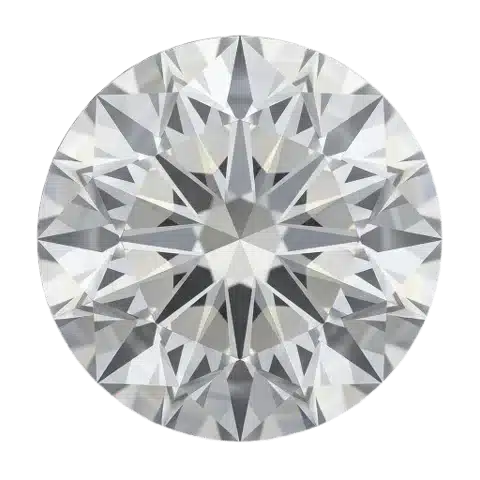
 Loose lab-grown diamonds10 shapes · IGI, GIA or NGTC reports
Lab-Grown Diamond Jewelry OEM: How the Sampling Process Works
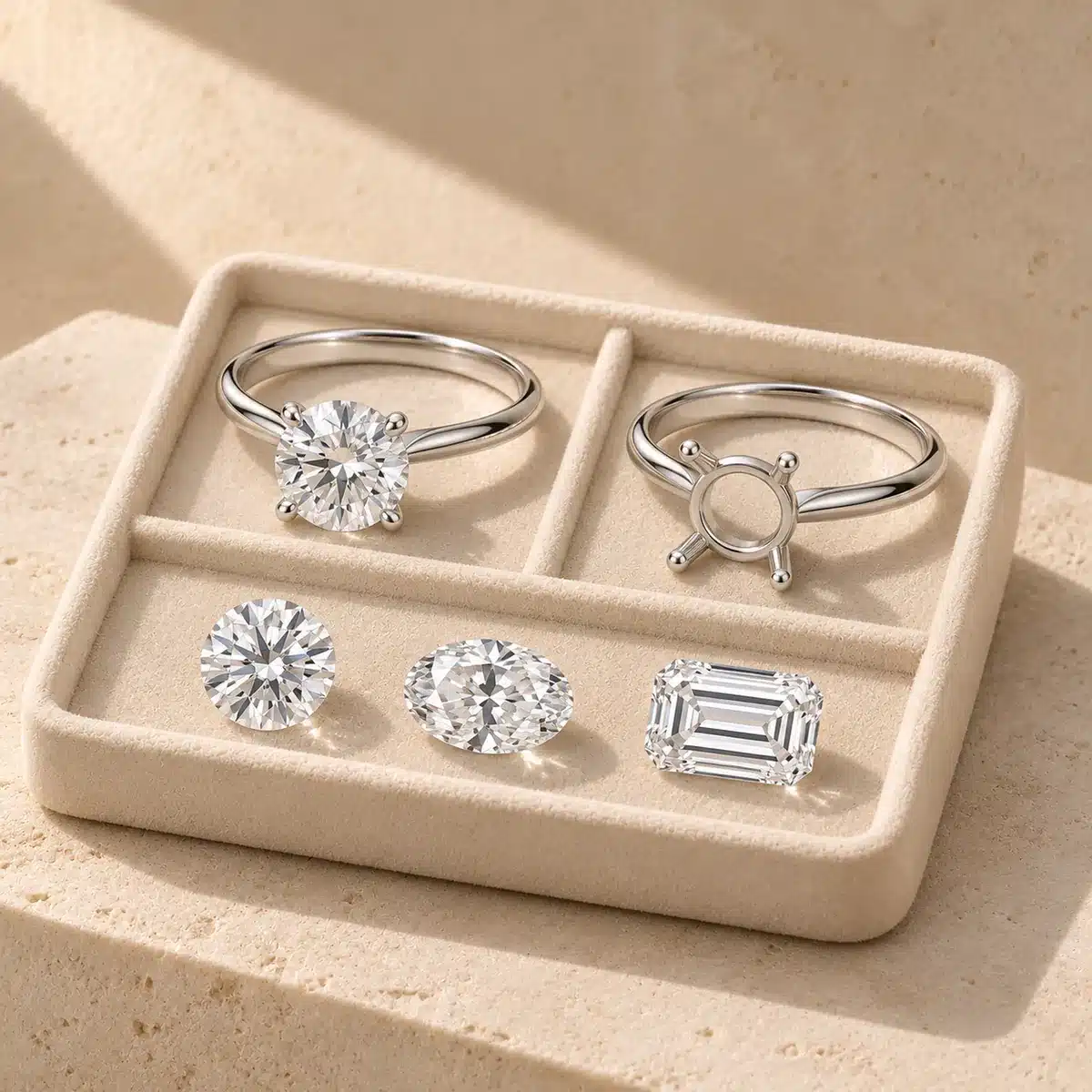
A brand approves an earring sample from photos. When 300 pairs arrive, the posts are 0.1 mm thinner than the brand’s existing line, the backs are a different style, and the 14K stamp is on the opposite side. Each detail was visible in the sample, but nobody had written down what the sample had to be measured against, so the photos were approved and the details were not.
OEM sampling turns your design into an approved physical sample that production must match. A clear process runs: brief and tech pack, quotation, CAD, CAD approval, sample production, sample review, revisions, a signed-off “golden sample,” then production checked against that sample. The more precisely you define stones, metal, finish and tolerances at the start, the fewer rounds of samples you need.
The sampling process step by step
- BriefYou share designs, references, target market and quantitiesWhat you provide or approve: Sketches, photos, target specs
- Tech packSpecifications are written downWhat you provide or approve: Stones, metal, dimensions, finish, stamping
- QuotationManufacturer quotes sample and productionWhat you provide or approve: Review cost breakdown
- CAD3D model with dimensionsWhat you provide or approve: Approve or request changes
- SampleModel, casting, setting, finishingWhat you provide or approve: Nothing yet; wait for photos and measurements
- ReviewPhotos, video and/or physical sampleWhat you provide or approve: Measure, test, comment
- RevisionsChanges madeWhat you provide or approve: Approve revised sample
- Golden sampleFinal approved reference, kept by both sidesWhat you provide or approve: Sign-off
- Pre-productionMaterials and stones preparedWhat you provide or approve: Confirm parcels
- Production and inspectionPieces checked against the golden sampleWhat you provide or approve: Inspection report
What a good tech pack includes
- Design: drawings or CAD references with dimensions.
- Stones: shape, size (mm), color and clarity range, origin (lab-grown), growth method or treatment requirements, setting style.
- Center stones: report lab (IGI, GIA or NGTC) and grade requirements.
- Metal: type, karat, color, plating (for example rhodium), target weight. For white gold sold in the EU, the alloy must meet the REACH nickel release limit of 0.5 µg/cm² per week for pieces in prolonged skin contact and 0.2 µg/cm² per week for piercing posts.
- Finish: polish, matte, milgrain, engraving.
- Findings: clasps, posts, backs, chain type and length.
- Stamping: karat mark, your brand mark, any other marks. Under the US FTC Guides a karat mark must be accurate within 3 parts per thousand for gold without solder and 7 parts per thousand for items with solder; brands selling in the UK also need to follow hallmarking law.
- Sizes: ring sizes, bracelet and chain lengths.
- Packaging and labeling: if part of the order. See private label packaging.
- Tolerances: for weight, dimensions, stone sizes and color.
CAD approval
Check the CAD from all angles and at actual size. Confirm stone sizes fit the seats, prong and band thickness, gallery height and how the piece sits on the body. Changes are cheapest at this stage.
Reviewing the sample
Review the physical sample, not only photos, and measure it against the tech pack. Photograph it under consistent lighting for your records.
Any difference you accept at this stage becomes the standard for production, so note it on the sign-off rather than leaving it to memory.
The golden sample
The approved sample becomes the reference for production. Both sides should keep a matching sample or detailed photos and measurements, signed off with the date.
Production checks against the golden sample
Agree what will be inspected and how: stone security, matching, metal weight range, dimensions, finish and stamps. Ask for an inspection report and photos before shipment. See quality check guide.
What to agree in writing
- Sample cost and whether it is credited against production.
- Number of CAD and sample revisions included.
- Ownership and confidentiality of your designs.
- Golden sample sign-off.
- Inspection standard and tolerances.
- Payment, shipping and documentation terms.
Common sampling mistakes
- Vague stone specs (“good quality”).
- No target metal weight.
- Approving photos without measurements.
- Changing the design after sample approval without re-sampling.
Timeline planning
Sampling often takes longer than buyers expect because each round includes CAD, casting, setting and finishing. Plan sampling well before your launch date, and confirm the schedule per project.
OEM sampling questions
What is a golden sample?
The final approved sample that production must match.
How many sample rounds are normal?
It depends on how complete the tech pack is. Clear specs reduce rounds.
Can I use my own designs?
Yes. Agree confidentiality and design ownership in writing.
Do samples include certified stones?
They can. State report requirements in the tech pack.
Send a tech pack, even a rough one
Send your designs with as much of the tech pack above as you have, and mark which items are fixed and which are open. Ask how many CAD and sample rounds the quote includes and how the golden sample will be kept. NUVU signs an NDA before you share designs, and handles OEM and private label lab-grown diamond jewelry from CAD and samples (a new-design sample takes 10–15 business days) to logo, labels, barcodes, jewelry boxes and outer packing, and can arrange IGI, GIA or NGTC reports for center stones. See private label and OEM, send your requirements or WhatsApp / WeChat +86 191 1840 3930.
Sources

11+ years supporting global clients with lab-grown diamond product consultation and market analysis.
About NUVU. NUVU is the international brand of New Perspective Superhard Materials Co., Ltd. in Zhecheng, Henan, China. We grow HPHT lab-grown diamonds in-house and cut, polish and match stones in our own workshop.
Related Guides
Custom Jewelry Process | CAD to Quality Check
How a custom lab-grown diamond piece is made: brief, stone selection, CAD approval, casting and setting,…
Read more →B2BLab-Grown Diamond Supplier: Samples & First Orders
How sample orders and first orders work with a China lab-grown diamond supplier: common payment methods,…
Read more →NUVULab-Grown Diamond Wholesale Program for Repeat Orders
Join NUVU's lab-grown diamond wholesale program: approved spec records, sample retention, faster reorders…
Read more →