
Design Your Own Lab-Grown Diamond Ring
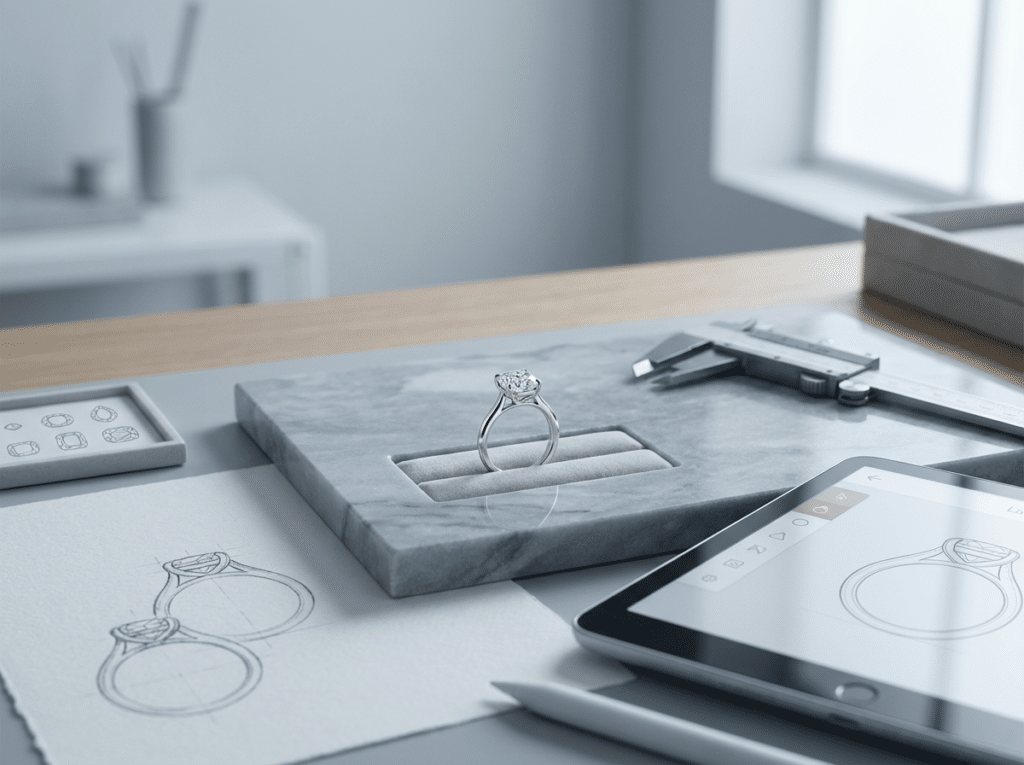
Design your own lab-grown diamond ring by starting with the decisions that will affect the final piece: diamond shape and size direction, metal and karat, setting style, ring size, budget, and intended use. You do not need every measurement before the first conversation. A reference image, a preferred shape, or a general style direction is enough to begin a qualified design brief.
A custom ring is easier to review when the visual idea is separated from the specifications that control price, feasibility, and approval. NUVU can help organize the center stone direction, setting structure, metal tone, side-stone details, profile, engraving, and packaging requirements before the project moves forward.
The applicable stone option, report preference, metal specification, CAD or development scope, sample requirement, timing basis, QC materials, and delivery terms are confirmed for the actual project. This page explains what to prepare and what to approve; it does not publish one fixed price, one universal lead time, or one automatic revision policy.
NUVU does not claim that every operation is completed by one legal entity or workshop. Specialized production resources or supporting partners may be involved, while NUVU focuses on the confirmed specification, coordination, review, and order consistency.
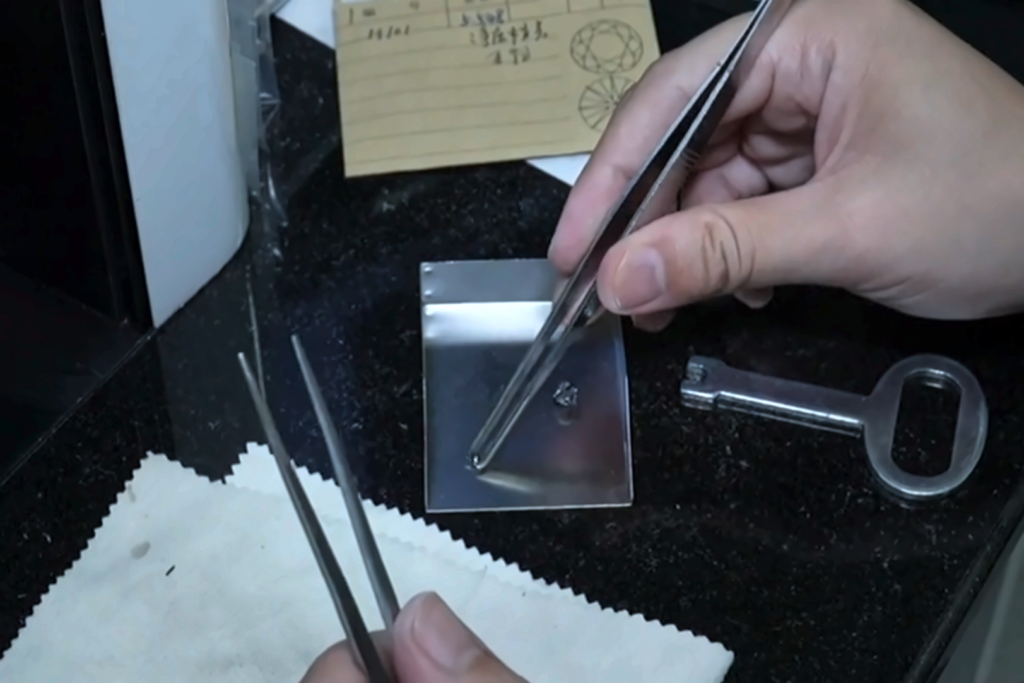
Start With a Ring Design Brief
Start with the purpose of the ring: engagement, anniversary, gift, personal fine jewelry, or a design reference for a future project. Then collect the details already known, such as a center-stone shape, approximate carat or measurements, color and clarity direction, preferred metal, ring size, setting, side stones, engraving, budget range, destination country, and target date.
Use the lab-grown diamond ring setting styles guide when the setting is undecided, and browse the custom lab-grown diamond jewelry gallery for visual references. The goal is a concise project brief that can be checked before a written quote.
Choose the Center Stone Shape
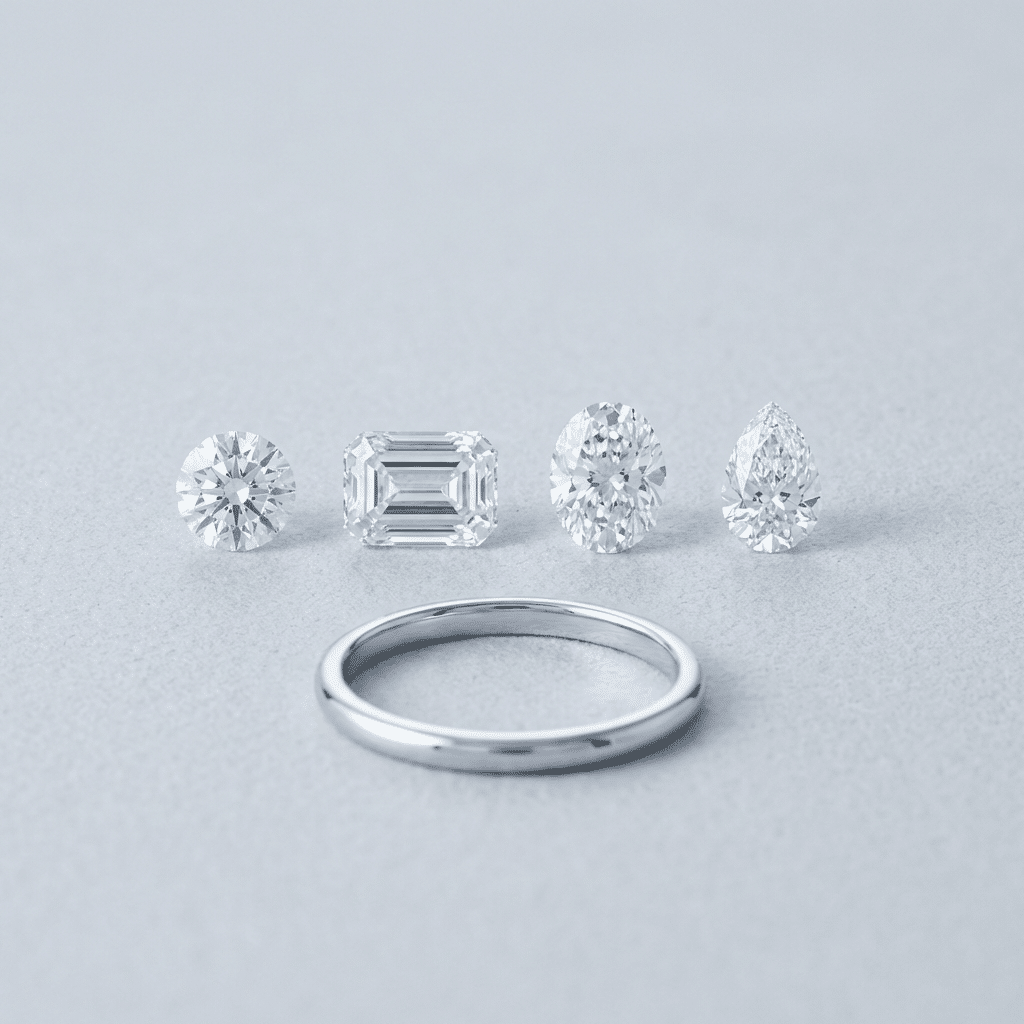
The outline of the center stone establishes the first visual read, but shape alone is not a complete specification. Include the approximate carat or measurements, color and clarity range, cut or visual preference where relevant, quantity of side stones, and whether an independent grading report is needed. Round, oval, cushion, emerald, pear, princess, radiant, marquise, Asscher, and heart shapes can lead to different proportions and setting requirements.
For a deeper review of color, clarity, cut, carat and measurements, see the lab-grown diamond 4Cs guide. If you need report-number and laboratory guidance, use the lab-grown diamond certification guide.
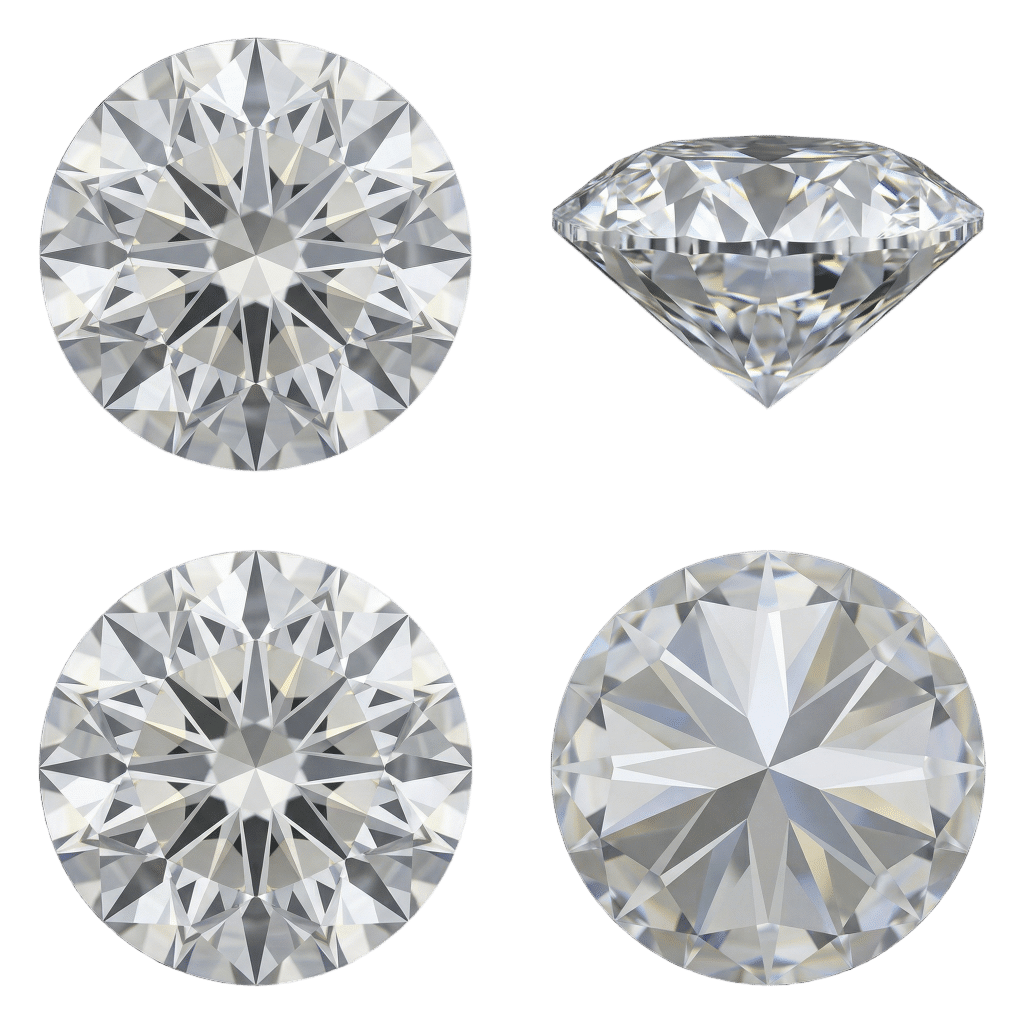
Round
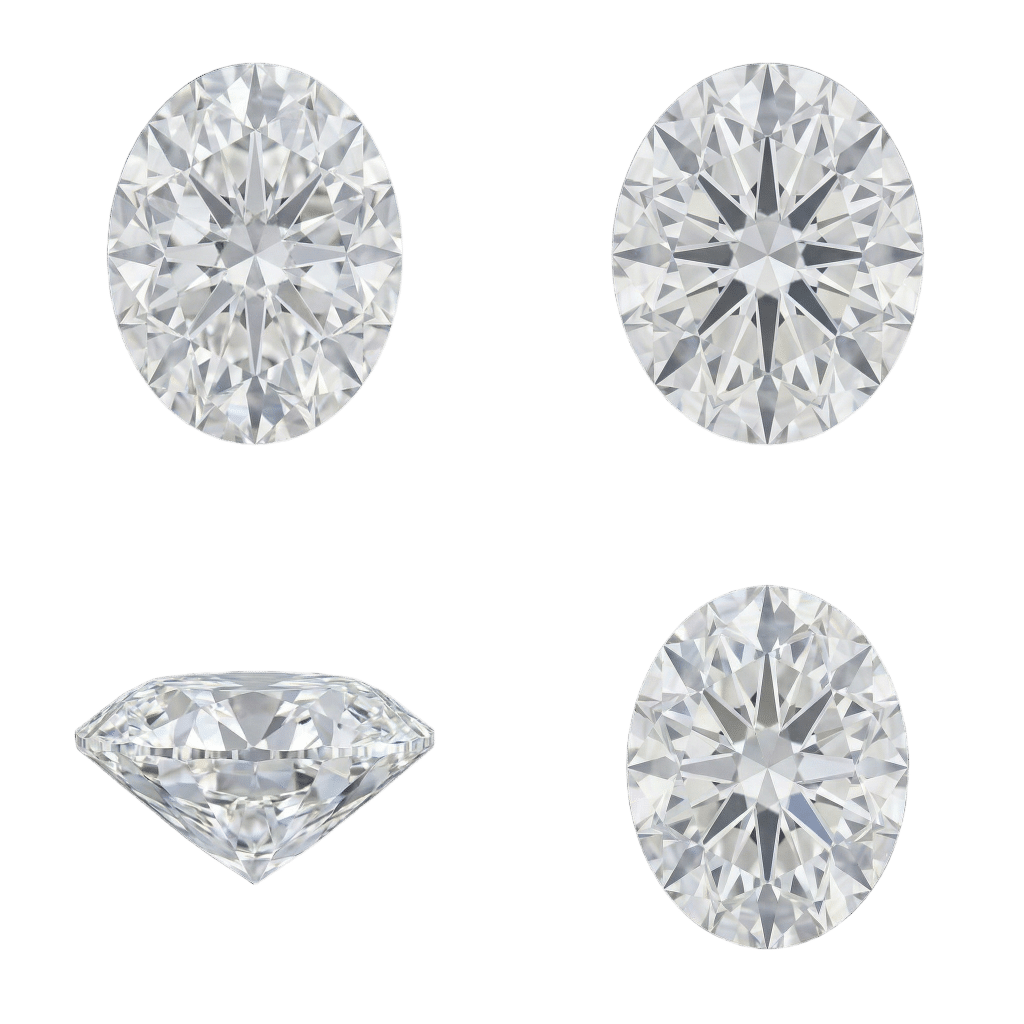
Oval
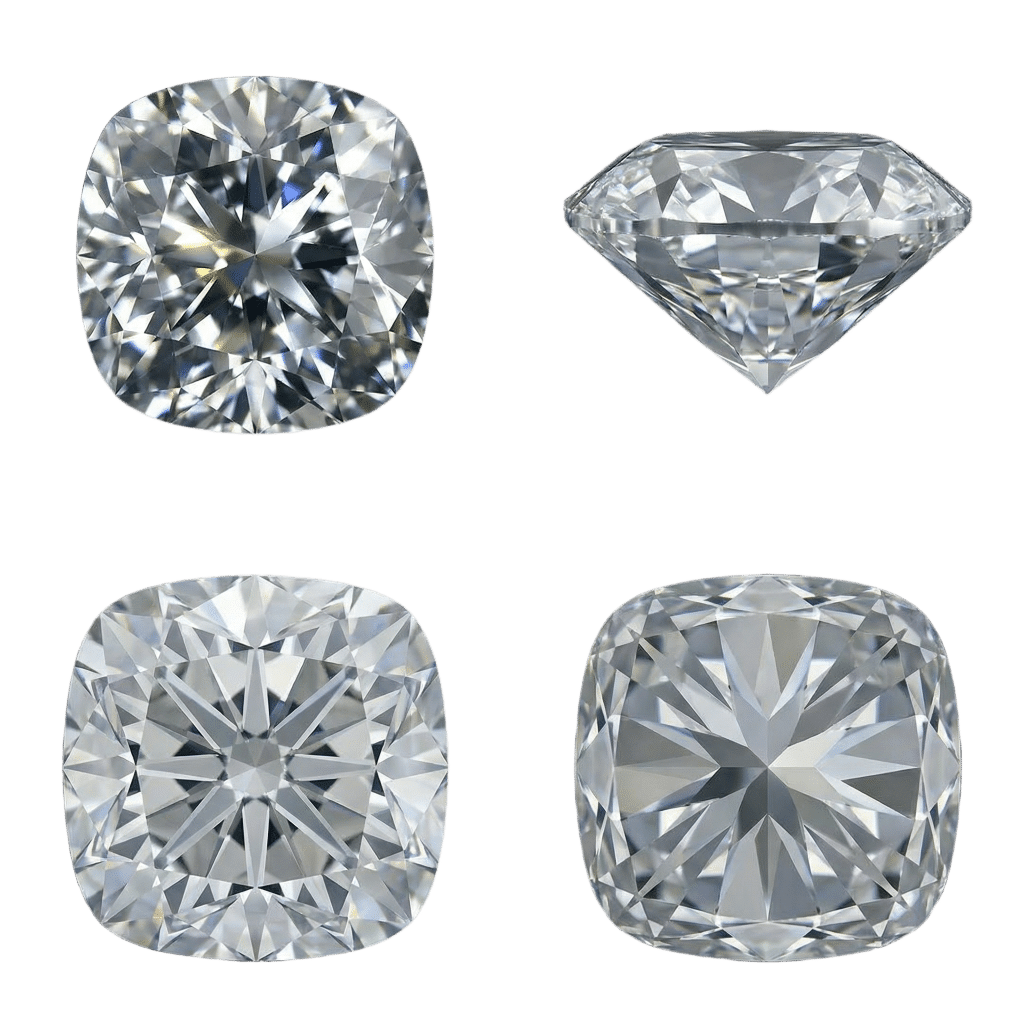
Cushion
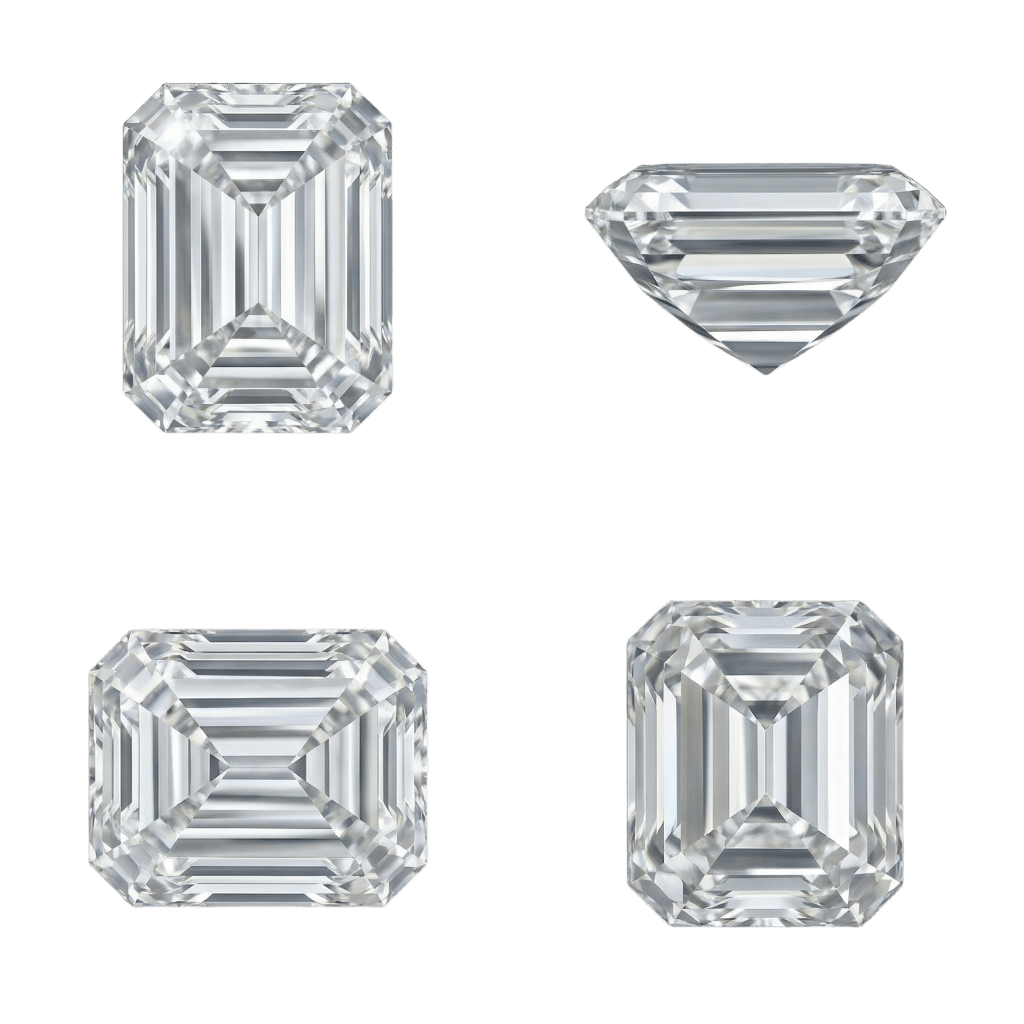
Emerald
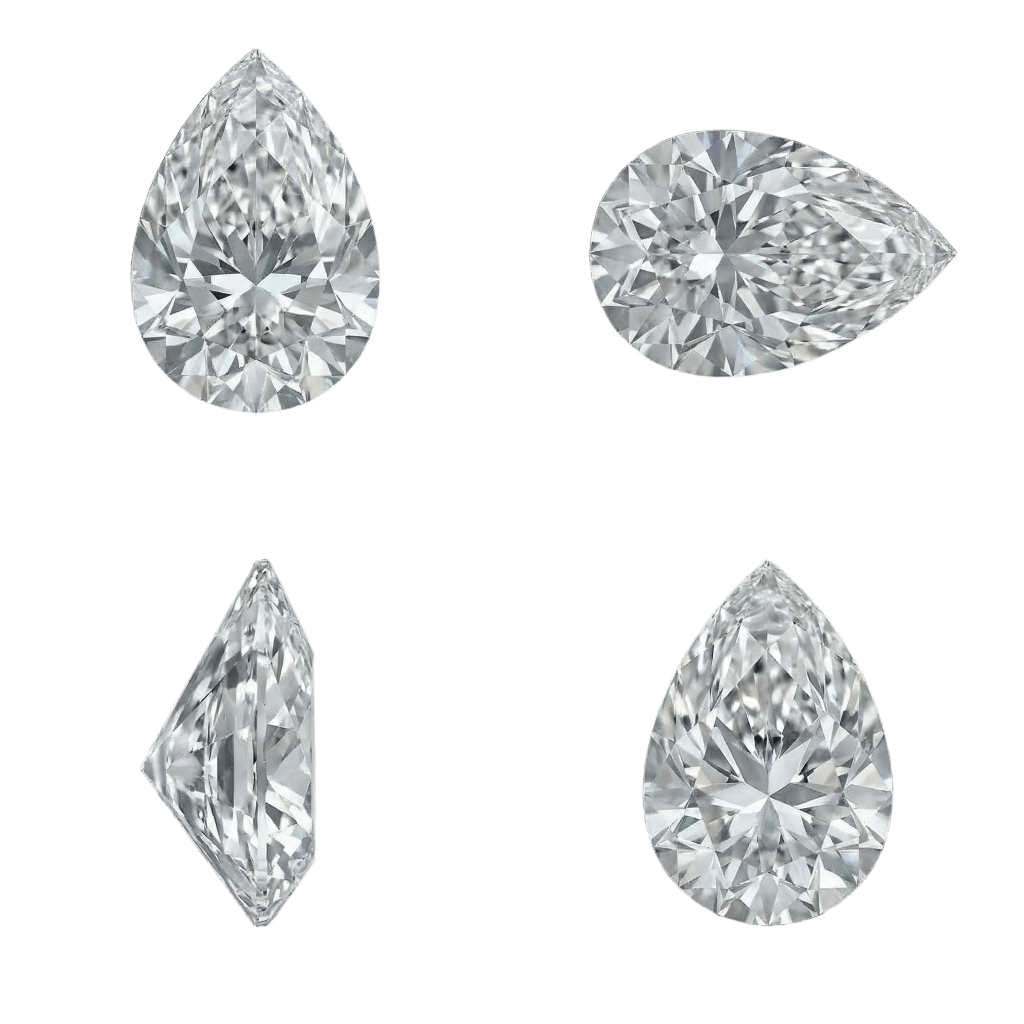
Pear
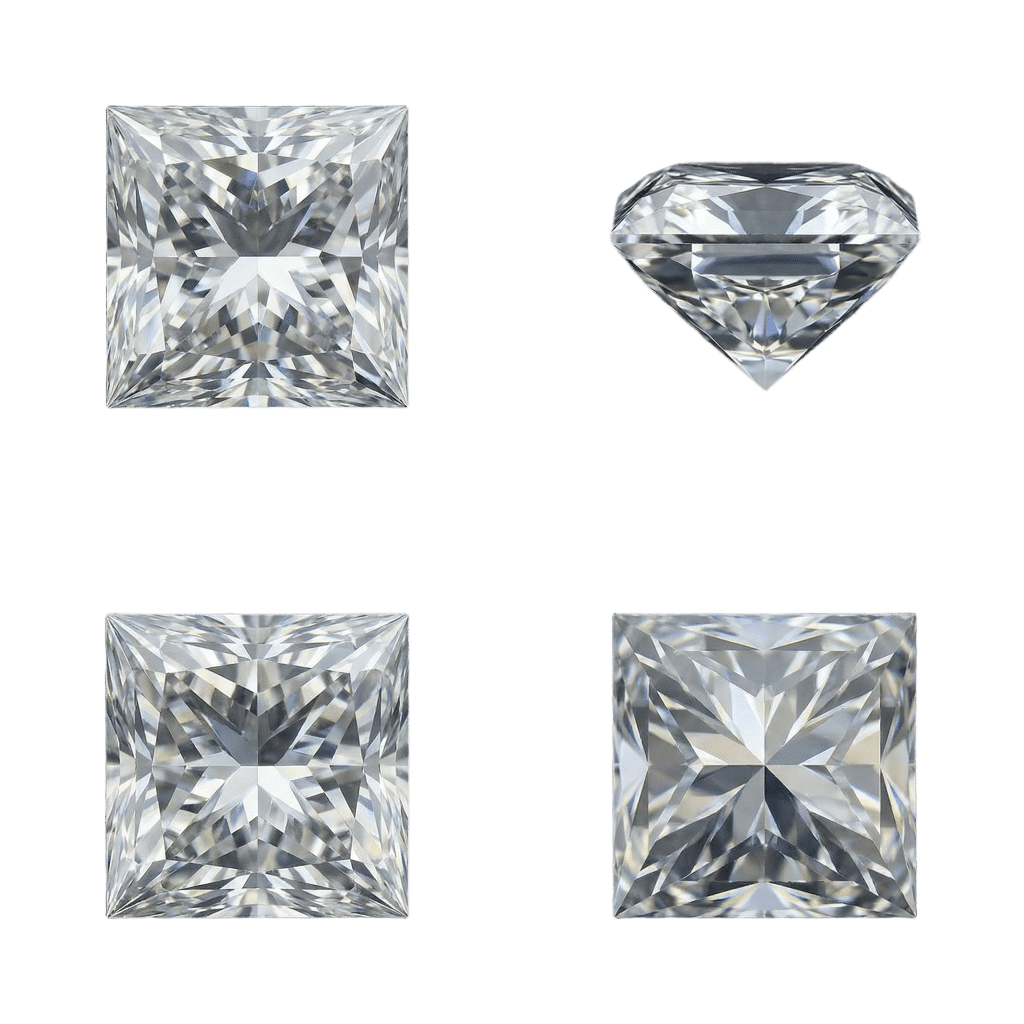
Princess
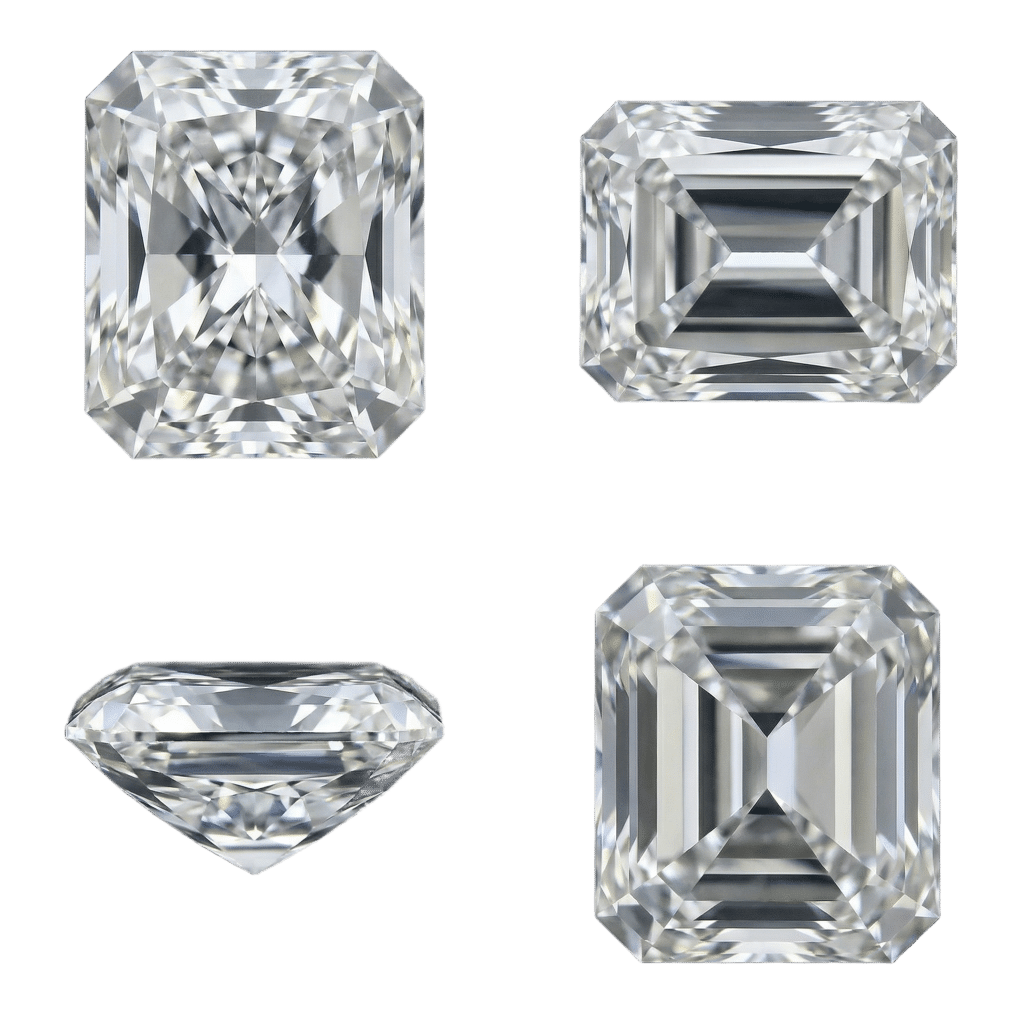
Radiant
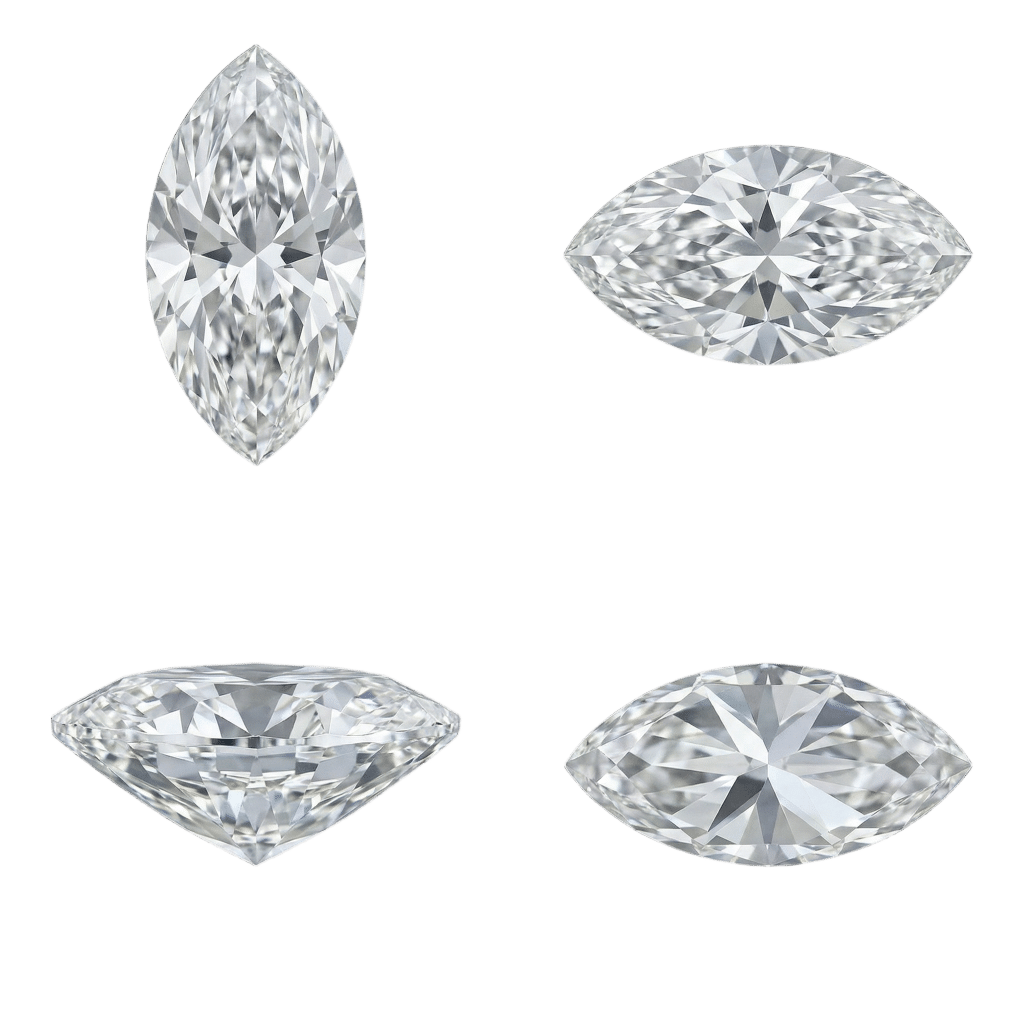
Marquise
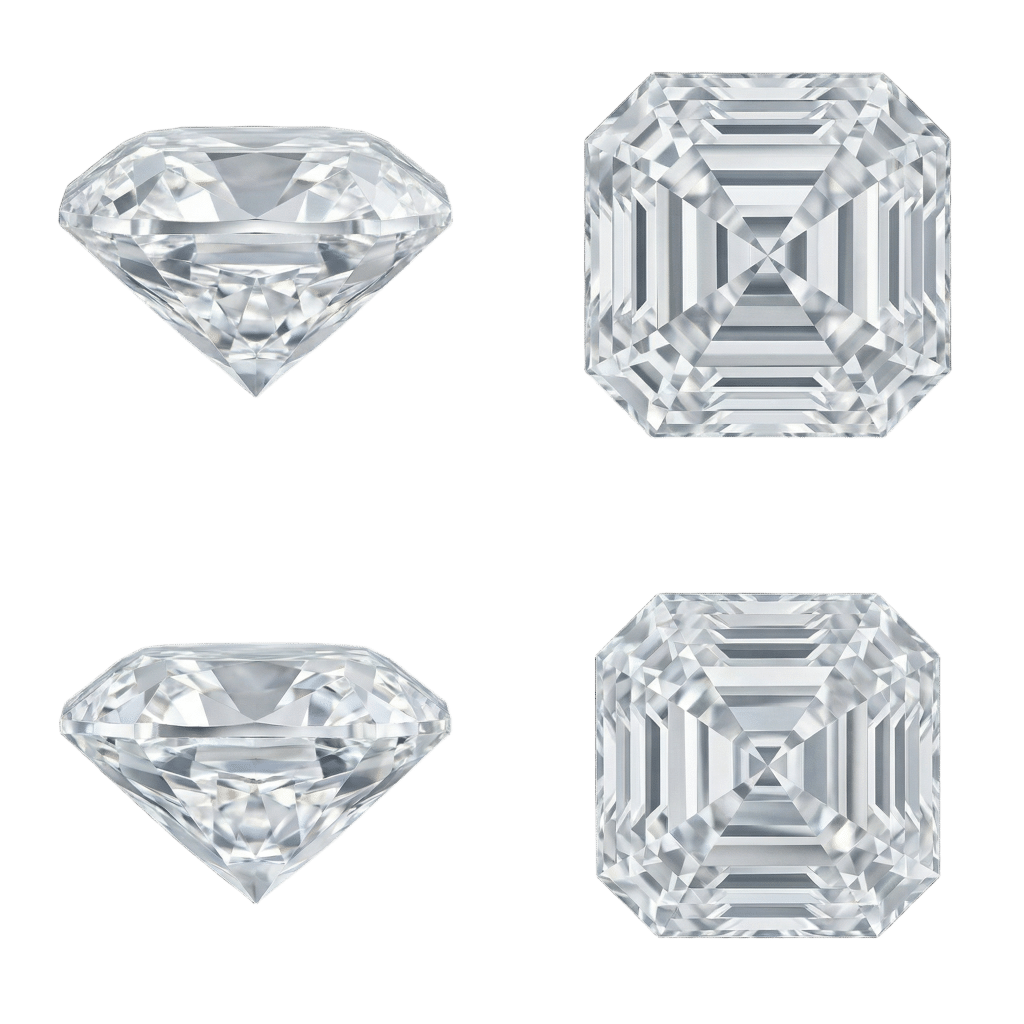
Asscher
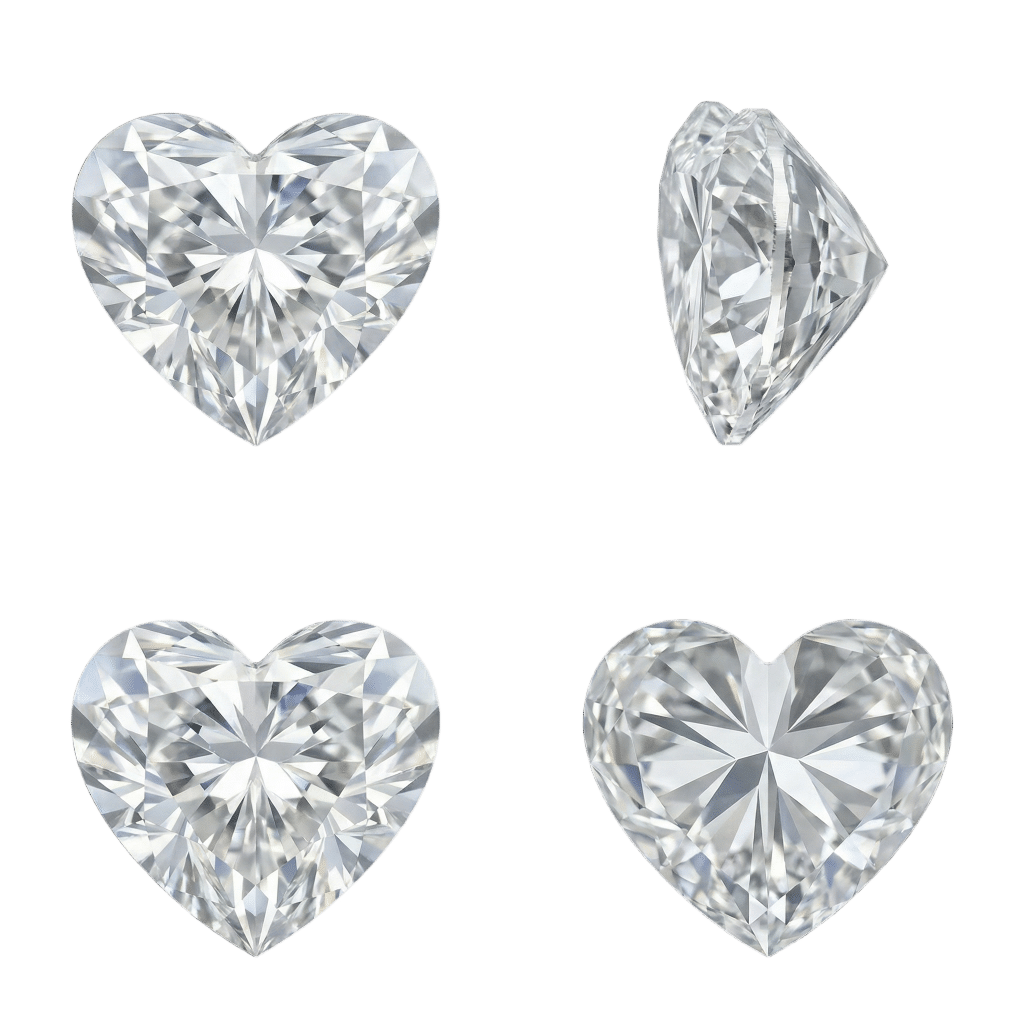
Heart
Choose a Ring Setting
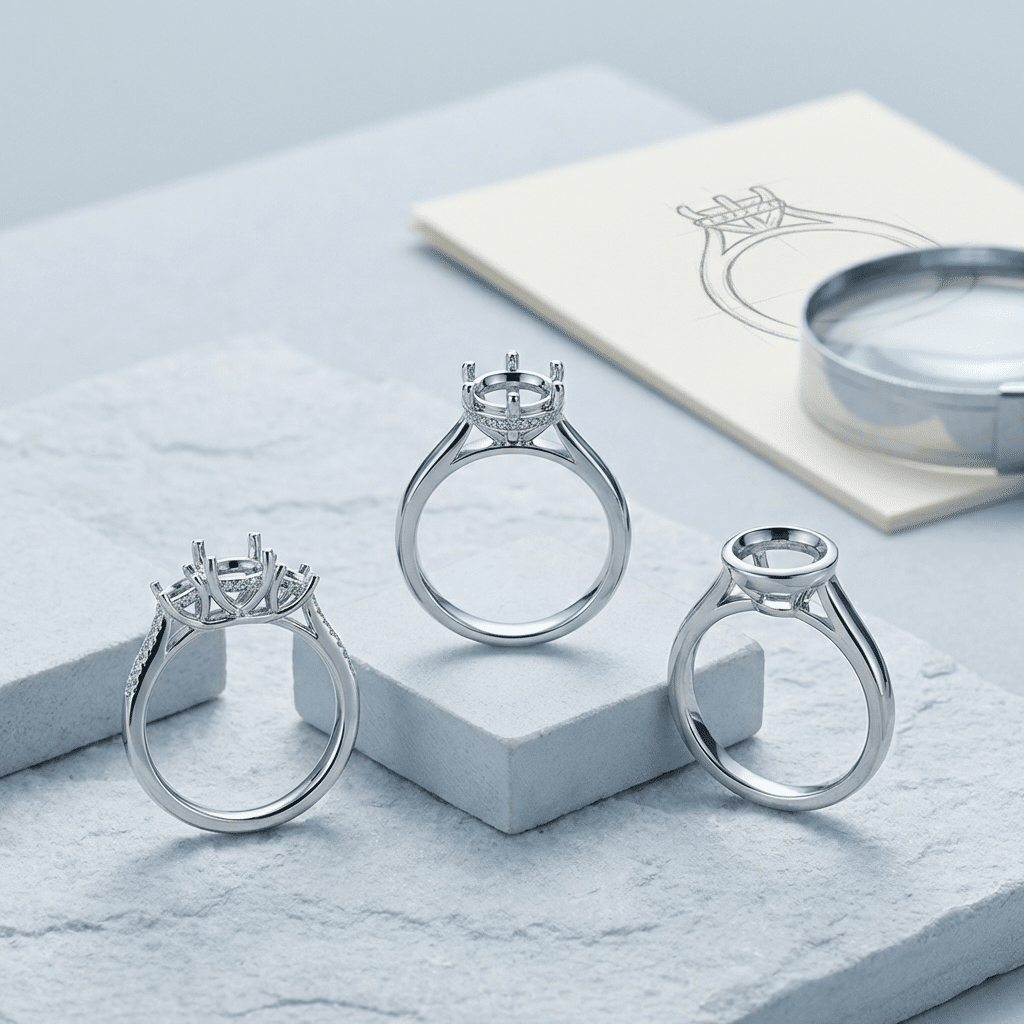
Setting choice changes how the center stone is framed, how much side detail is visible, and which dimensions need to be checked before approval. Solitaire, halo, hidden halo, three-stone, and vintage-inspired directions can all be discussed, but the same stone shape may require a different setting structure, profile, gallery, prong layout, or side-stone arrangement.
Before CAD begins, confirm the setting direction, band profile, visible height, side-stone plan, engraving area, and any reference design. A setting preference is a starting direction until the dimensions and stone fit are confirmed.
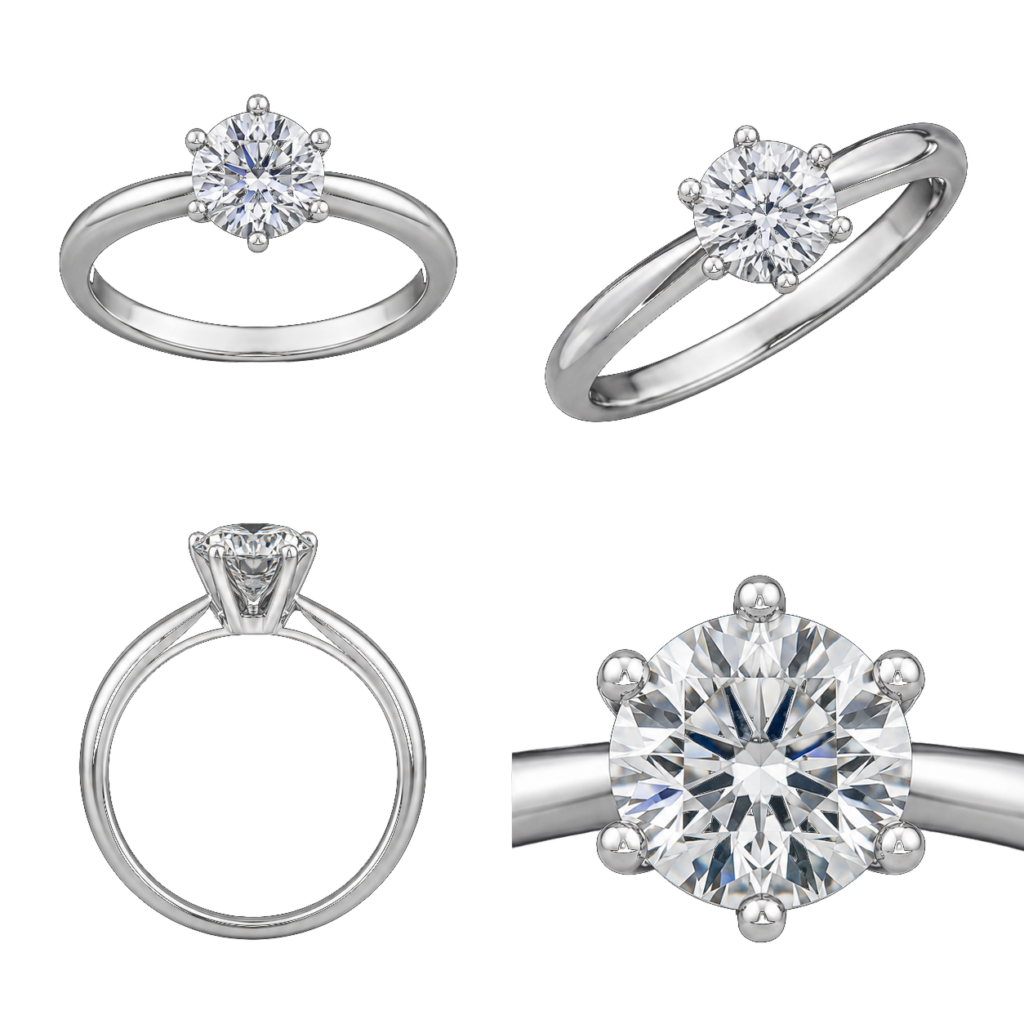
Solitaire
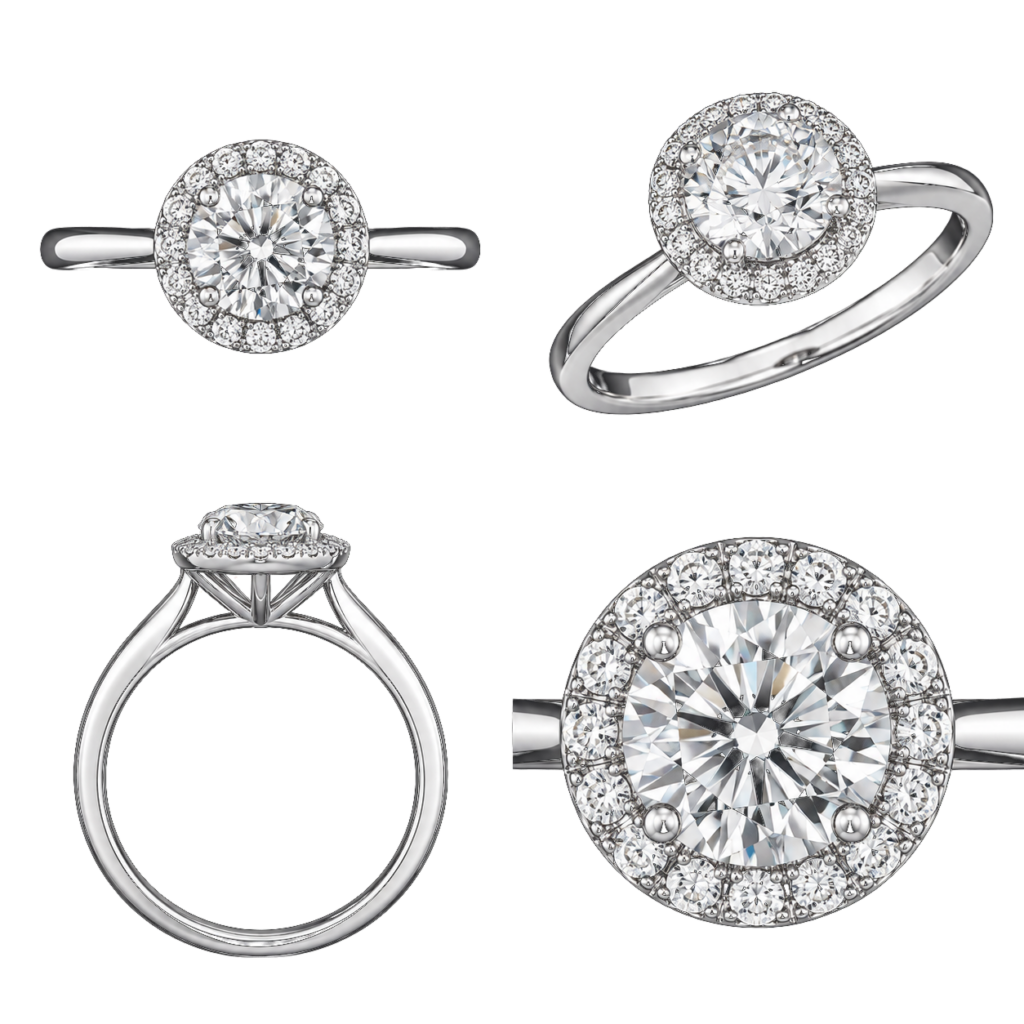
Halo
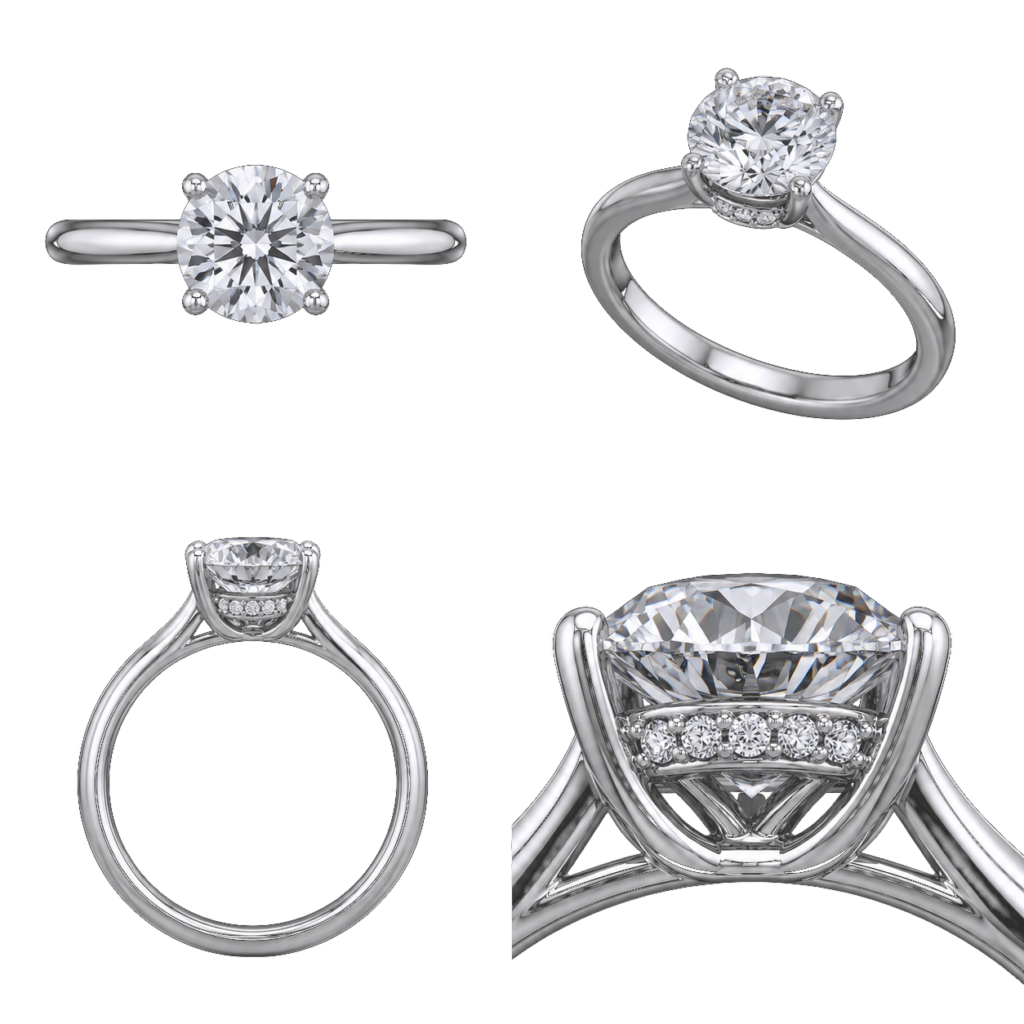
Hidden Halo
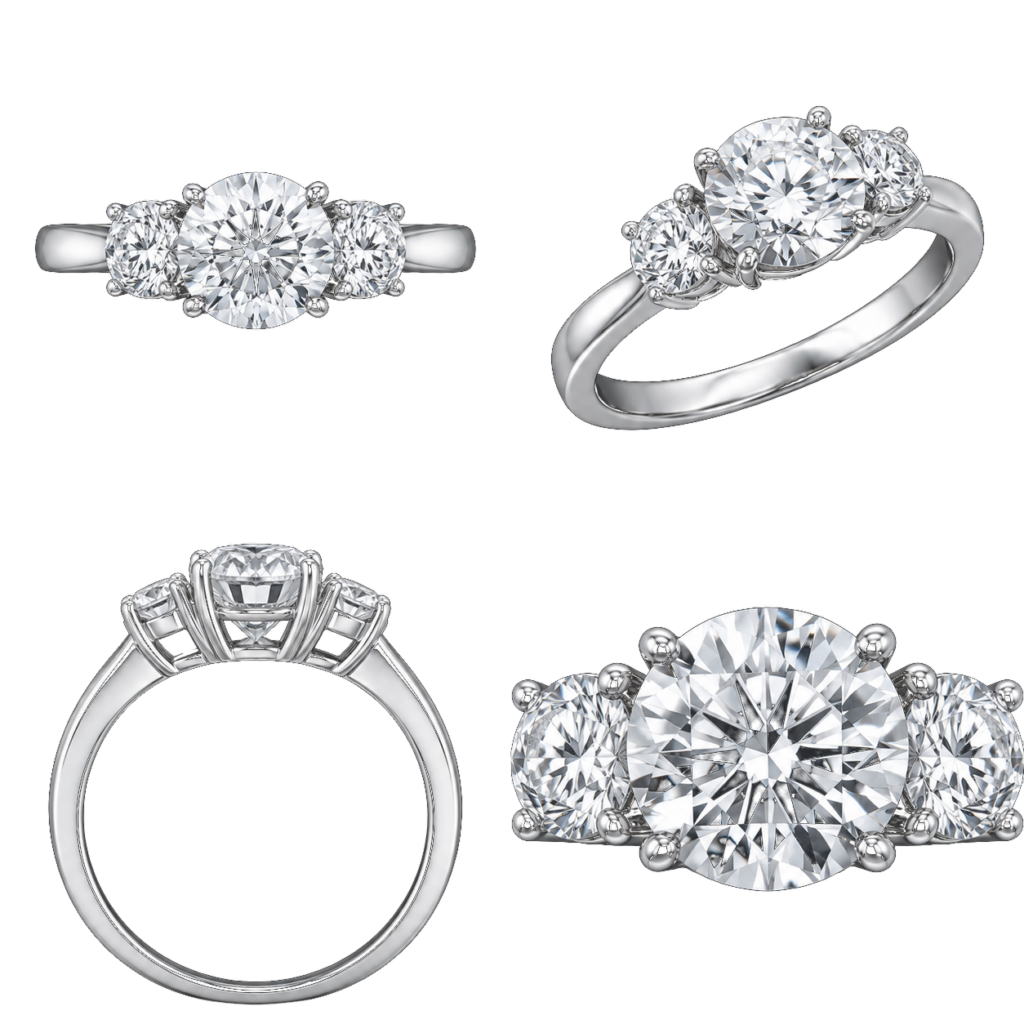
Three-Stone
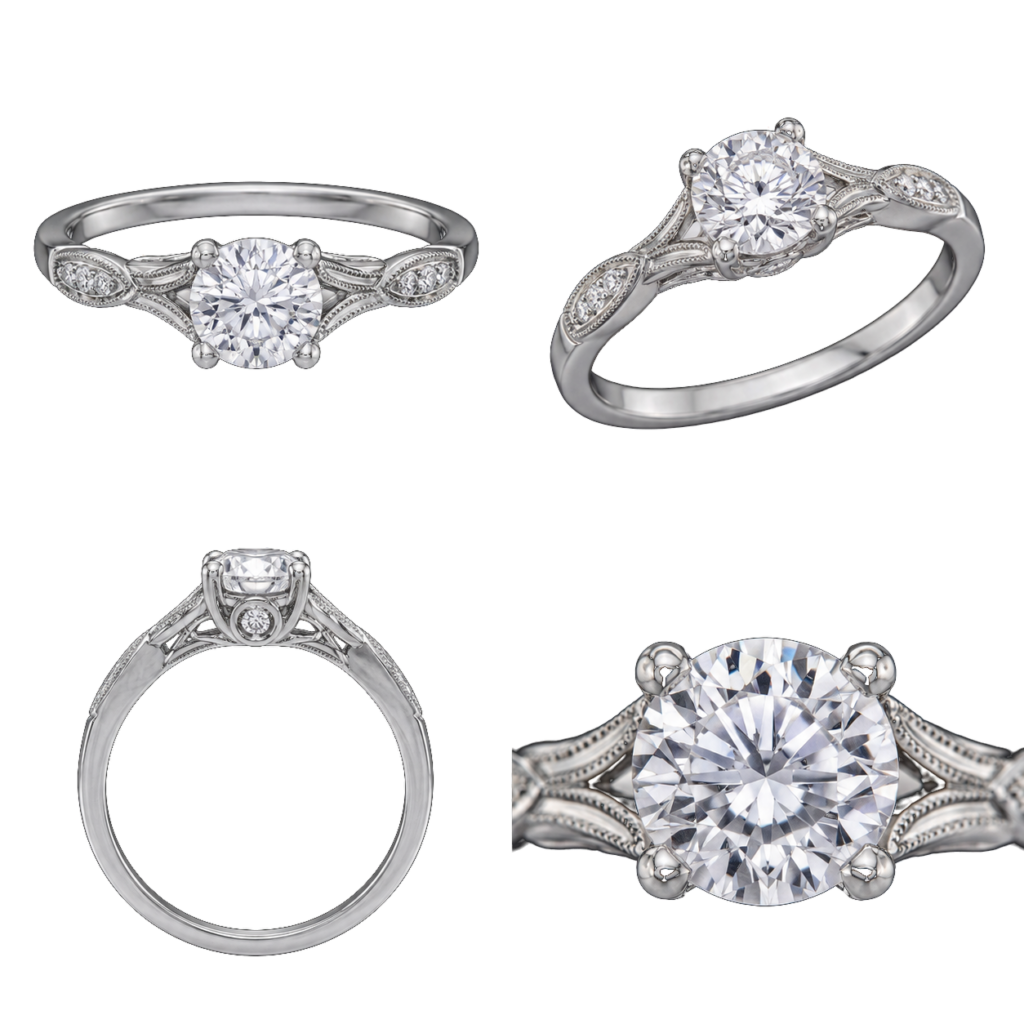
Vintage Inspired
Choose Your Metal and Karat
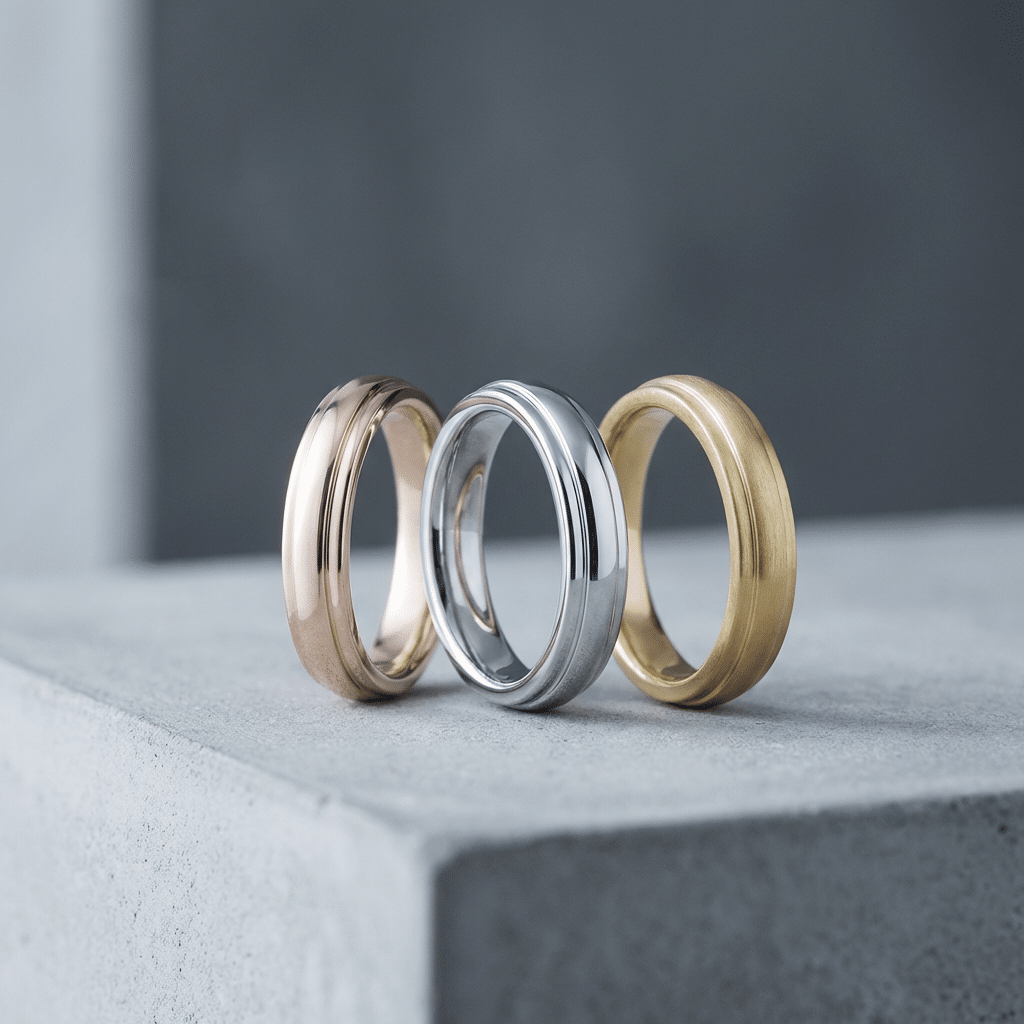
Choose the metal tone together with its karat or technical specification. White gold creates a bright, neutral frame and should be quoted with the applicable karat and alloy details. Yellow gold gives a warmer contrast against the stone, while rose gold adds a pinker tone that can change the balance between the center stone and the band. Platinum offers a naturally white metal direction, but its specification, weight, finish, and production details still need to be confirmed for the ring.
Metal choice also affects the band profile, prong appearance, finish, sizing, engraving, and the way a setting is reviewed. Tell NUVU your preferred color and karat, or state that you need help comparing options. The approved production specification should record the metal, karat or platinum basis, dimensions, finish, and ring size.
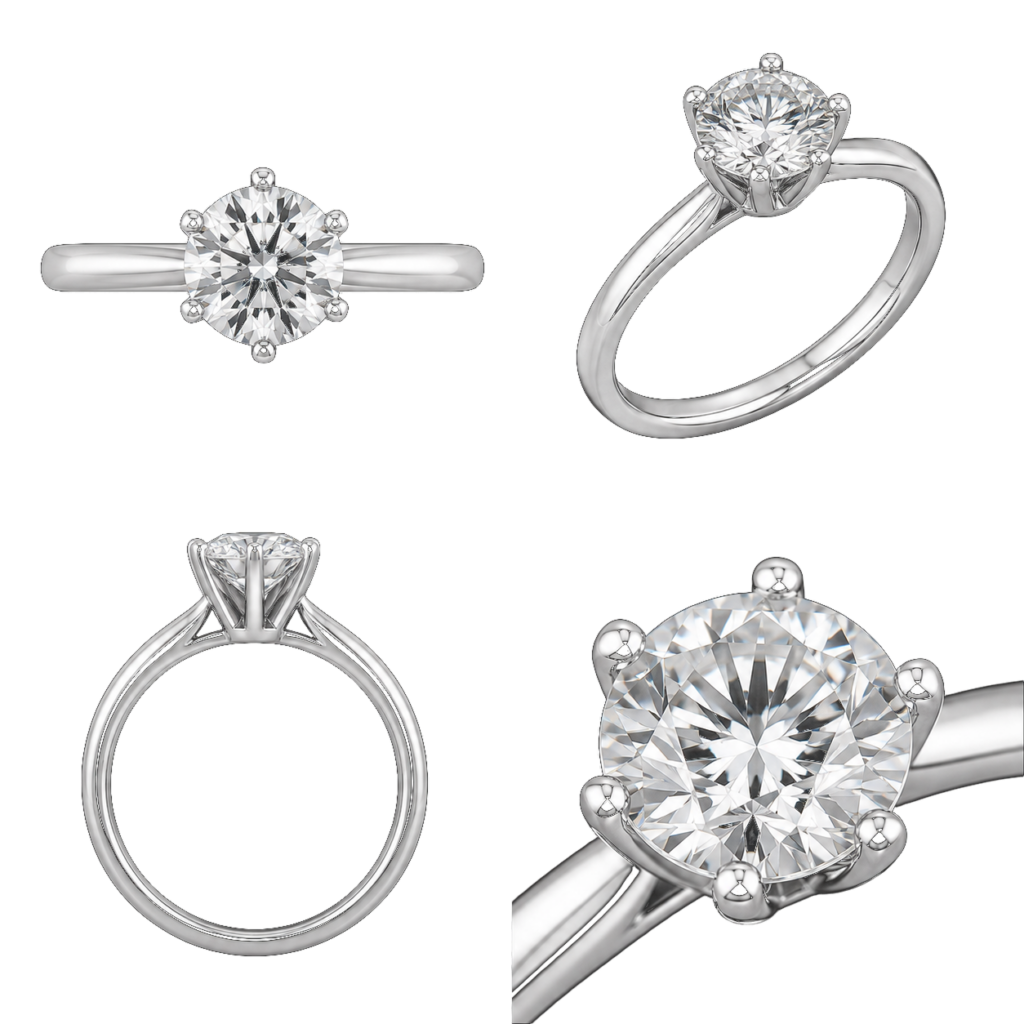
White Gold
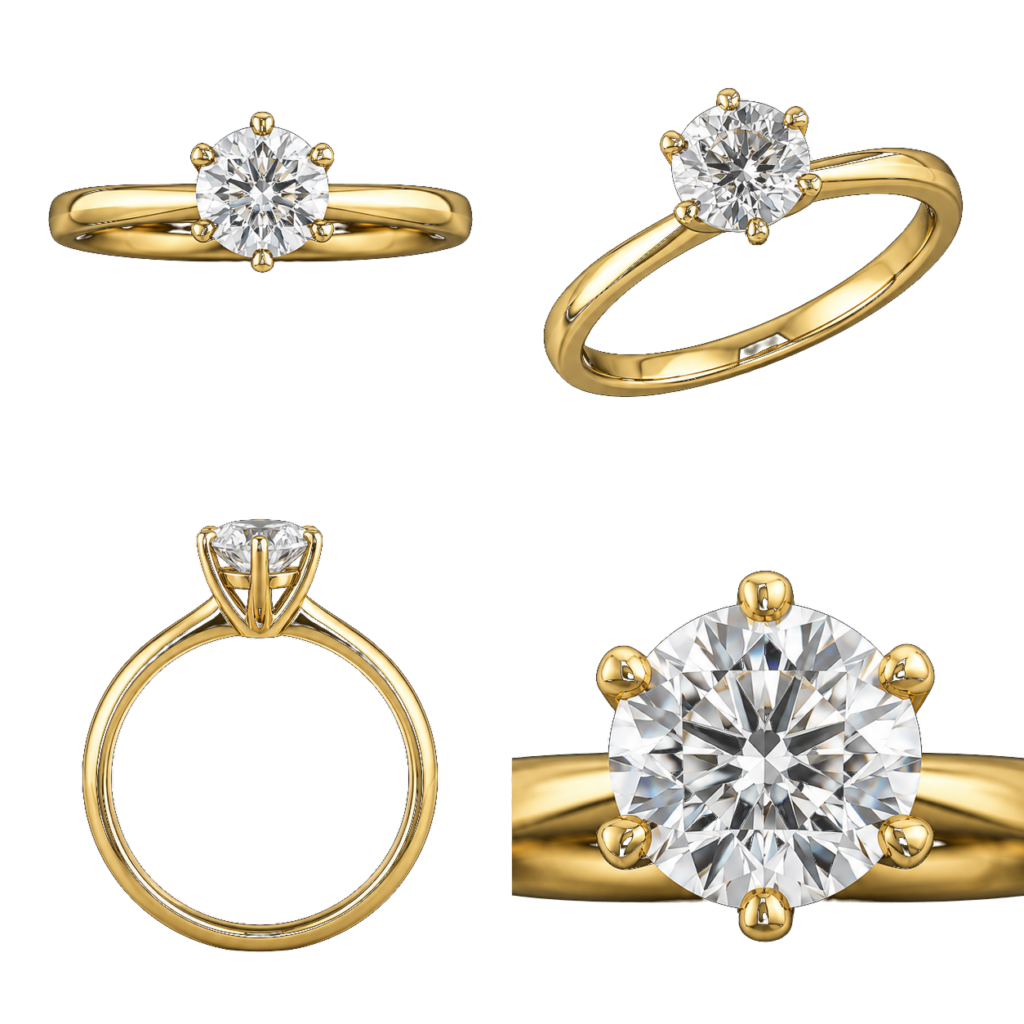
Yellow Gold
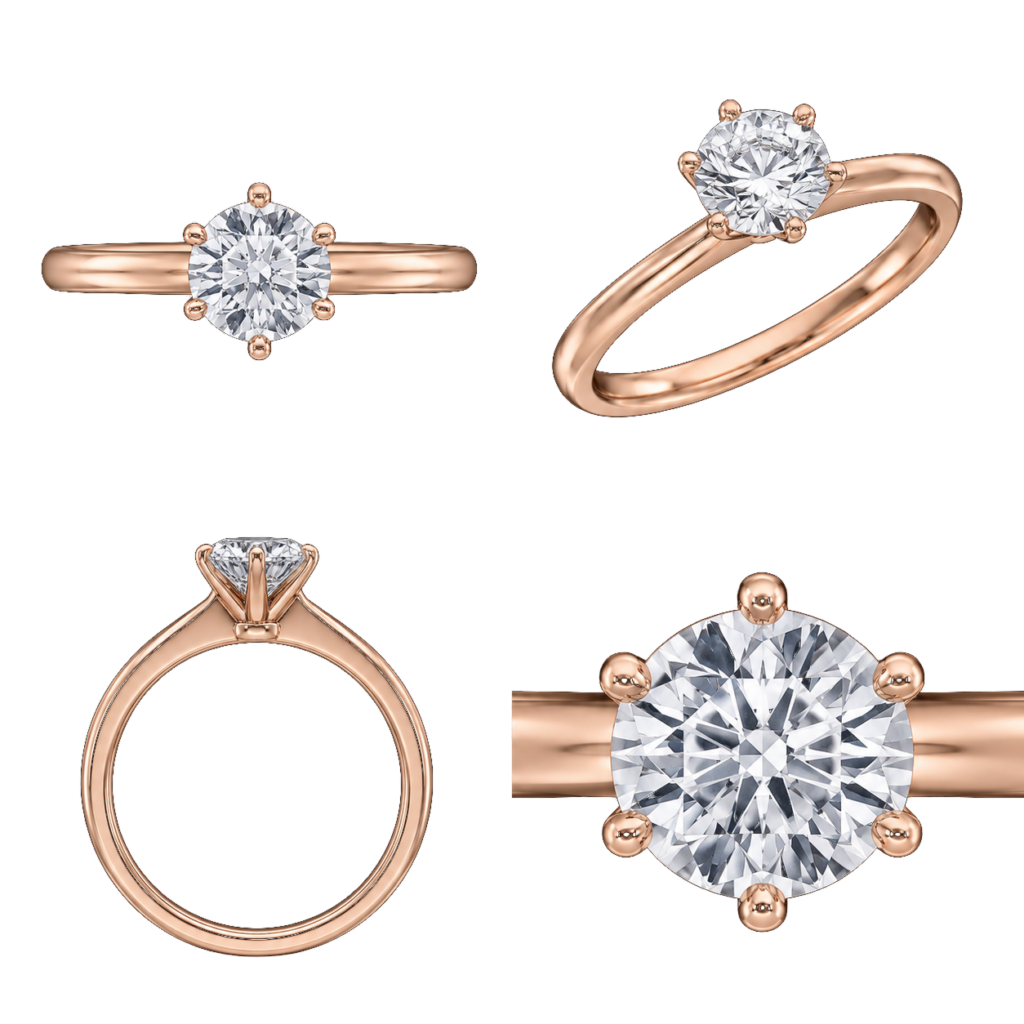
Rose Gold
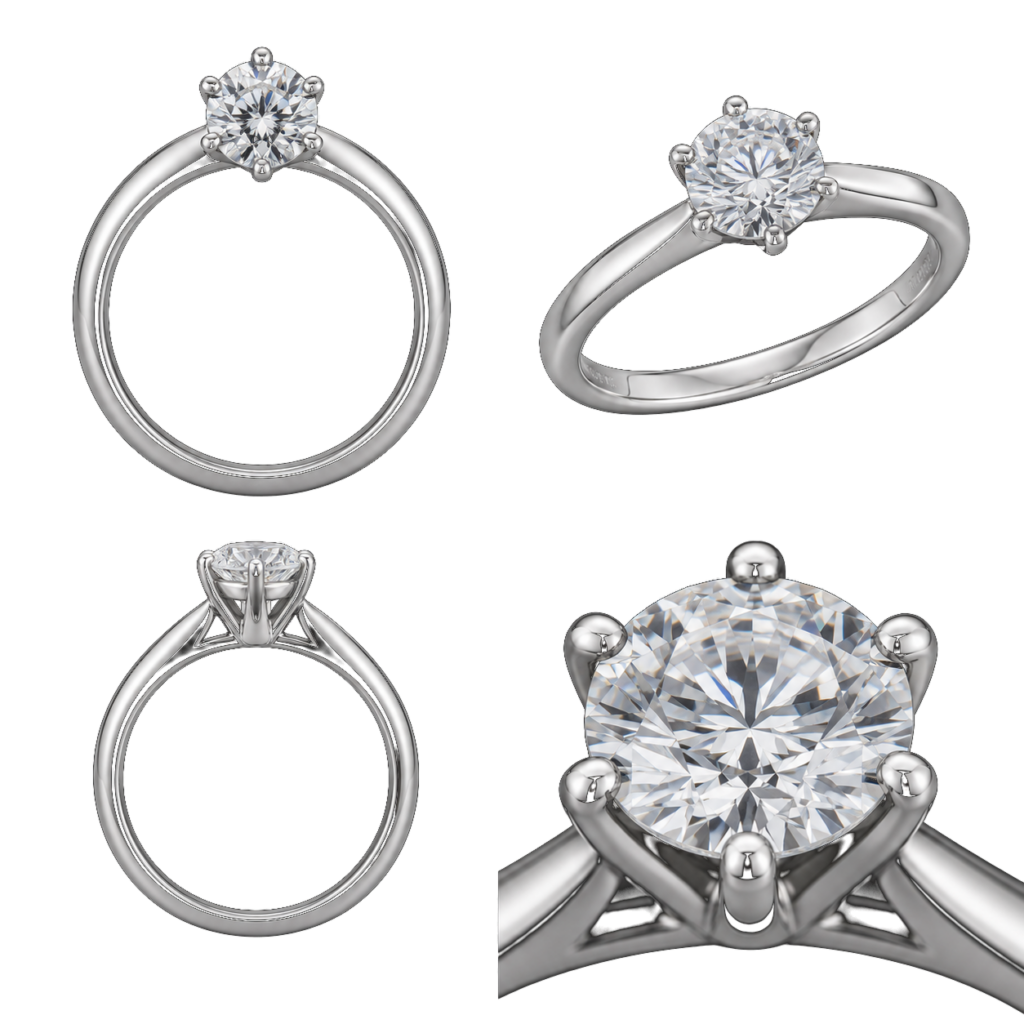
Platinum
Add the Details That Make the Ring Yours
Complete the brief with the details that make the ring personal and technically reviewable: ring size, band width, profile, center-stone measurements, side stones, engraving, finish, comfort preferences, packaging, intended use, target budget, destination country, and target date. If a measurement is unknown, say so rather than guessing; the missing item can be clarified before quotation or CAD.
A useful request also states whether the ring is for a one-off custom piece, a sample, or a repeat collection. For a retail project, include the intended wearer and sizing context. For a brand or jeweler, include the number of SKUs, quantity, branding, and packaging direction.
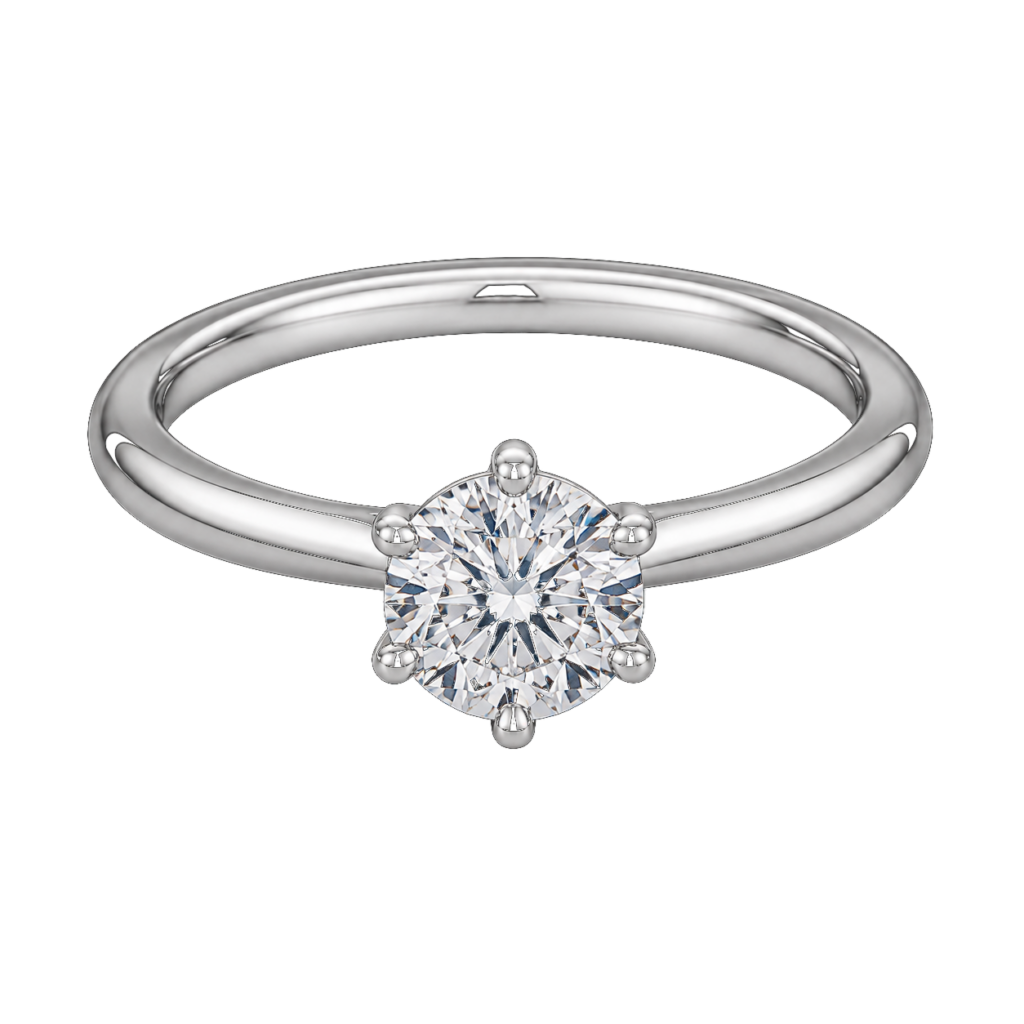
Classic and Timeless
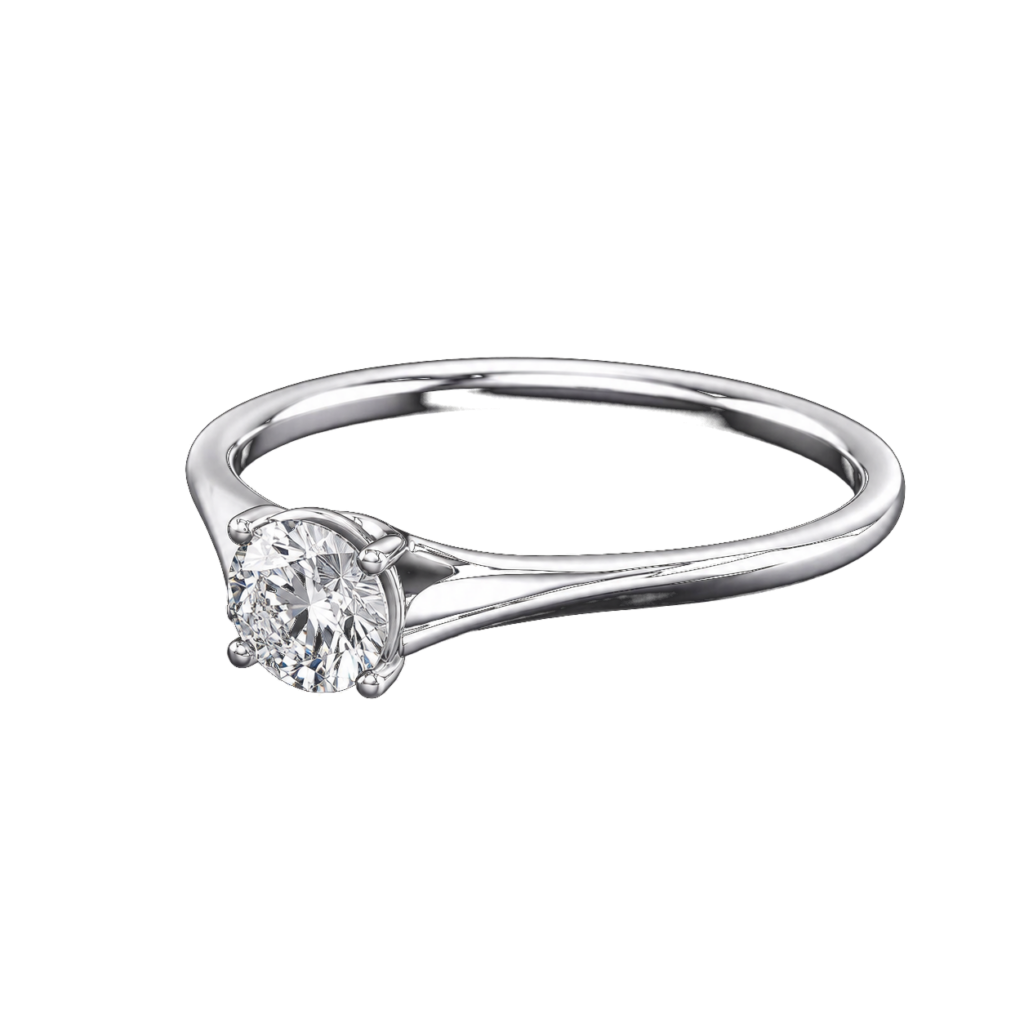
Modern and Minimal
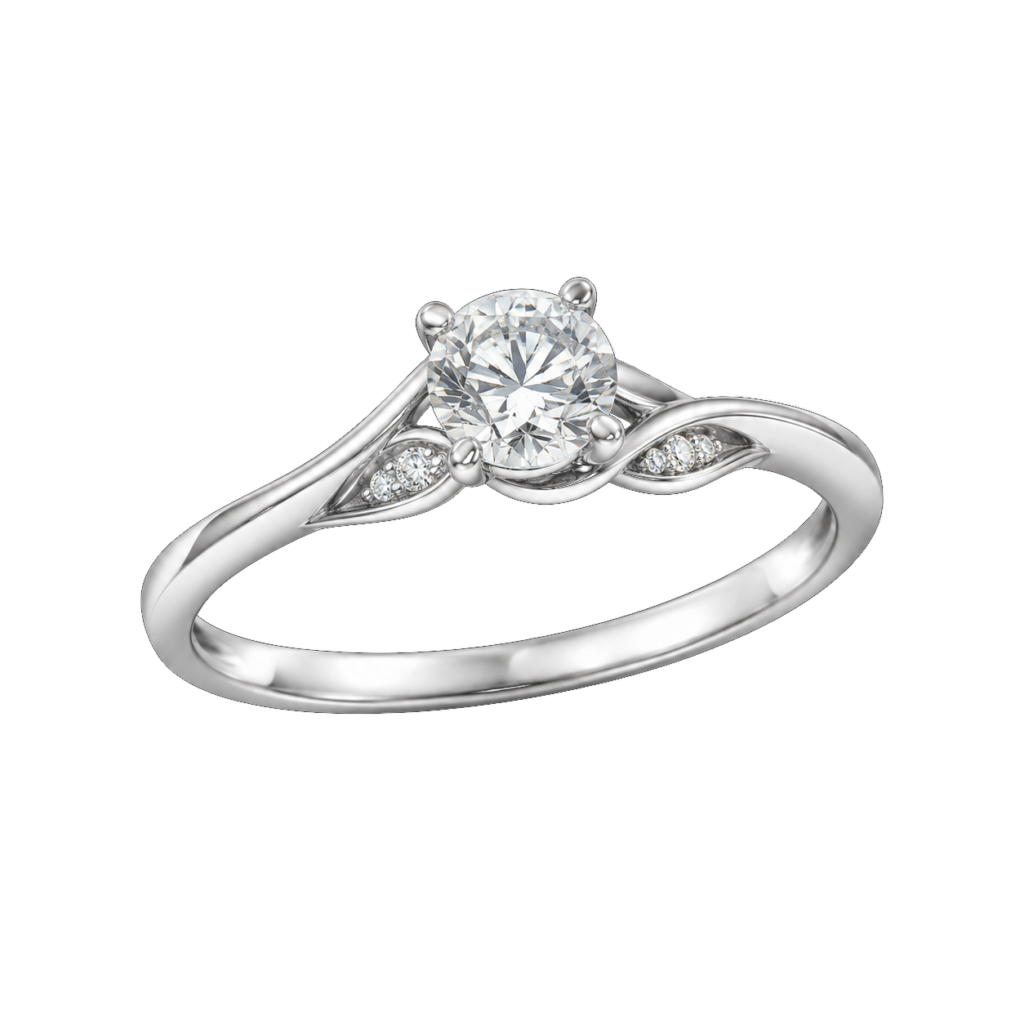
Romantic and Soft
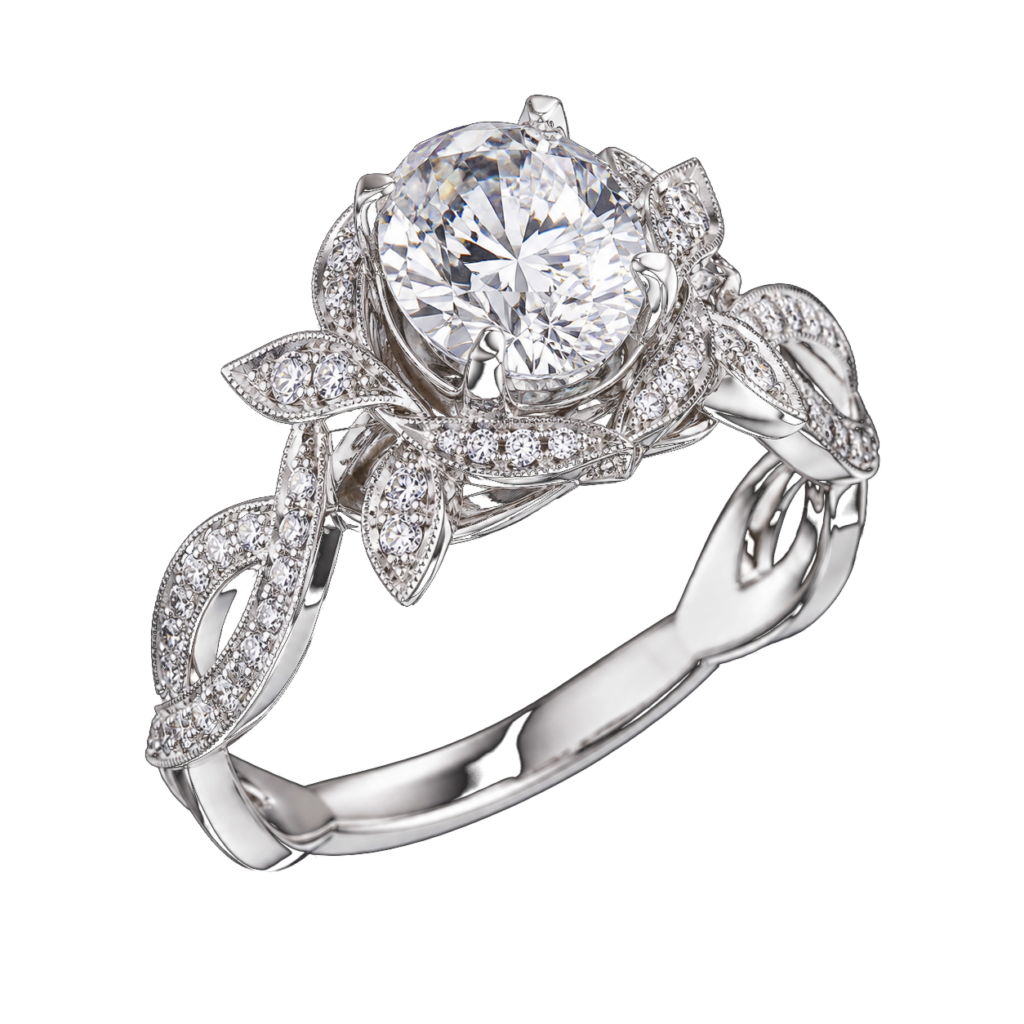
Bold and Detailed
How a Custom Ring Moves From Brief to Approval
A custom ring project moves through approval gates so that visual preferences do not get mistaken for final manufacturing instructions. The sequence below separates the initial idea, the written specification, the CAD or design review, production, quality review, and delivery. NUVU coordinates the applicable steps; the exact scope depends on the actual stone, design, metal, quantity, and destination.
1. Define the Design Brief
Send the purpose, reference image or sketch, diamond shape, approximate carat or measurements, color and clarity direction, report preference, metal and karat, setting, ring size, side stones, engraving, budget range, destination country, and target date. The first brief can contain unknowns. NUVU uses the known information to identify what still needs confirmation before quoting.
2. Confirm Stone, Metal and Setting
Before CAD or development, confirm the selected stone direction, report requirement, metal specification, setting structure, dimensions, ring size, profile, side-stone layout, engraving, finish, logo or packaging requirements where applicable, and the scope of the project. CAD fees, development charges, included revision scope, and additional revisions are project-specific and must be stated before work begins.
3. Review CAD and Approve the Scope
After the design direction is approved, production follows the confirmed project specification. Review points can include the report number and laser inscription where applicable, stone condition and measurements, metal mark or documented metal specification, stone security, prong and setting condition, dimensions, symmetry, surface finish, engraving, ring size, cleanliness, packaging, and final presentation. Inspection photographs, videos, stone images, or QC materials can be requested for the project, but their availability should be agreed rather than assumed.
Three Starting Directions
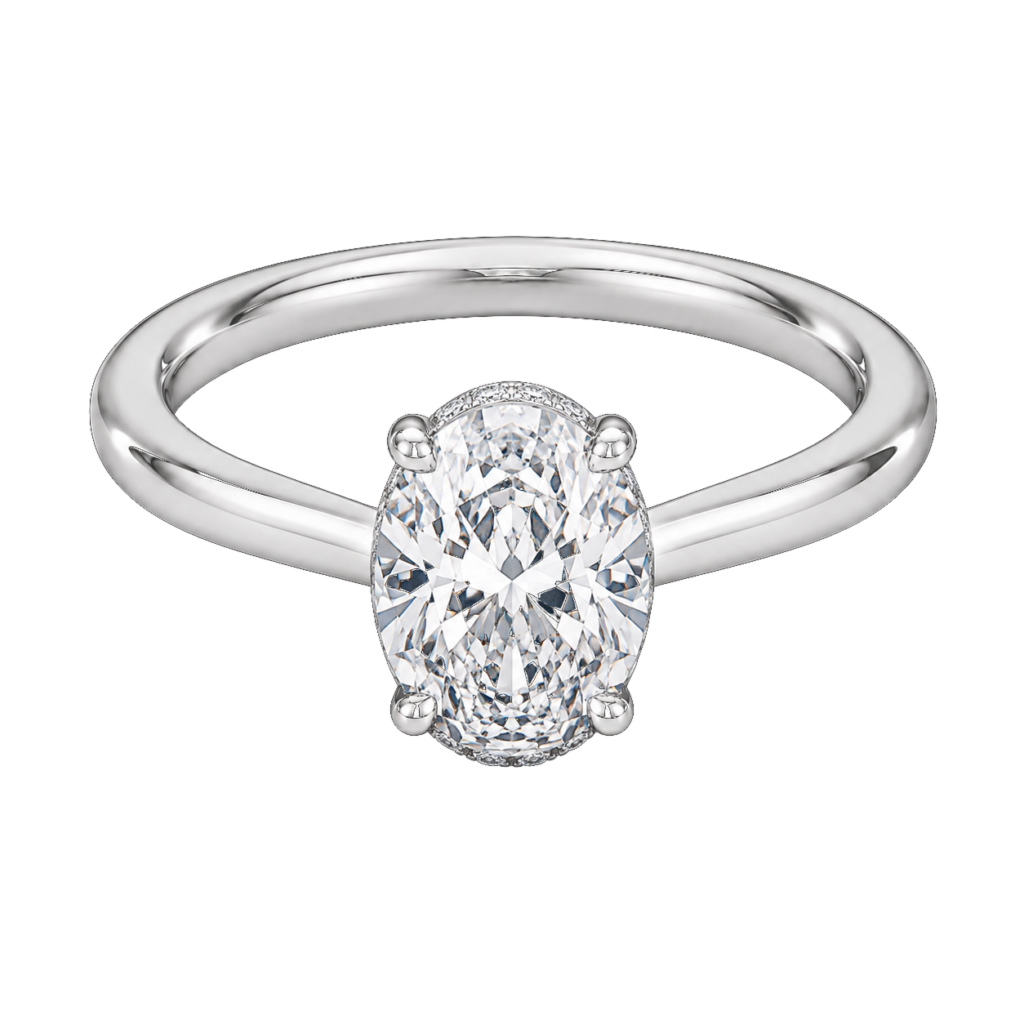
Oval + Hidden Halo + White Gold
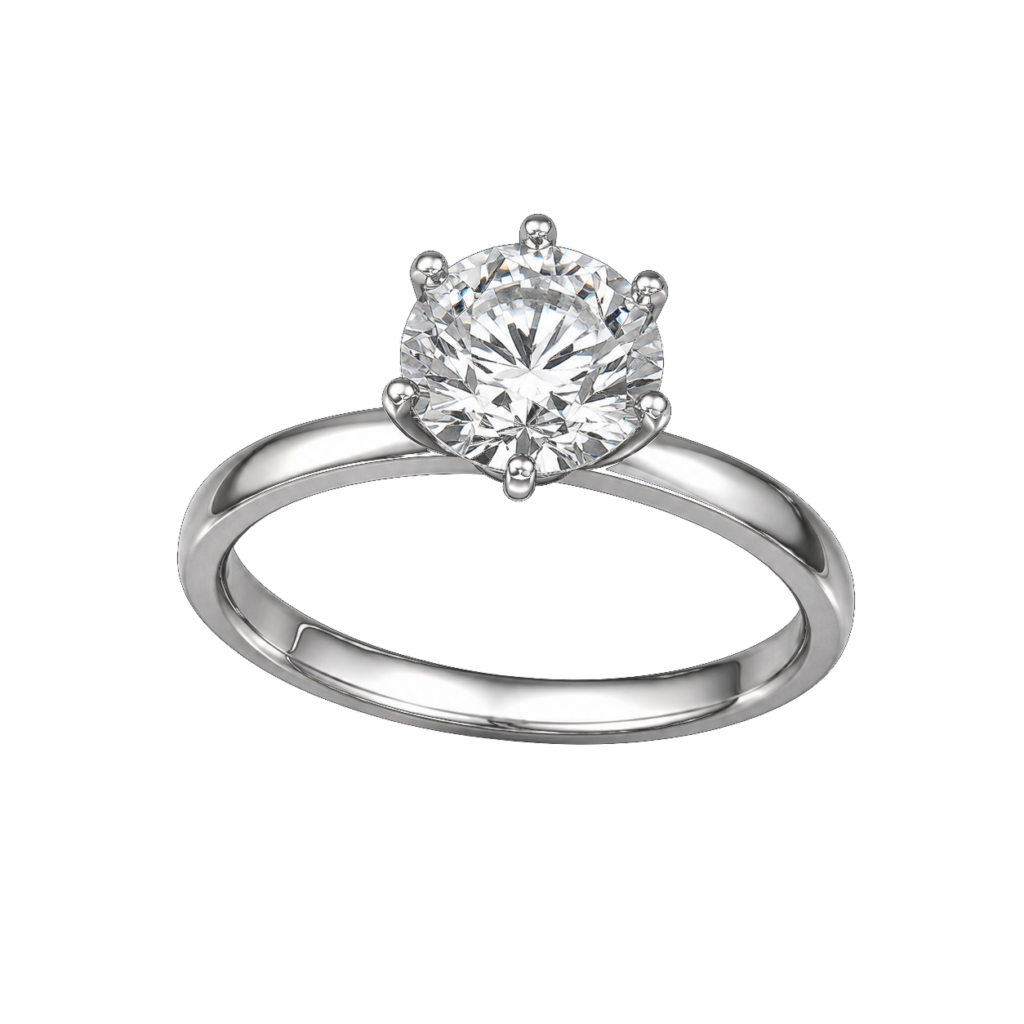
Round + Solitaire + Platinum
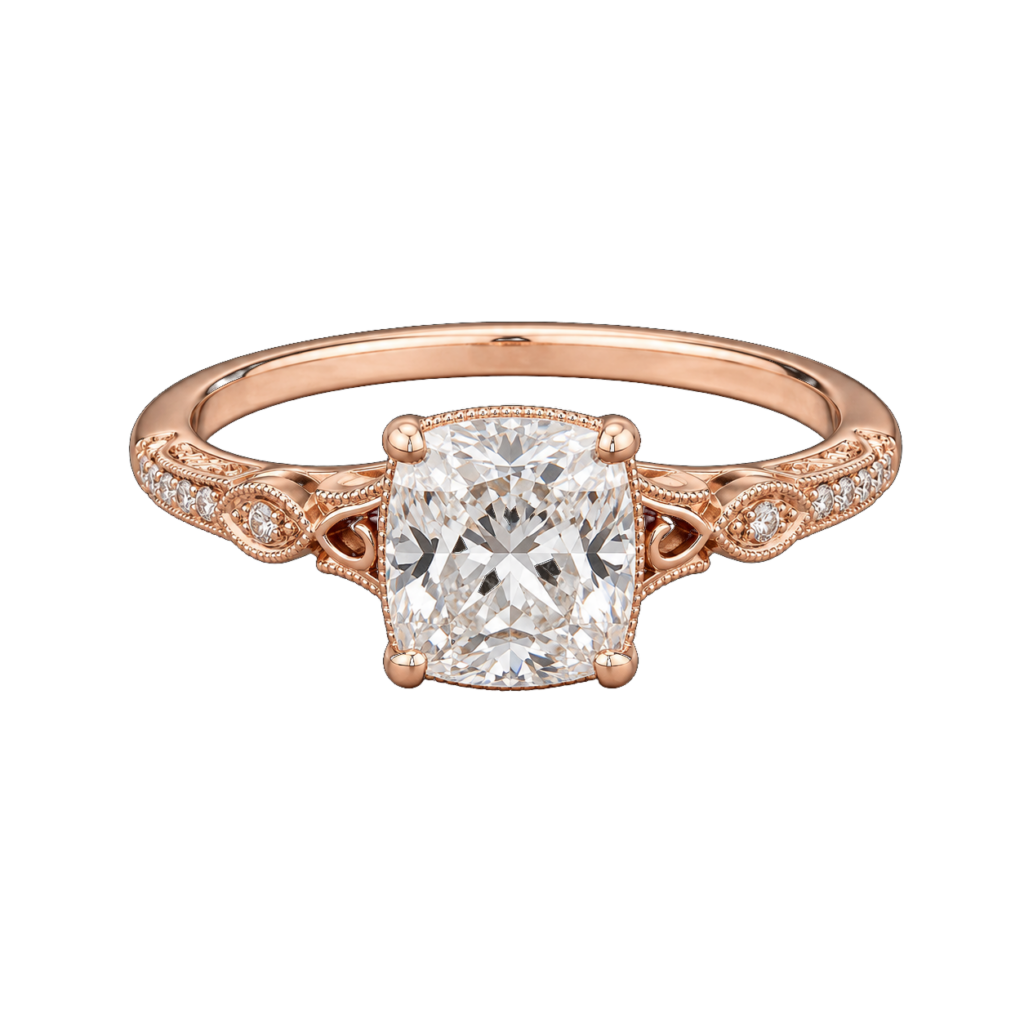
Cushion + Vintage Inspired + Rose Gold
Design Your Ring FAQ
How much does a custom lab-grown diamond ring cost?
There is no single fixed price for every custom ring. The written quote depends on the stone shape, carat or measurements, color and clarity, report preference, metal and karat, setting complexity, side stones, ring size, engraving, CAD or development scope, packaging, quantity, and destination.
Can I start without an exact design?
Yes. A saved image, sketch, preferred shape, metal direction, setting preference, or general style is enough to start. The missing details should be clarified before the final quotation and before CAD or production approval.
What should I confirm before CAD approval?
Confirm the center-stone specification, report requirement, metal and karat, setting structure, dimensions, ring size, profile, side stones, engraving, finish, branding or packaging direction, revision scope, and the approval point that allows production to proceed.
Can the ring include a grading report?
Certified and non-certified lab-grown diamond options may suit different uses. Report availability, laboratory, report number, stone details, and laser-inscription matching must be confirmed for the actual stone before purchase. NUVU is not an independent grading laboratory.
How long does a custom ring take?
Timing is project-specific. Stone availability, shape and grade, matching, report requirements, design complexity, CAD, sample approval, metal, setting, quantity, buyer approvals, branding, packaging, and destination can all affect the confirmed timing.
Can I receive QC photos?
Project-specific inspection photographs, videos, stone images, or product-confirmation materials can be discussed. The applicable deliverables should be agreed in the quotation or order documentation rather than treated as a universal promise.
When you are ready, start a custom ring project brief with the information you already know. You can also contact NUVU, review the custom jewelry process, or browse lab-grown diamond engagement rings for a starting reference.