
Lab-Grown Diamond Jewelry Factory Tour
See How Diamond and Jewelry Stages Connect
A lab-grown diamond jewelry factory tour should explain more than a sequence of attractive workshop images. It should show which stages concern diamond material, which concern loose-stone preparation, which concern finished jewelry, and where responsibility changes. NUVU uses this page as a responsibility map for buyers comparing loose diamonds, custom jewelry, private label, and wholesale supply.
NUVU is connected to the diamond-industry background of New Perspective Superhard Materials Co., Ltd. in Zhecheng County, Henan Province. That background includes diamond powder, synthetic diamonds, cultivated diamond rough, and cultivated loose diamonds. Finished jewelry can also involve specialized production resources or supporting partners. NUVU focuses on specification collection, stone and documentation review, design coordination, finished-product review, packaging direction, and delivery coordination as applicable.
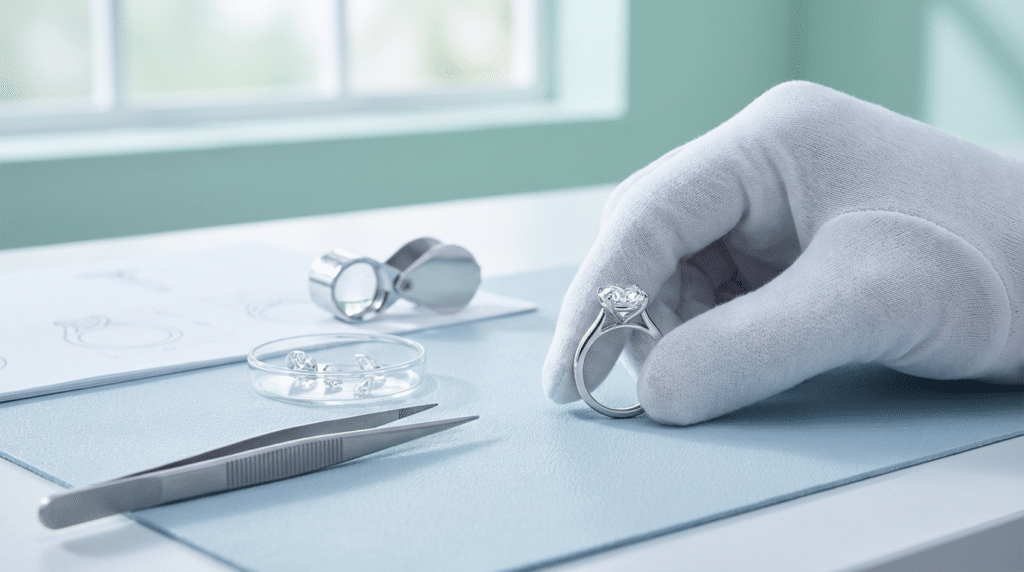
Production Context and Responsibility
The images on this page illustrate a wider production and supply environment. They do not establish that every pictured building, machine, worker, or jewelry operation is owned or staffed by NUVU. Where an image is used as factual evidence, its caption stays limited to what can be seen and to the relationship that has been confirmed.
For a buyer, the practical question is not whether every stage carries one logo. It is whether the selected stone, report requirement, metal and karat, setting, dimensions, branding, packaging, inspection materials, and delivery terms are recorded and reviewed against the same approved order direction.
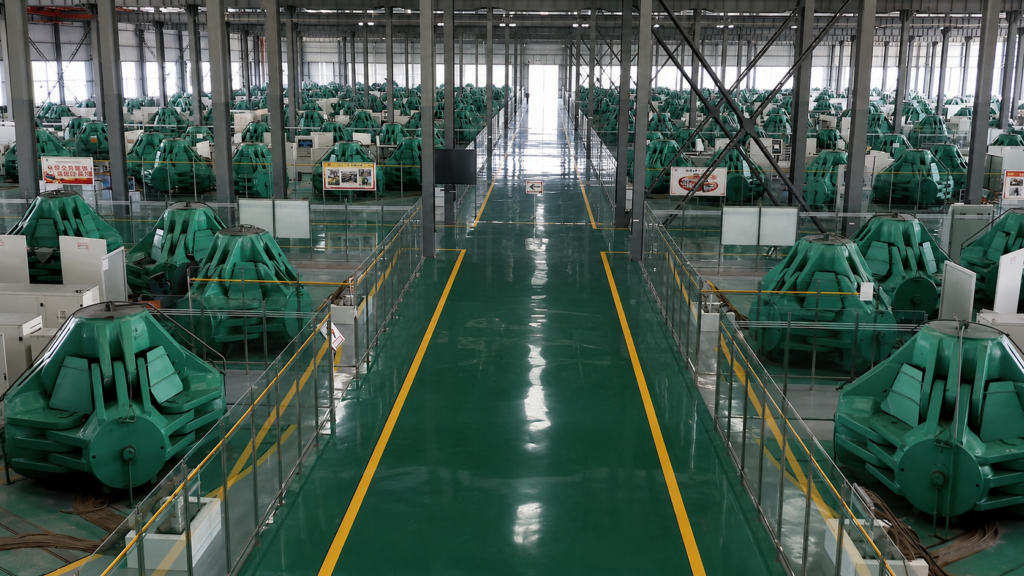
Industrial workshop context connected to diamond material production; facility and process responsibility must be confirmed for the applicable order.
Diamond Growth and Material Background
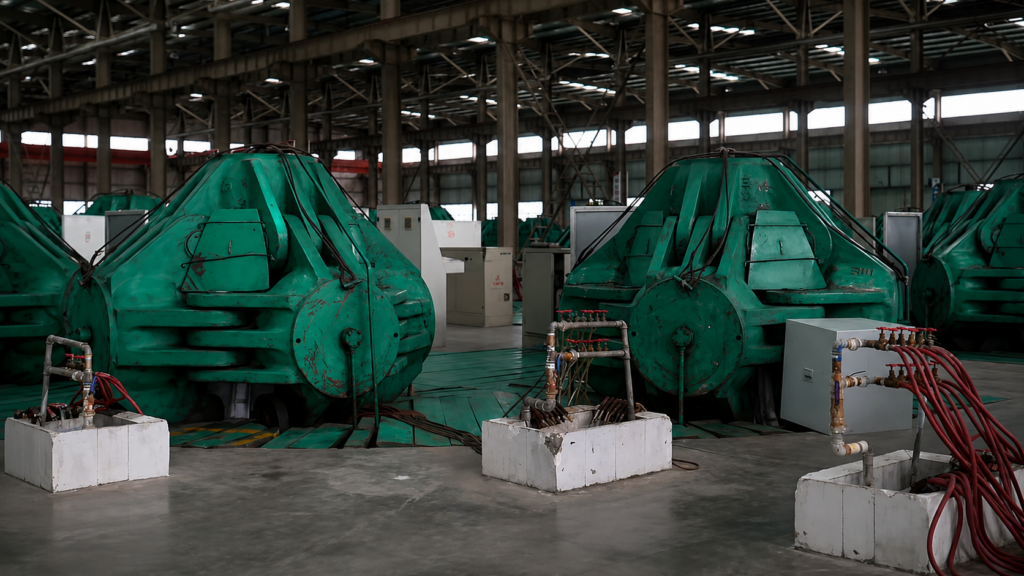
HPHT equipment belongs to the upstream diamond-production context. It helps explain how lab-grown diamond material differs from a finished retail jewelry item, but a photograph of equipment does not by itself prove ownership, capacity, stone origin, or the specification of a buyer's order.
Before purchase, confirm the actual stone specification, report requirement where applicable, availability, physical review basis, matching needs, and intended jewelry use.
Diamond Cutting and Planning
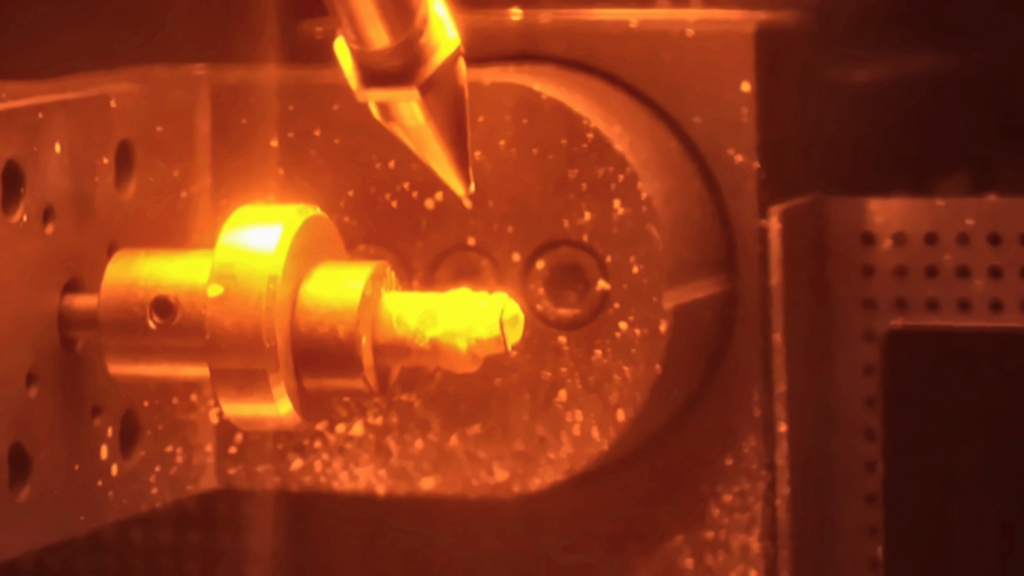
After rough material, diamond preparation can involve planning, cutting, shaping, polishing, sorting, and matching. The planning-screen image below is diamond planning software showing a polished-stone model and yield information; it is not jewelry CAD.
Loose-stone buyers should provide shape, carat or measurements, color, clarity, quantity, report preference, matching or calibration requirements, intended use, budget, and destination. Jewelry CAD is a separate stage used only when a custom or OEM design requires technical development and approval.
Why Process Visibility Matters to Buyers
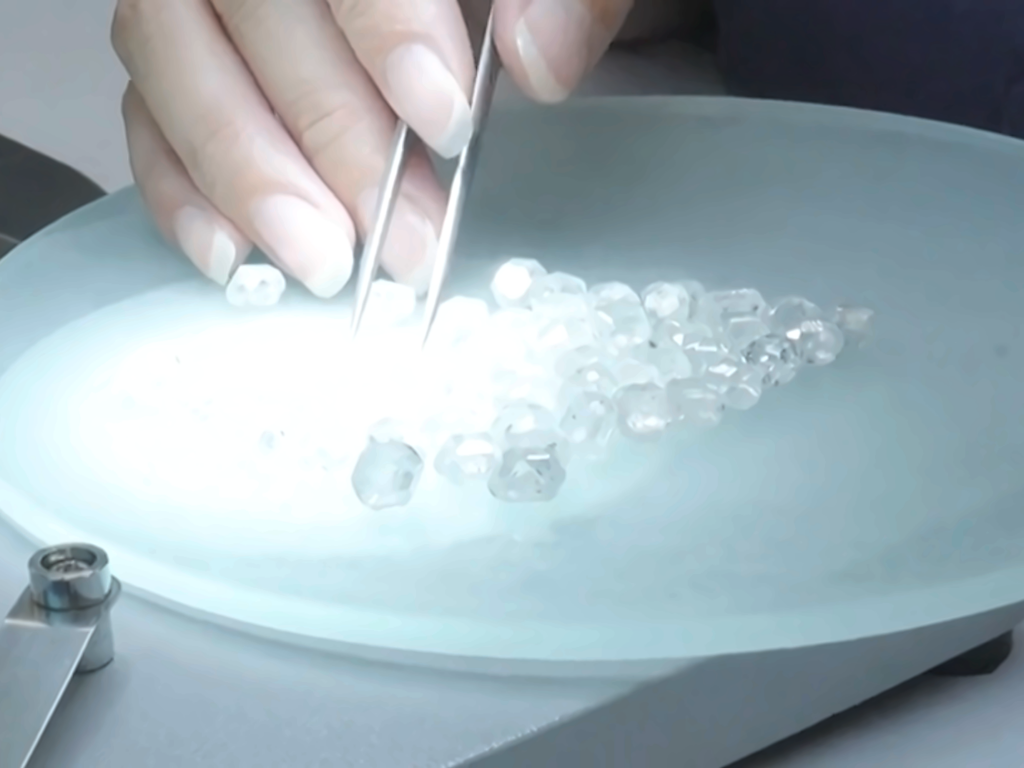
Stone Selection
Stone selection connects the order specification to an available physical diamond. Review can include documentation where applicable, condition, shape, measurements, appearance, matching, calibration, and suitability for the intended setting or production use.
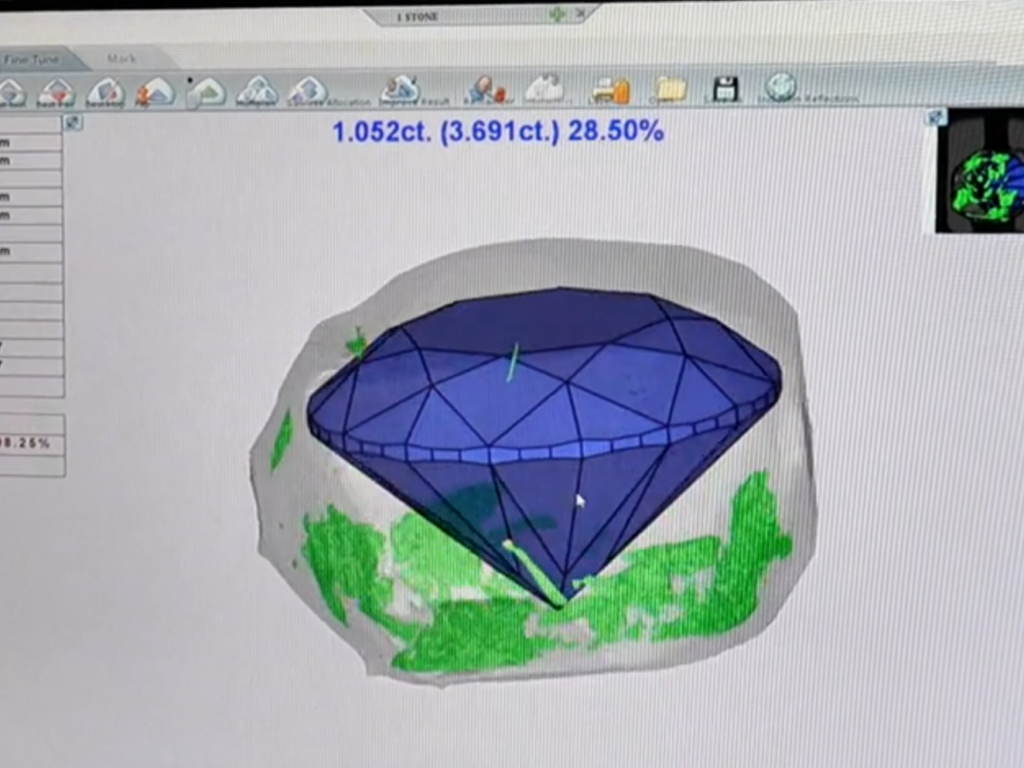
Diamond Planning Review
Diamond planning evaluates how a rough or intermediate stone may become a polished diamond. This is distinct from jewelry CAD, which translates an approved ring or jewelry direction into dimensions, setting structure, and other production details.
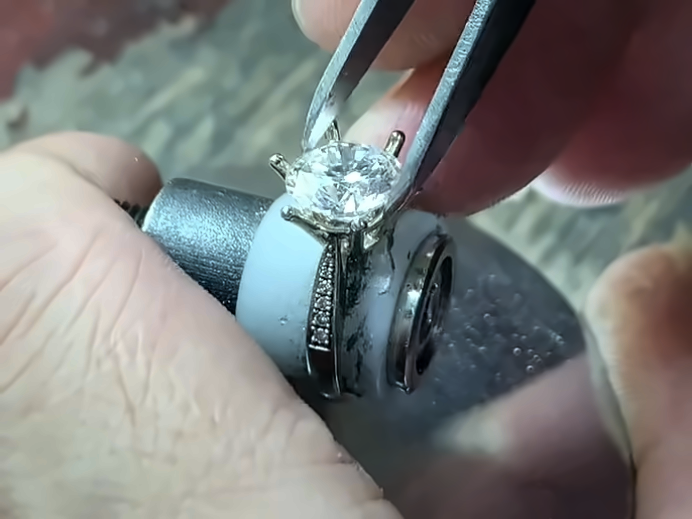
Setting & Assembly
For finished jewelry, setting and assembly connect the selected stone with the approved mounting. The applicable review can cover stone position, prongs, setting condition, visual balance, dimensions, metal specification, and design alignment. These stages do not apply to a loose-stone-only order.
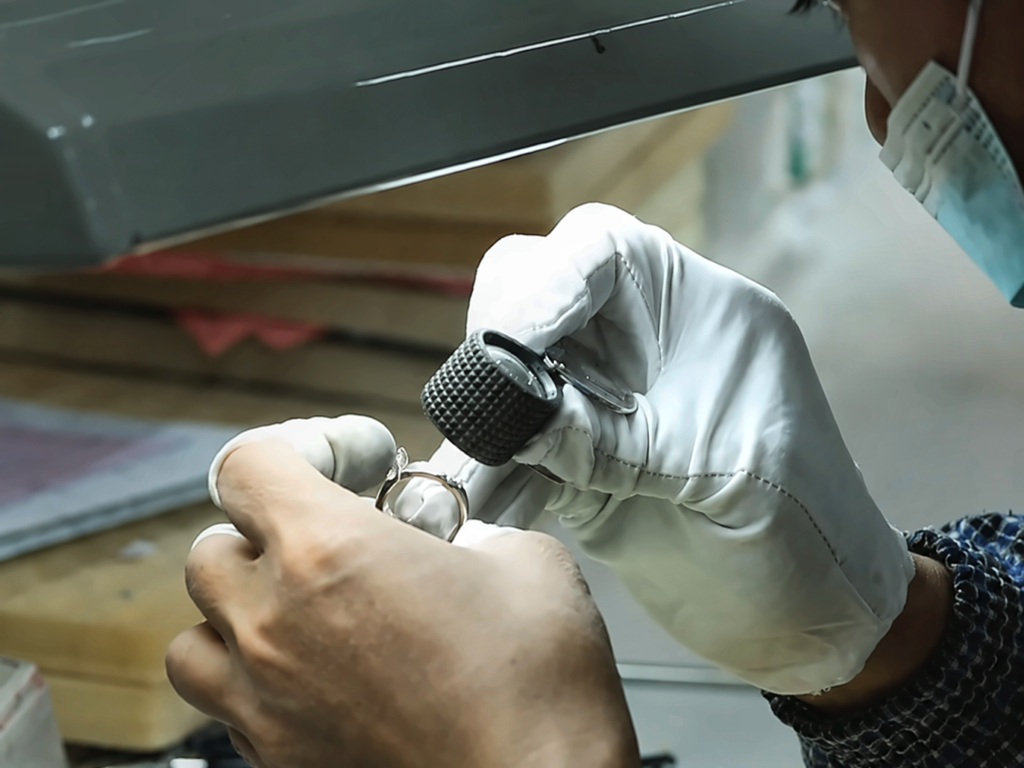
Final Review
Final review checks the finished piece against the confirmed order direction. Depending on the project, this can include setting condition, surface finish, engraving, size, cleanliness, logo, packaging, and overall presentation. Inspection photographs or videos can be discussed, but their delivery must be agreed for the order.

Helps Make the Product Feel Real
A clearer view of the making process helps customers understand that each piece goes through defined stages before it is presented as finished jewelry.

Connects Design to Outcome
Seeing the process makes it easier to understand how a stone, a setting, and a final design come together as one piece.

Shows How A Piece Is Made
Provides a clearer understanding of the steps behind a finished jewelry piece.

Explains What Happens Before Delivery
Highlights the review and preparation stages before jewelry reaches the customer.
From Stone to Finished Piece
A finished piece of jewelry is shaped through several connected stages, each contributing to how the final design looks and feels.
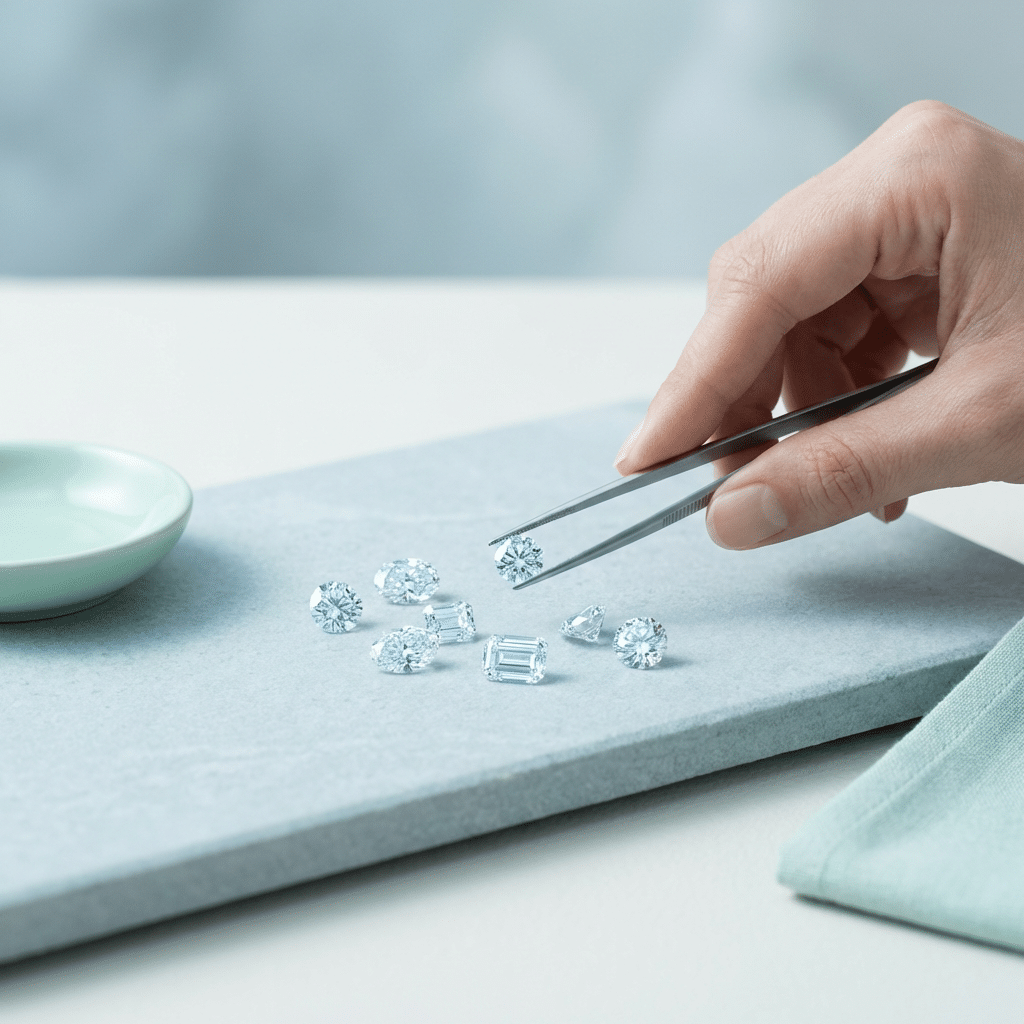
Stone Selection
The process begins with the stone itself, where shape, size, and visual direction help define the starting point of the piece.
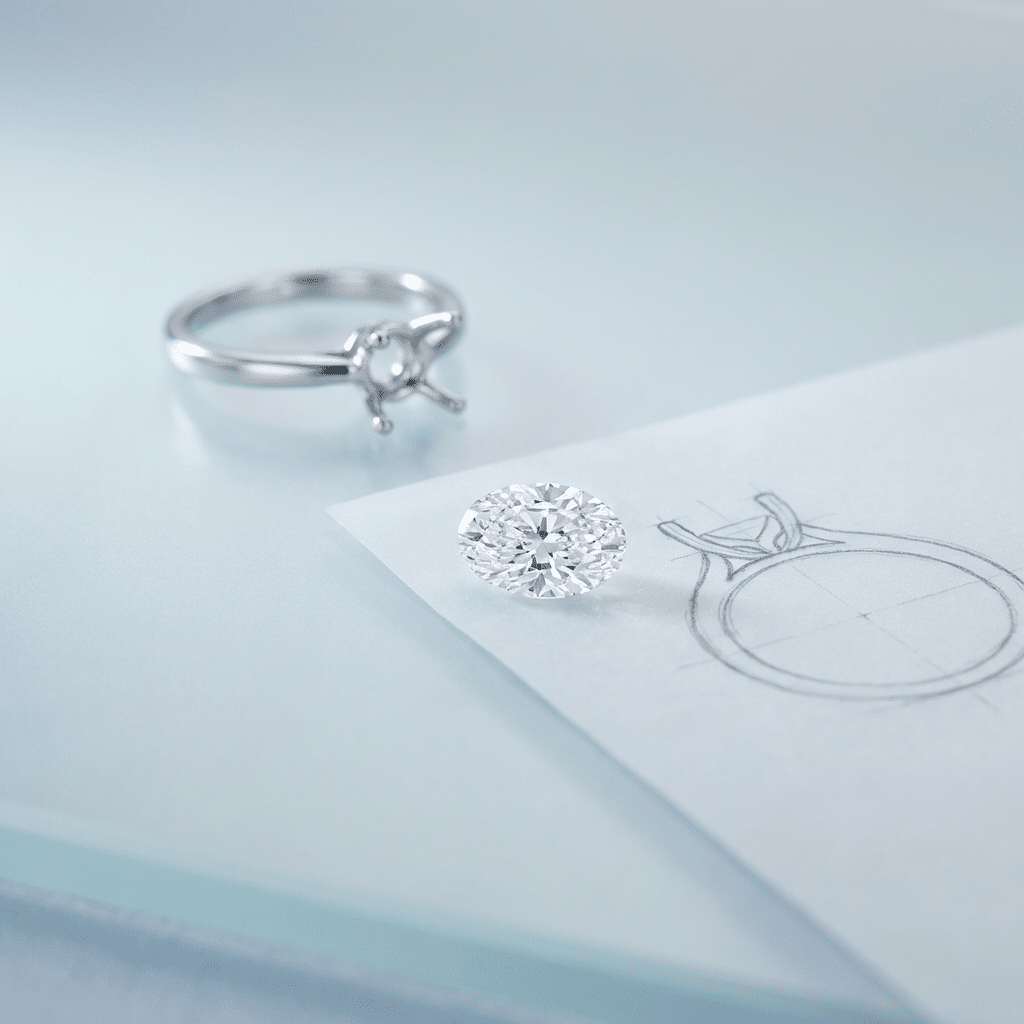
Design Alignment
The selected stone is then matched with an intended setting style, design concept, or custom direction.
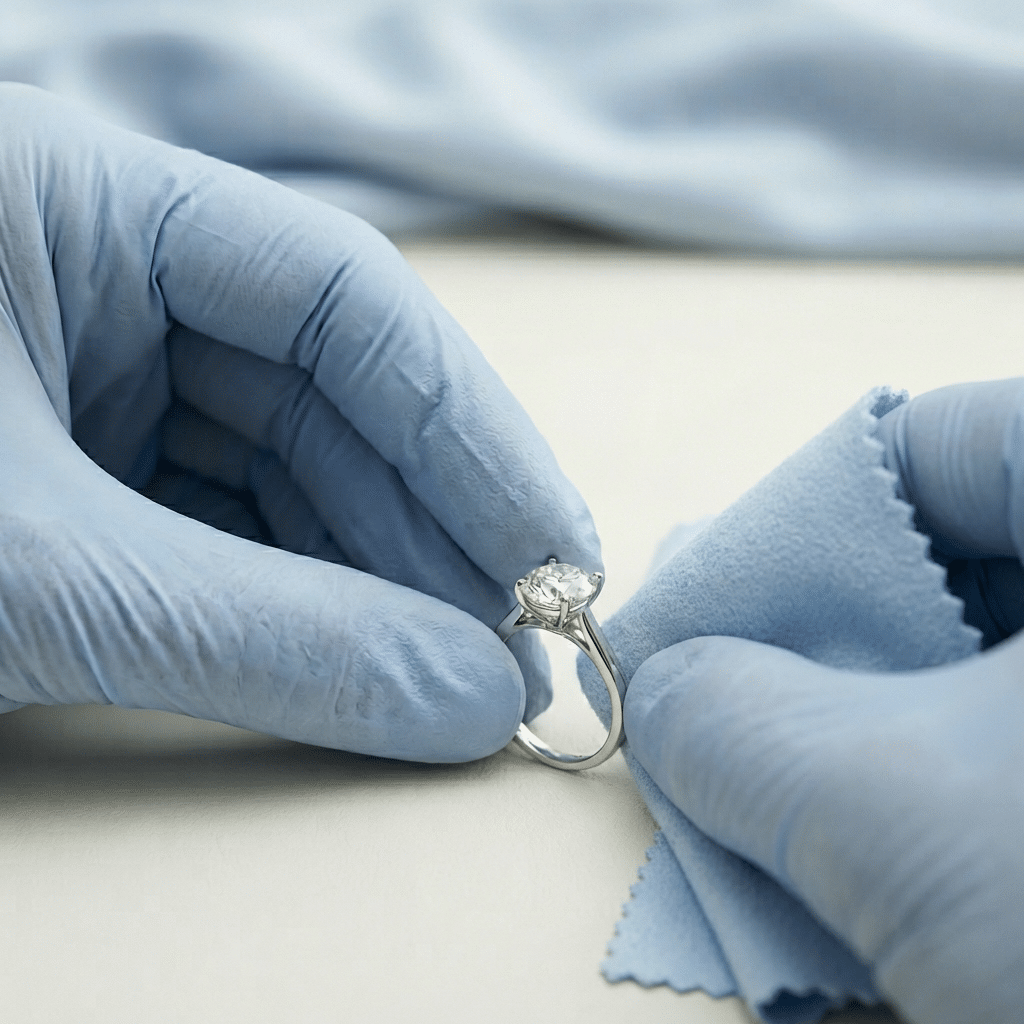
Setting and Assembly
Once the design direction is established, the stone and mounting are brought together through the making process.
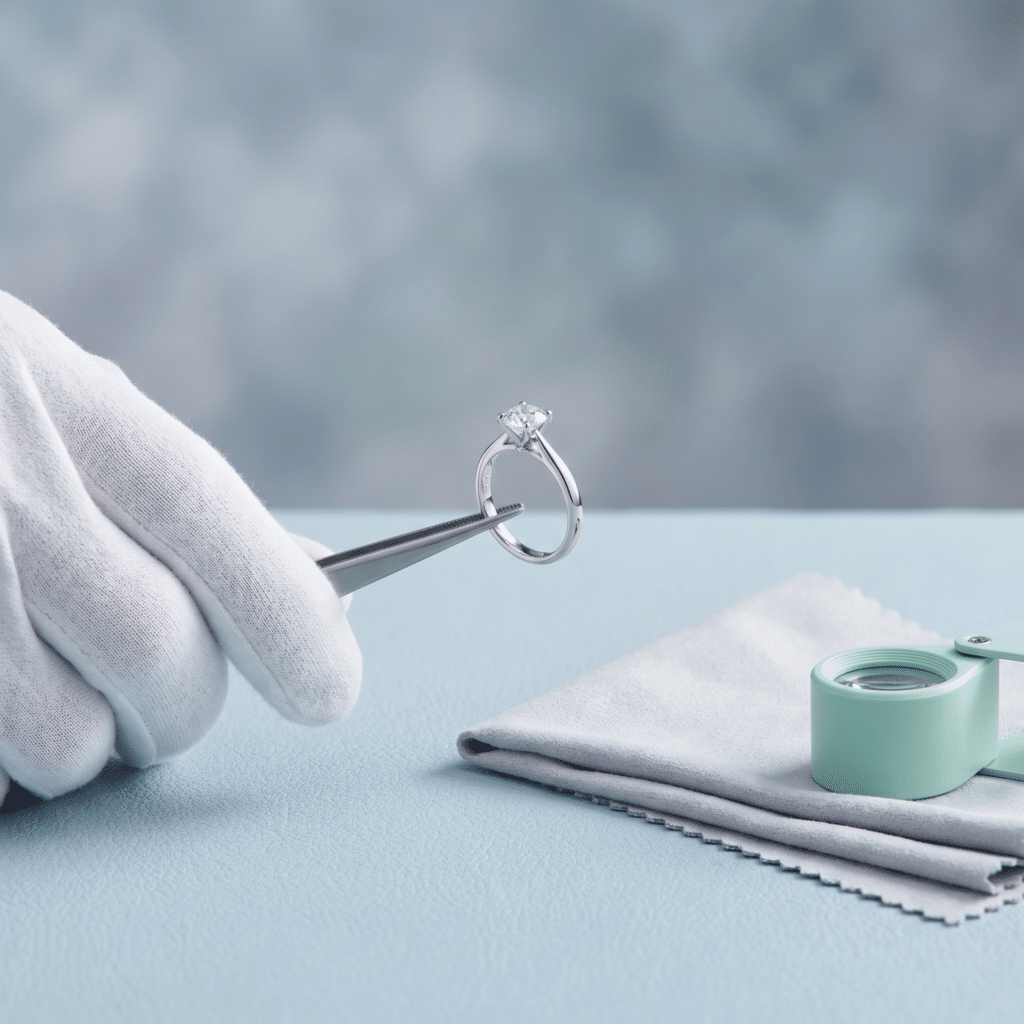
Finishing and Review
The completed piece is visually reviewed and prepared so that the final presentation feels clean, coherent, and ready.
Inside Each Stage Of The Process
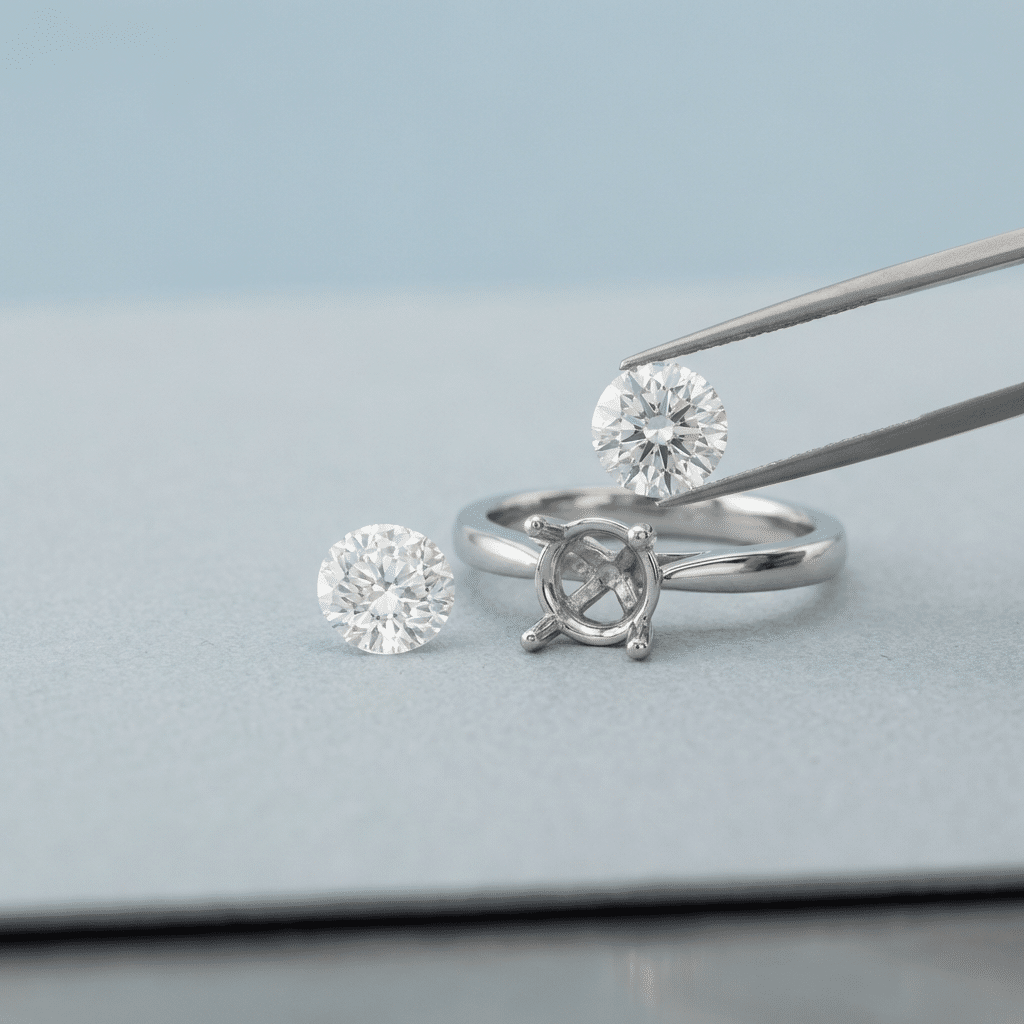
Diamond Selection
The visual identity of a piece often starts with the diamond. Shape, proportions, and overall appearance all influence the design direction that follows.
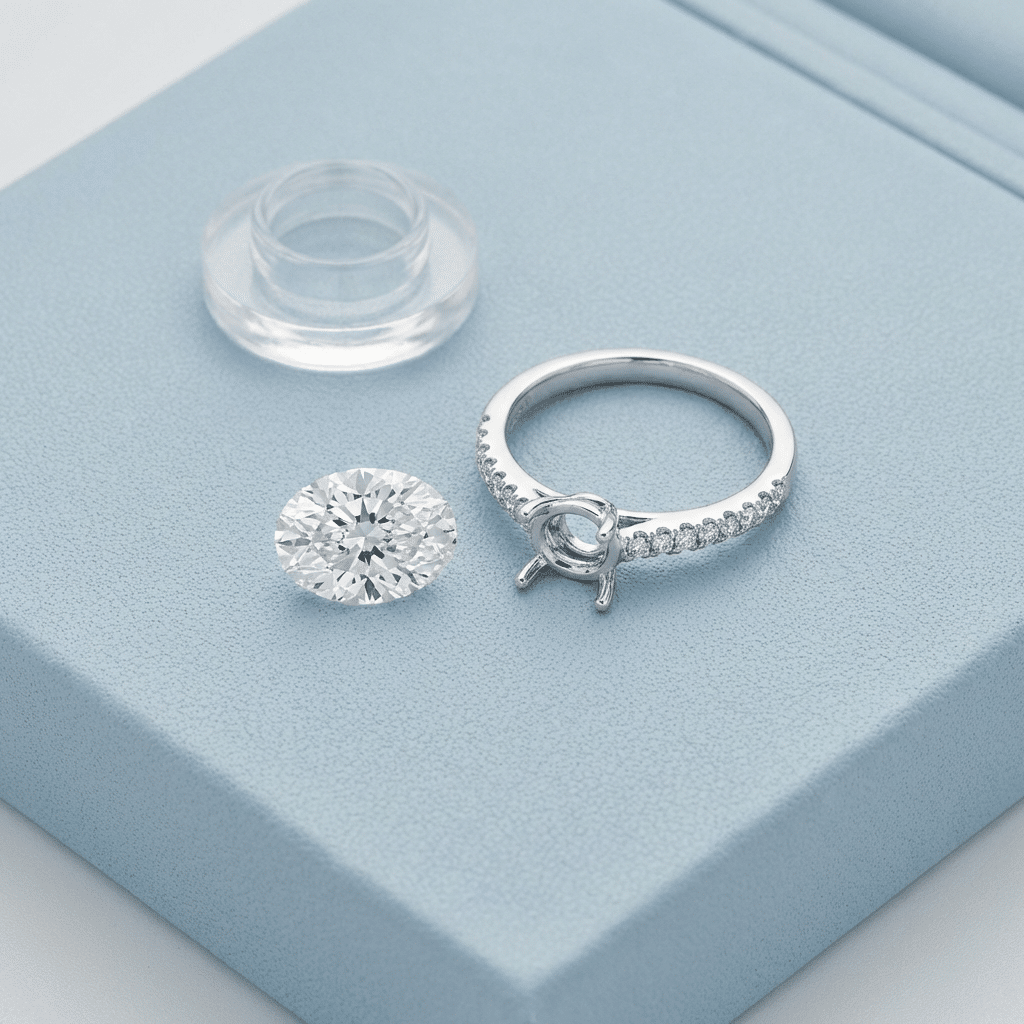
Pairing Stone and Setting
A stone does not exist in isolation. The selected shape needs to work with the setting style, metal choice, and overall visual balance of the final piece.
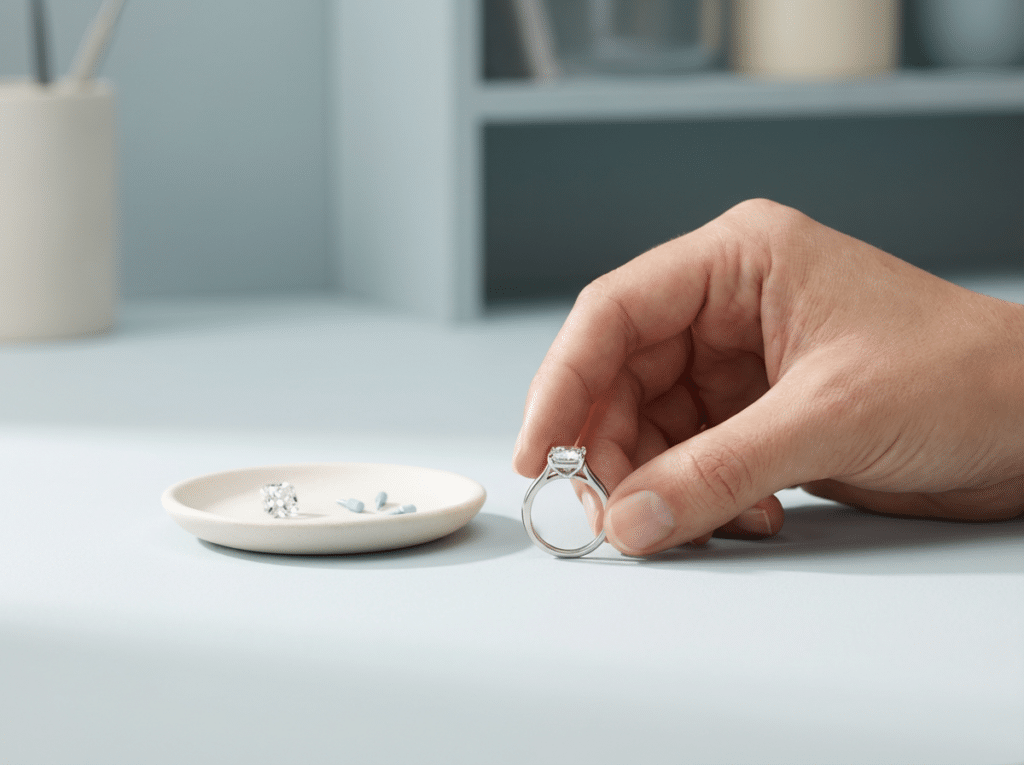
Setting and Assembly
Assembly focuses on stone placement, structure, and overall construction.
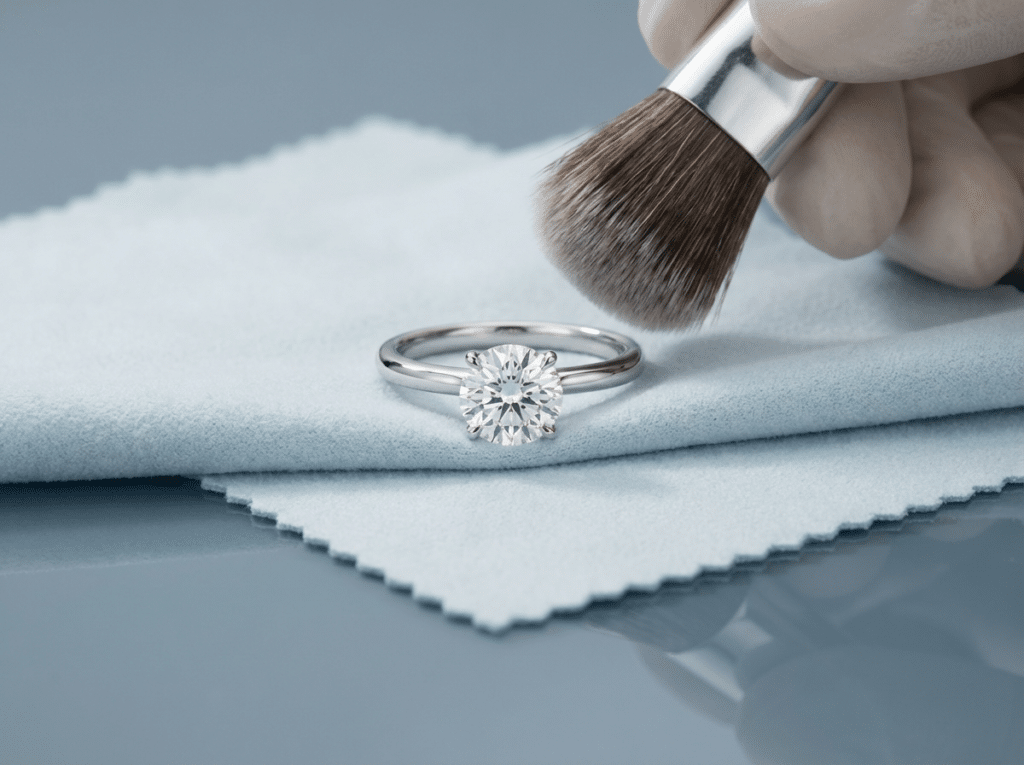
Final Preparation
Surface finish, presentation, and delivery readiness are reviewed before completion.
Craft, Finish, and Final Review
What customers finally see is shaped not only by the design itself, but also by the finishing and presentation work that happens near the end of the process.
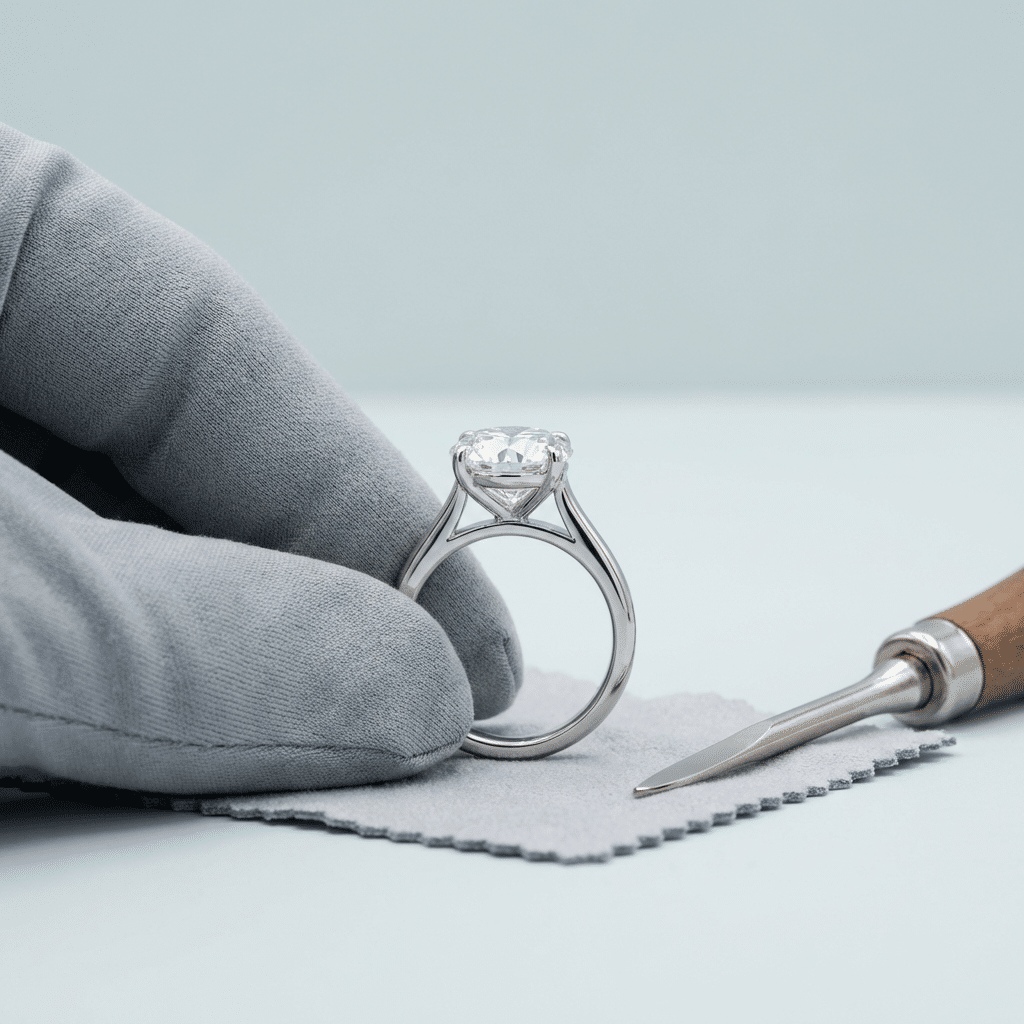
Surface Refinement
Polish, finish consistency, and clean visual presentation all contribute to how refined the final piece feels.
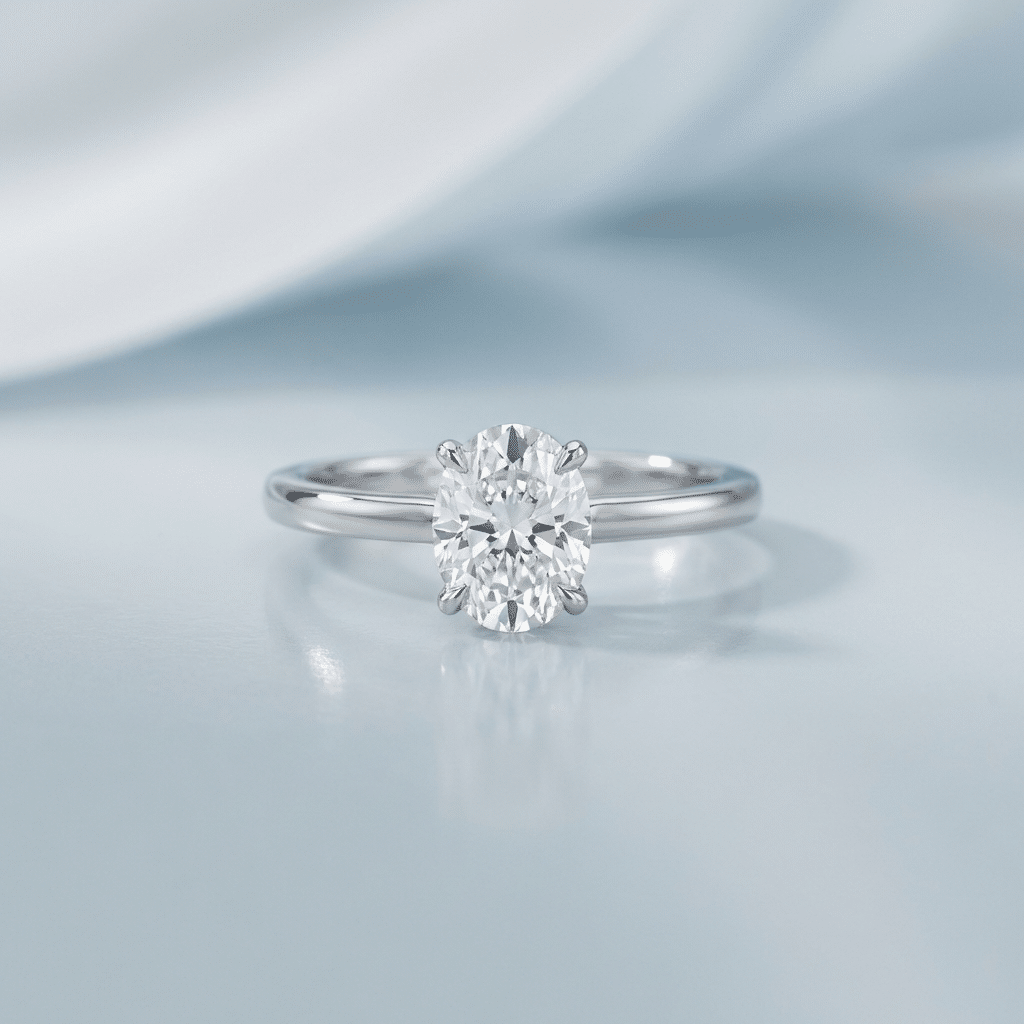
Visual Balance
The way the stone sits, the way the setting frames it, and the way the whole piece reads together all affect the final impression.
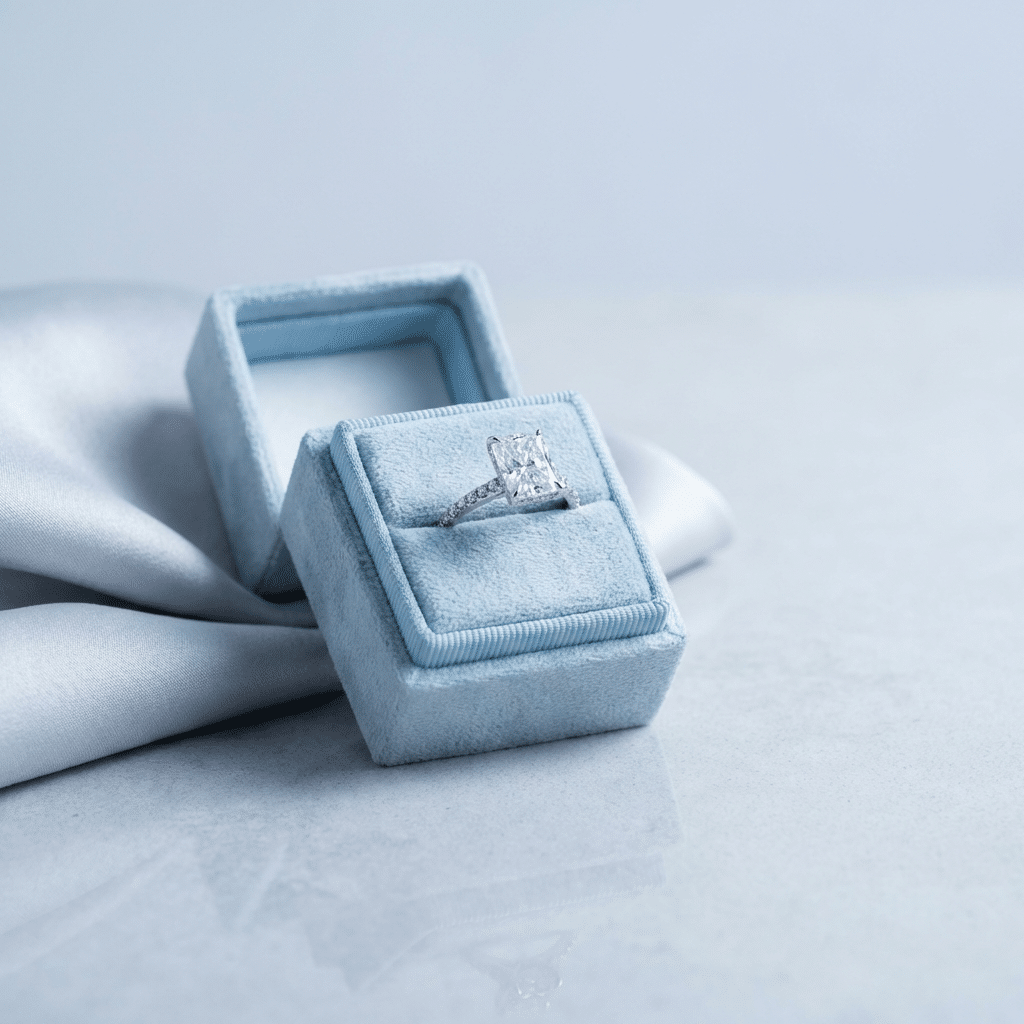
Ready for Presentation
Before handoff, the goal is for the piece to feel complete, visually coherent, and ready to be seen with confidence.
Transparency as Part of the Experience
Transparency means separating evidence from assumption. NUVU does not claim that every operation is completed by one legal entity, one workshop, or only by NUVU employees. The commercial control point is the approved specification: stone, documentation, metal, design, dimensions, quantity, branding, packaging, QC scope, and delivery terms.
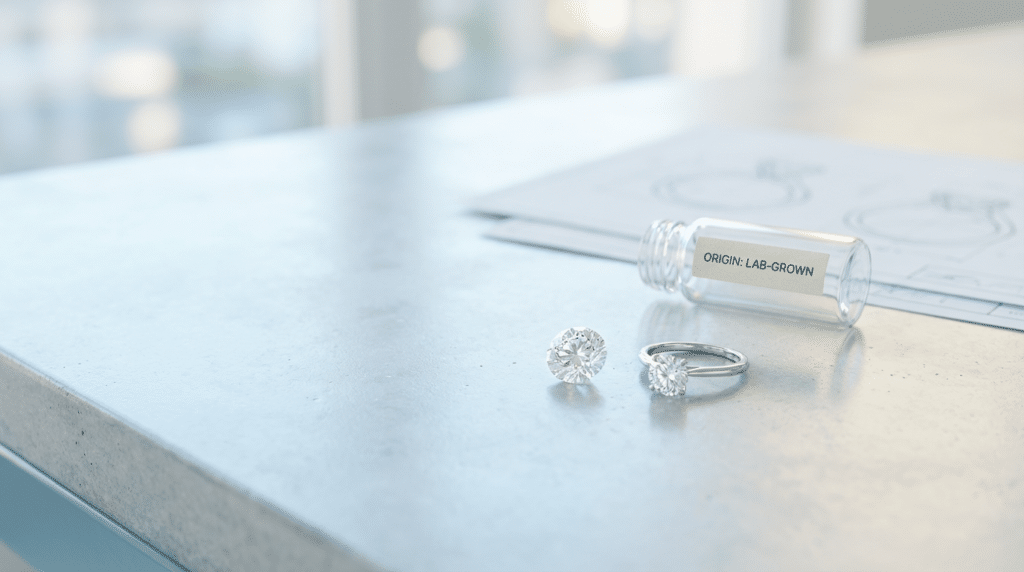
Use the Process Map for Your Project
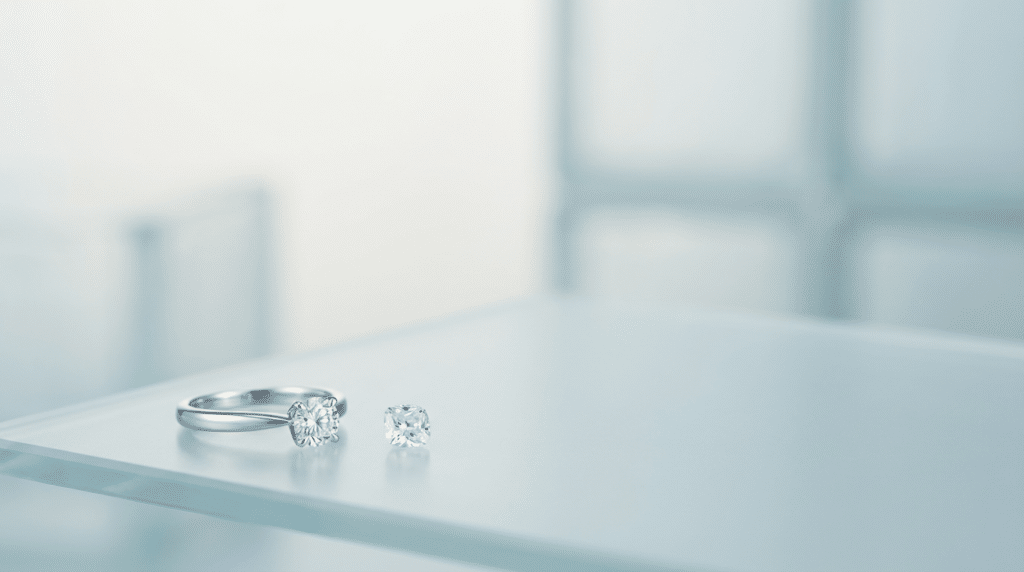
Use this process view to prepare a precise request. Read about NUVU, compare the quality control stages, review the custom jewelry process, or send a project brief.
Factory Tour FAQ
Does this page show one NUVU-owned jewelry factory?
No. The page shows production context connected to NUVU’s diamond-industry background and the wider supply environment used for applicable projects. NUVU does not claim that every growth, cutting, mounting, setting, finishing, or packaging operation is completed by one legal entity, one workshop, or only by NUVU employees.
Which stages apply to loose diamond orders?
Loose-stone work can involve specification review, availability, documentation, physical stone review, matching, calibration, and stone-to-order confirmation. Jewelry setting, finishing, engraving, branding, and packaging apply only when the project includes a finished piece.
Is the planning-screen image jewelry CAD?
No. It shows diamond planning software with a polished-stone model and yield information. Jewelry CAD is a separate development stage used when a custom or OEM jewelry project requires technical design work.
Can buyers request process or QC photos?
Project-specific stone images, inspection photographs, videos, or confirmation materials can be discussed. Their scope and availability should be agreed in the quotation or order documentation rather than assumed for every order.
How should a buyer use this factory tour?
Use it to understand the stages and responsibility boundaries, then confirm the actual stone, metal, design, quantity, documentation, approval points, QC materials, packaging, and delivery terms for the project.
Continue with the lab-grown diamond quality control process, review private label jewelry development or wholesale loose lab-grown diamonds, and contact NUVU with a project specification.