Lab-Grown Diamond 4Cs Guide
A practical guide to cut, color, clarity, and carat—focused on how diamonds actually look, perform, and feel once they become jewelry.
The 4Cs are the foundation of diamond quality, but they should not be treated as four separate scores. A diamond is experienced as one complete visual result, where cut, color, clarity, carat, shape, setting, and proportions all affect how the stone finally looks once it is worn.
Quick Takeaways

Takeaway 1
Cut usually matters most for sparkle and visual life.
A well-cut diamond reflects light better and often looks more lively than a larger stone with weaker cut performance.

Takeaway 2
Color becomes more noticeable depending on metal choice, diamond shape, and lighting conditions.
White metals tend to reveal tint more easily, while yellow or rose gold can make lower color grades feel more forgiving.

Takeaway 3
Clarity matters less once a diamond looks eye-clean.
Many inclusions are not visible without magnification, so paying for ultra-high clarity is not always the smartest upgrade.

Takeaway 4
Carat affects presence, but cut, shape, and proportions shape how large a diamond appears.
Size changes visual impact, but cut quality, shape, and proportions all influence how large and brilliant a diamond appears.
What the 4Cs actually mean when you’re choosing a diamond
How the 4Cs Work Together
The 4Cs provide a shared language for evaluating diamond quality, but they should not be read as four separate scores. In real buying decisions, the better question is not simply which grade is higher — it is which combination creates the best visual result for your priorities, your setting, and your budget.
For lab-grown diamonds, this balance is especially important. Because buyers often have more room to adjust carat, color, clarity, and cut, the smartest choice is usually not the highest grade in every category, but the most balanced combination for how the diamond will actually be seen and worn.
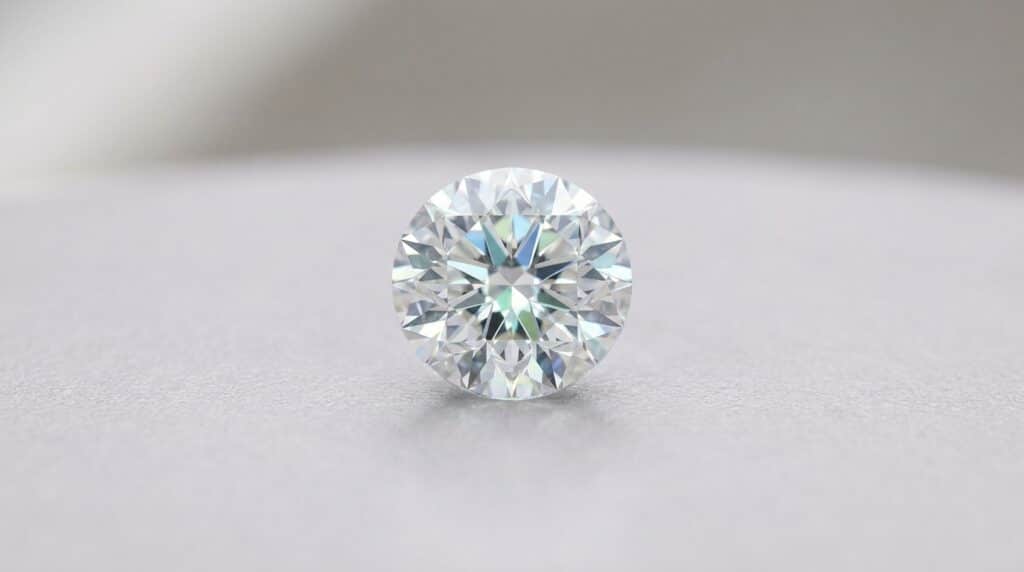
Cut shapes sparkle, brightness, and visual life.
Clarity matters most when inclusions are visible to the eye.
Carat changes presence, but not visual size by itself.
This is why the 4Cs should be used together. Each grade matters, but the final choice should depend on how the diamond looks in real life, how it fits the jewelry design, and what matters most to the person wearing it.
Use the 4Cs as a decision framework, not a checklist. A well-balanced diamond can often look more beautiful than one that simply has higher grades on paper.
Cut: the quality factor that most directly shapes sparkle
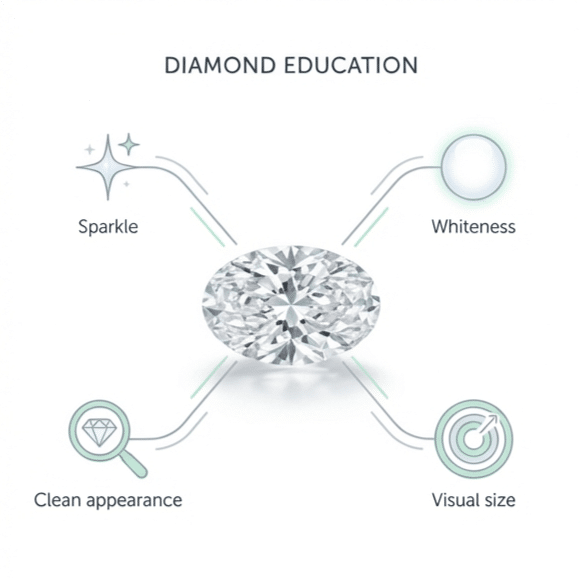
If there is one of the 4Cs that most consistently affects how brilliant a diamond looks, it is cut. A diamond with strong cut performance reflects light more effectively, creating more brightness, contrast, and life across the stone.
1) Why Cut Has the Greatest Visual Impact
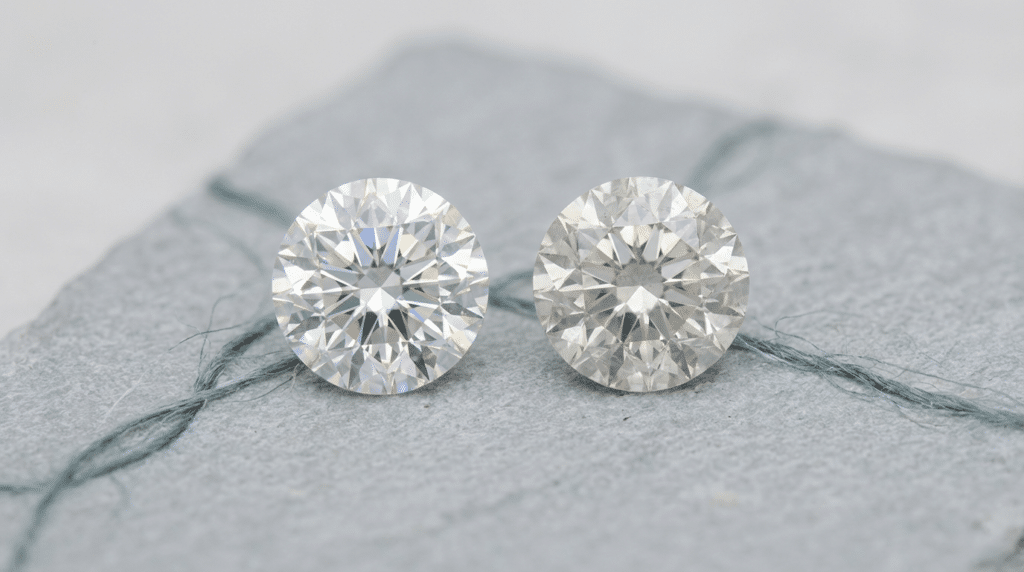
Cut has the strongest influence on how lively a diamond appears because it controls how light enters, moves through, and returns from the stone. A well-cut diamond can look brighter, sharper, and more energetic, even if its color or clarity is not the highest possible grade. A poorly cut diamond may look dark, flat, or dull, even when the report looks impressive. This is why cut should usually be the first quality factor to evaluate.
2) Cut Is Not Just a Grade
A cut grade is helpful, but it does not fully explain how a diamond will perform once it is viewed in motion, different lighting, or real jewelry settings.
3) Round Cut vs. Fancy Shapes
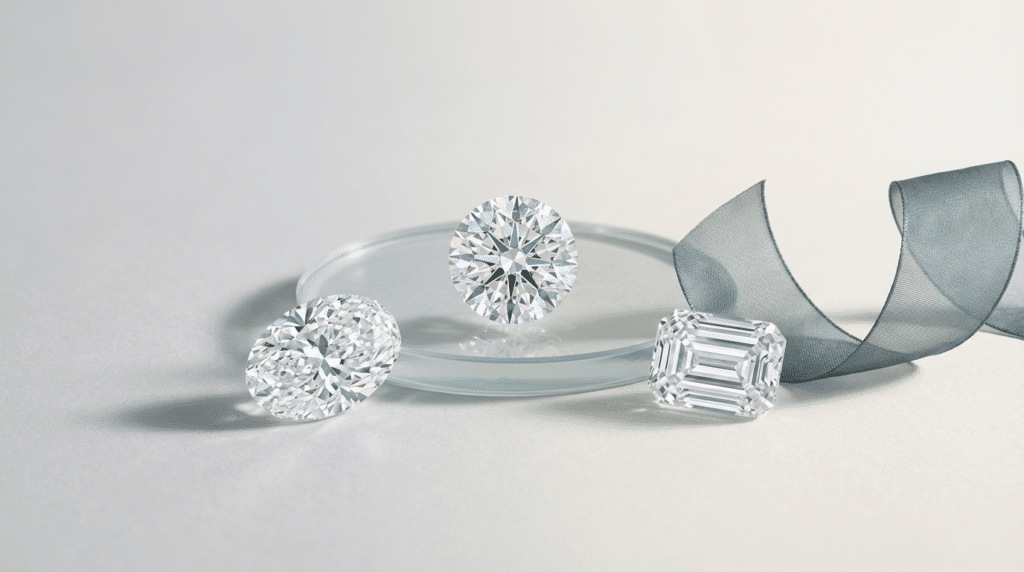
Round diamonds are usually easier to judge because cut performance standards are more established, especially for brightness, fire, and symmetry. Fancy shapes such as oval, pear, emerald, cushion, radiant, and marquise need a more visual approach. Some are chosen for brilliance, some for elongation, and some for a larger face-up appearance. Instead of judging every shape by the same rule, shoppers should consider what each shape is designed to deliver visually.
4) Practical Advice for Shoppers
When choosing a diamond, prioritize cut before chasing higher color or clarity upgrades. A diamond with strong light performance will often look more beautiful than one with better grades but weaker visual life. For most buyers, the smart approach is to choose a bright, well-balanced cut, then match color, clarity, and carat to the setting and budget. The goal is not the highest grade everywhere, but the best-looking diamond overall.
Color: how white the diamond appears, and when that difference matters most
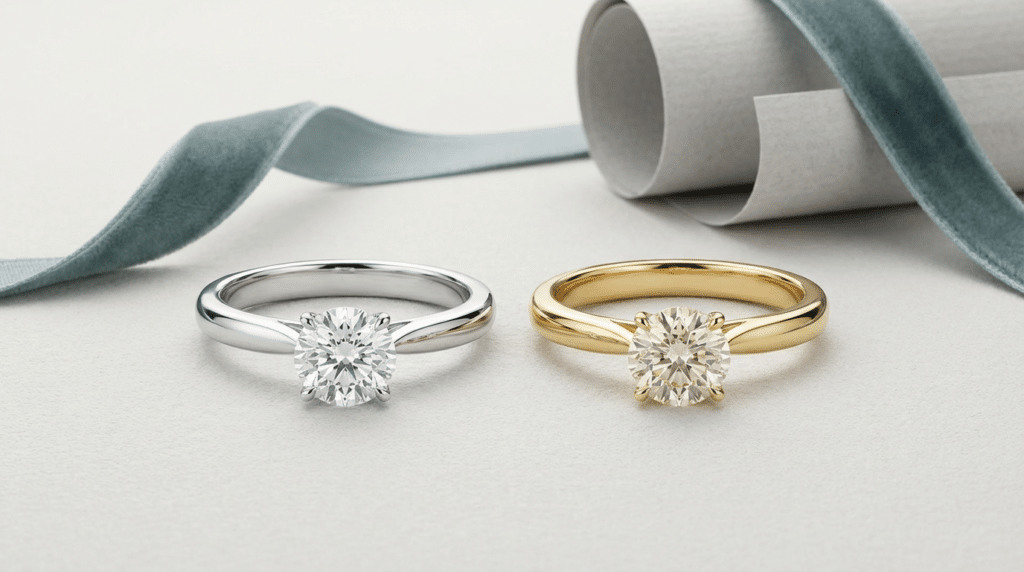
Color refers to how colorless or warm a diamond appears. In real jewelry, color is not judged in isolation. Metal choice, diamond shape, stone size, and personal preference all influence how noticeable warmth or whiteness feels once the diamond is set and worn.
For many lab-grown diamond buyers, the smartest choice is not always the highest possible color grade. The better choice is the grade that still looks bright, clean, and balanced in the final ring design.
White gold and platinum settings usually make color differences easier to notice, while yellow gold and rose gold are often more forgiving. Shape also matters, because some cuts reveal warmth more clearly than others. The goal is to choose a diamond that looks naturally bright in its setting, matches the metal tone, and feels visually balanced when worn.
Metal Affects Color
White gold and platinum usually make color differences easier to notice, especially in larger stones. Yellow gold and rose gold are often more forgiving because warmer metal tones can soften a slightly lower color grade.
Shape Affects Color
Some diamond shapes reveal color more clearly than others. Step-cut diamonds such as emerald and Asscher may show warmth more easily, while brilliant cuts often hide slight warmth through sparkle and light movement.
Size Affects Color
Larger diamonds can make color easier to see because more surface area is visible. Smaller stones may still appear bright and clean at slightly lower color grades, especially when cut quality is strong.
Setting Affects Color
Color should be judged within the full jewelry design, not by the certificate alone. The better choice is the grade that looks bright, clean, and balanced with the metal and setting style.
Clarity: important—but often overemphasized once the diamond looks clean to the eye
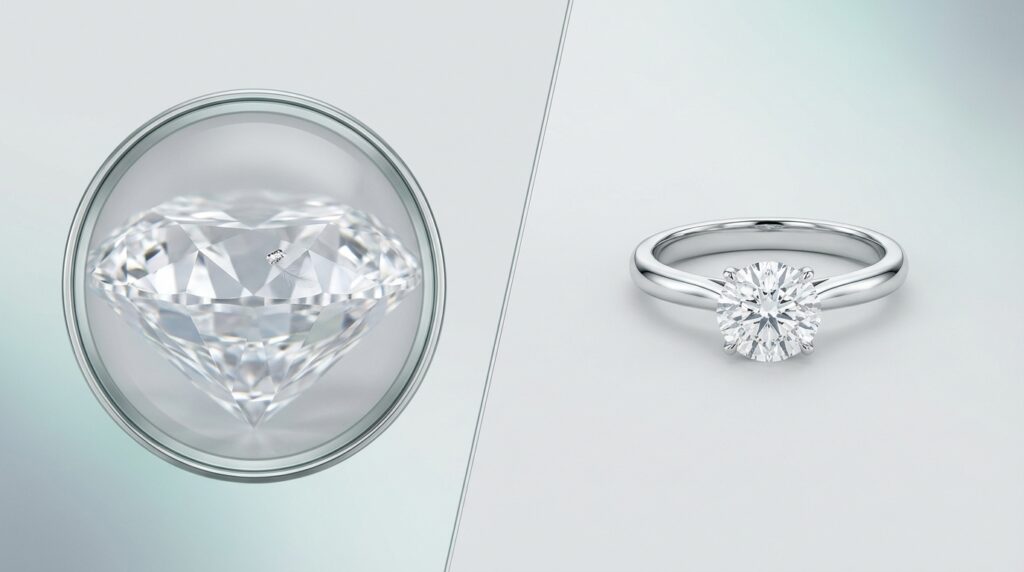
Clarity measures the presence of internal or external characteristics, but many of these are not visible without magnification. In everyday viewing, what matters most is whether the diamond appears clean and attractive to the eye. Once it does, moving to significantly higher clarity grades may not always create a meaningful visual difference.
This is why the idea of an eye-clean diamond is so useful for shoppers. A diamond can contain small inclusions on a grading report and still look perfectly clean in normal wear. In many cases, the visible experience matters far more than the technical presence of characteristics only seen under magnification.
Shape matters here as well. Step-cut diamonds, including emerald and Asscher cuts, tend to show inclusions more easily because their larger, more open facets create a clearer window into the stone. Brilliant shapes such as round, oval, and cushion cuts are often more forgiving, since their facet patterns create more sparkle and movement.
For most shoppers, the smartest clarity goal is not perfection under magnification, but a diamond that looks clean, bright, and beautiful in real life. That is usually where clarity becomes practical rather than excessive.
Carat: size matters, but visual presence depends on more than weight alone
Carat measures weight, not face-up beauty by itself. While larger diamonds naturally create more presence, cut quality, shape, proportions, and setting design all influence how large a diamond appears once it is worn.
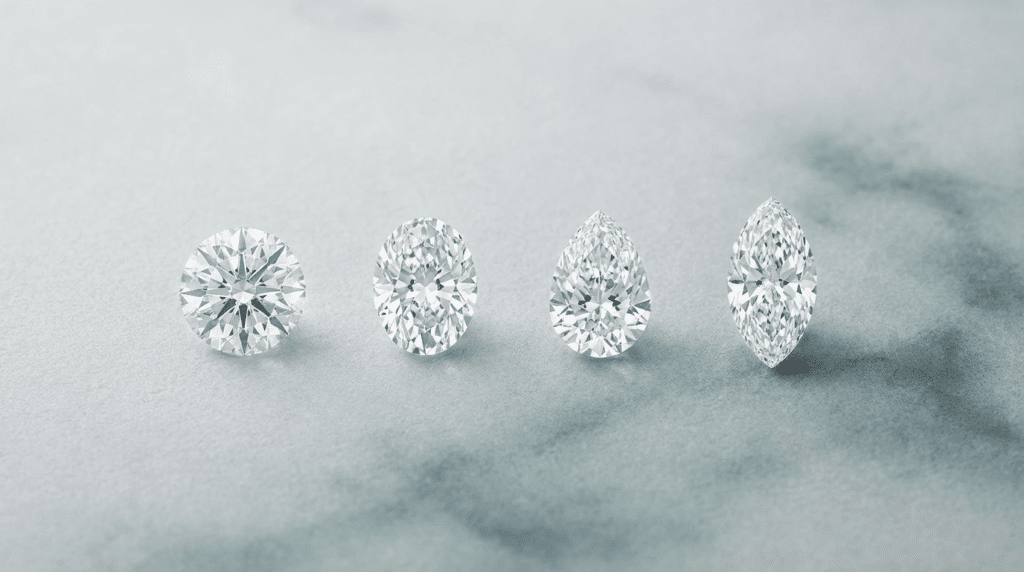
Carat measures weight, not face-up beauty by itself. While a larger diamond naturally creates more presence, the way that size is perceived depends on more than the number on a grading report. Cut quality, shape, proportions, and setting design all influence how large a diamond appears once it is worn.
This is why two diamonds with the same carat weight can look noticeably different. Some shapes have a larger face-up spread, which makes them appear bigger from the top view. Elongated shapes such as oval, pear, and marquise often create more visual length and coverage, while deeper stones may carry more of their weight where it is not as visible.
Setting design also changes visual size. A halo can make a center stone look larger, a slim band can increase contrast and presence, and delicate prongs can keep more of the diamond visually open. In many cases, the final ring design has a real effect on how substantial the diamond feels on the hand.
Some buyers care most about sparkle and visual life, while others prioritize size or overall balance. These approaches are not about right or wrong choices — they reflect different priorities in how jewelry is worn and experienced.
How to prioritize the 4Cs based on your goal
When choosing a lab-grown diamond, the best decision is usually not the highest grade in every category. It is the combination that creates the strongest overall result for your priorities, your setting, and your budget. For many shoppers, that means starting with cut, balancing color according to metal and shape, choosing clarity at an eye-clean level, and selecting carat within a range that still preserves beauty.
Best for brilliance

Sparkle First
For shoppers who care most about brightness, life, and a refined overall look.
Prioritize cut first
A strong cut has the greatest impact on brilliance, light return, and visual energy.
Keep color balanced
Choose a color grade that still looks bright in your preferred metal and shape, without overpaying for paper perfection.
Choose eye-clean clarity
Once the diamond looks clean to the eye, higher clarity grades may offer less visible value.
Select carat for overall harmony
Choose a size that preserves balance, elegance, and strong light performance rather than size alone.
For maximum brilliance, start with cut.
A strong cut helps the diamond look bright, lively, and refined.
Best for presence

Size First
For shoppers who want stronger visual presence and are more focused on face-up size.
Prioritize carat and shape spread
Focus on carat weight and shapes that create a larger face-up appearance, such as oval, pear, or marquise.
Keep cut strong enough to maintain beauty
Do not sacrifice so much cut quality that the diamond starts to look dull, flat, or lifeless.
Be more flexible on clarity once eye-clean
A practical clarity range often helps free more budget for visible size.
Balance color according to metal and setting
Choose color strategically based on white or warm metal, rather than assuming the highest color grade is always necessary.
For stronger presence, start with carat and shape.
Aim for a larger face-up look while keeping enough sparkle.
Best for most buyers

Balanced Value
For shoppers looking for the strongest overall balance between beauty, wearability, and budget.
Choose a strong cut
Start with cut to preserve sparkle, visual life, and overall beauty.
Stay within a practical color range
Select a color grade that looks bright in your chosen setting without paying for unnecessary upgrades.
Aim for eye-clean clarity
Focus on a clean visual result rather than clarity grades that matter only under magnification.
Select carat within budget
Choose a size that fits your priorities while keeping the whole diamond visually balanced.
For most buyers, balance matters most.
Choose strong cut, practical color, eye-clean clarity, and suitable carat.
Now that you understand the 4Cs, explore with more confidence
Whether you’re choosing a loose lab-grown diamond or planning a custom ring, a better result starts with knowing what to prioritize—and what not to overpay for.
The strongest diamond decision is usually not the highest grade on paper, but the most balanced result for how the jewelry will actually look, feel, and be worn.