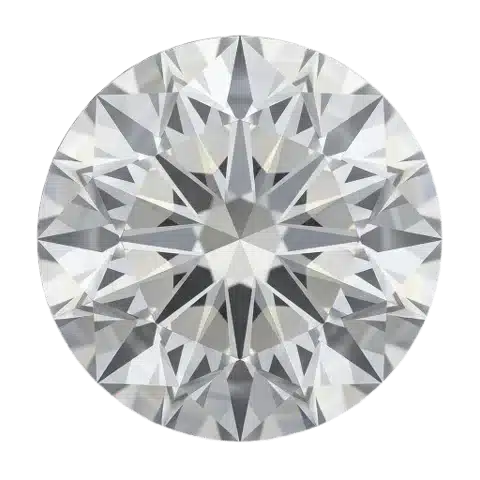
 Loose lab-grown diamonds10 shapes · IGI, GIA or NGTC reports
Lab-Grown Diamond Tennis Bracelets Wholesale: A Guide for Retailers and Brands
- Specifications to define per SKU
- Total weight, stone size and count
- Stone matching
- Clasp and construction
- Metal and price points
- Documentation and disclosure
- Inspection before shipment
- Lab-grown vs natural tennis bracelets for retail
- Common production issues and how to prevent them
- Tennis bracelet questions
- Send stone size and count, not only TCW
Two quotes arrive for a “5 ct, 7 inch” lab-grown tennis bracelet. One uses about 48 stones of 3.0 mm, the other about 70 stones of 2.7 mm with more metal between them. Both are 5 ct. On the wrist they look like different products, take different amounts of setting work and are priced differently. The quote that only said “5 ct” described neither.
Tennis bracelets are one of the strongest lab-grown product lines for retailers, because lab-grown makes larger total carat weights affordable. For wholesale, define each SKU precisely: total carat weight, stone size and count, color and clarity range, setting style, metal and weight, length, and clasp. Then approve a sample and inspect production for matching, stone security and clasp function.
Specifications to define per SKU
Swipe the table to see more →
| Spec | Example | What it controls |
|---|---|---|
| Total carat weight | 3.00 ct | Headline for the customer |
| Stone size and count | 2.7 mm × 48 stones | Look and consistency |
| Shape | Round, oval, emerald, princess | Style |
| Color range | E–F, F–G, G–H | Matching across the line |
| Clarity range | VVS–VS, VS–SI | Visual quality |
| Setting | 4-prong, 3-prong, bezel, channel | Look and security |
| Metal and color | 14K white, yellow, rose; 18K; platinum | Price point, durability |
| Metal weight range | e.g. ±5% | Cost control |
| Length | 6.5 / 7 / 7.5 in | Sizing |
| Clasp | Box clasp with one or two safety latches | Security |
| Stamping | Karat, brand mark | Compliance, branding |
| Documentation | Bracelet description; reports if required | Disclosure |
Total weight, stone size and count
Total carat weight depends on stone size and how many stones fit the length. For a 7 in bracelet, a rough guide:
Swipe the table to see more →
| TCW | Approx. stone size | Approx. count |
|---|---|---|
| 2 ct | 2.0 mm | ~65 |
| 3 ct | 2.5 mm | ~50 |
| 5 ct | 3.0 mm | ~48 |
| 7 ct | 3.5 mm | ~44 |
| 10 ct | 4.0 mm | ~40 |
These assume well-cut rounds set close together; exact figures depend on the setting and spacing. State stone size and count in the SKU spec, not only TCW.
Stone matching
Every stone in a bracelet should match in size, color and brightness. For wholesale, define the color and clarity range and calibrated size tolerance, and approve a sample. See melee and calibrated stones.
Clasp and construction
- Box clasp with a figure-eight or side safety latch is standard; double safety for higher TCW.
- Links should articulate smoothly without gaps or kinks.
- Each stone should be held securely.
Metal and price points
14K gold is the most common choice for tennis bracelets: durable and cost-efficient. 18K and platinum suit premium lines. Agree metal weight ranges per SKU so pricing stays consistent.
Documentation and disclosure
Stones in tennis bracelets usually are not individually reported. Documentation states TCW, stone count, quality range and lab-grown origin. Some laboratories offer reports for complete jewelry; specify it if you need one. Make sure tags and listings say “lab-grown diamond.”
Inspection before shipment
Lab-grown vs natural tennis bracelets for retail
Lab-grown makes higher total carat weights accessible, which is why many retailers offer 3 to 10 ct lab-grown lines alongside smaller natural pieces. Keep the two clearly separated on tags and listings, and describe each stone type accurately.
Common production issues and how to prevent them
Swipe the table to see more →
| Issue | Prevention |
|---|---|
| Uneven stone heights | Calibrated stones, tight size tolerance |
| Visible color differences | Narrow color range, matched parcel |
| Loose stones | Setting checks on every piece |
| Kinked links | Articulation check before shipping |
| Clasp opening | Test clasp and latch on every piece |
Tennis bracelet questions
What TCW sells best in lab-grown tennis bracelets?
It depends on your market. Many retailers carry a range, for example 2 to 10 ct.
Can bracelets be made in different lengths?
Yes. Specify lengths per SKU.
Do wholesale tennis bracelets come with reports?
Usually a bracelet description. Reports for complete pieces can be arranged where required.
What causes uneven stones in a tennis bracelet?
Usually wide size tolerances or inconsistent setting. Specify calibrated stones and inspect each piece.
Send stone size and count, not only TCW
For each SKU, send the total weight, stone size and count, color and clarity range, setting, metal, lengths and clasp, and ask for a sample to approve before production. NUVU supplies calibrated lab-grown stones checked against agreed tolerances to industry practice, and finished jewelry. Logo, labels and packaging can be added for private label orders; see private label. Send your requirements or WhatsApp / WeChat +86 191 1840 3930.
Sources

11+ years supporting global clients with lab-grown diamond product consultation and market analysis.
About NUVU. NUVU is the international brand of New Perspective Superhard Materials Co., Ltd. in Zhecheng, Henan, China. We grow HPHT lab-grown diamonds in-house and cut, polish and match stones in our own workshop.
Related Guides
Lab-Grown Diamond Bracelets: Tennis, Bangles & Custom
How to choose a lab-grown diamond tennis bracelet or bangle: carat weight vs stone size, matching, clasp…
Read more →NUVUPrivate Label Lab-Grown Diamond Jewelry Manufacturer
OEM and private label lab-grown diamond jewelry: rings, earrings, pendants and bracelets made to your…
Read more →NUVULab-Grown Diamond Fine Jewelry: Earrings & Necklaces
Lab-grown diamond earrings, pendants, necklaces and bracelets in gold and platinum.
Read more →