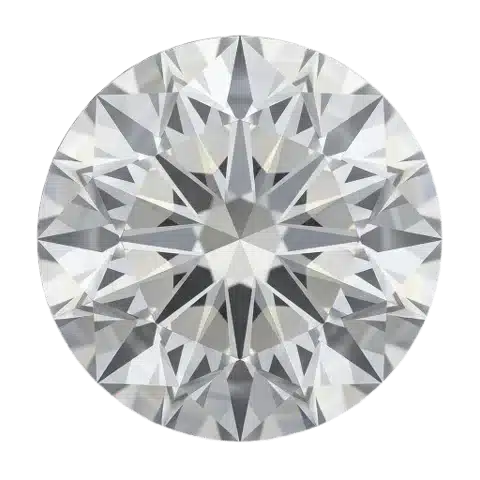
 Loose lab-grown diamonds10 shapes · IGI, GIA or NGTC reports
Lab-Grown Diamond Necklaces & Pendants
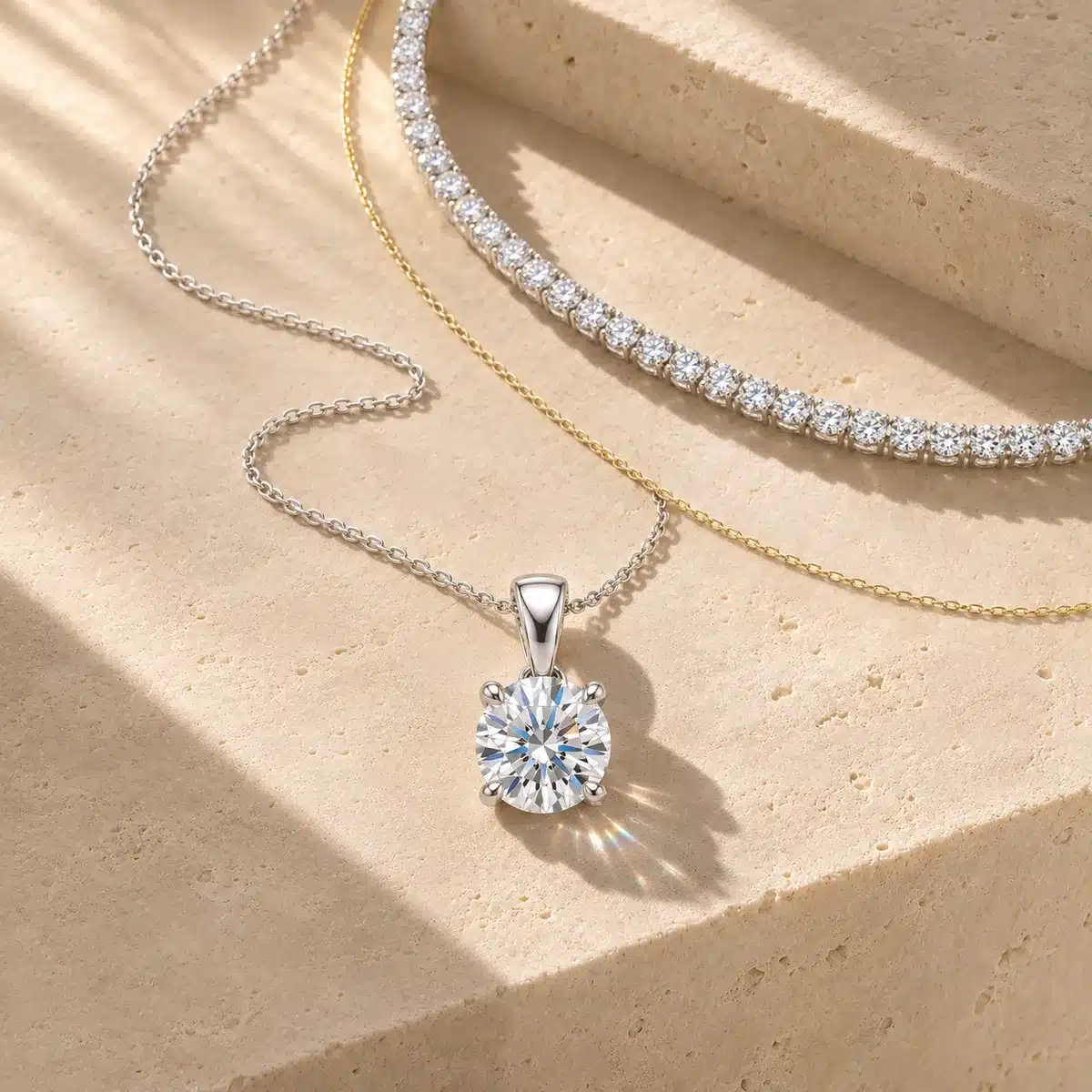
Lab-grown diamond necklaces and pendants in four families: solitaire pendants, halo pendants, solitaire necklaces with the stone fixed to the chain, and tennis necklaces set with diamonds all the way around. Each comes in white, yellow or rose gold or in platinum, with the chain made to the length you choose. The center stones span ten shapes, from round and oval to pear, marquise, emerald and heart, and roughly 40% of the collection is fancy color: yellow, pink, blue, champagne and black. Pick a piece below, change the stone, metal or chain, or send your own design. IGI, GIA or NGTC reports are available on request for center stones.
Get a Quote · Necklace and pendant guide · Loose lab-grown diamonds
Pendant or Necklace?
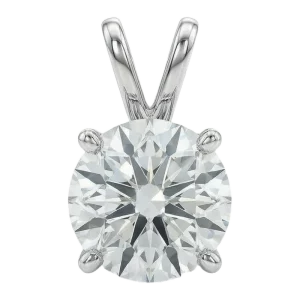
A pendant hangs from a bail; a necklace has the stones built into the chain. Both are below.
All 127 pieces on this page, by name
- Rose Gold Heart Lab-Grown Diamond Pendant
- Rose Gold Radiant Solitaire Lab-Grown Diamond Necklace
- Rose Gold Asscher Lab-Grown Diamond Pendant
- Rose Gold Heart Solitaire Lab-Grown Diamond Necklace
- Rose Gold Radiant Lab-Grown Diamond Pendant
- Rose Gold Asscher Solitaire Lab-Grown Diamond Necklace
- Rose Gold Emerald Lab-Grown Diamond Pendant
- Rose Gold Emerald Solitaire Lab-Grown Diamond Necklace
- Yellow Gold Heart Lab-Grown Diamond Pendant
- Yellow Gold Heart Solitaire Lab-Grown Diamond Necklace
- Yellow Gold Asscher Lab-Grown Diamond Pendant
- Yellow Gold Asscher Solitaire Lab-Grown Diamond Necklace
- Yellow Gold Radiant Lab-Grown Diamond Pendant
- Yellow Gold Radiant Solitaire Lab-Grown Diamond Necklace
- Yellow Gold Emerald Lab-Grown Diamond Pendant
- Yellow Gold Emerald Solitaire Lab-Grown Diamond Necklace
- White Gold Asscher Lab-Grown Diamond Pendant
- White Gold Asscher Solitaire Lab-Grown Diamond Necklace
- White Gold Radiant Lab-Grown Diamond Pendant
- White Gold Radiant Solitaire Lab-Grown Diamond Necklace
- Platinum Heart Lab-Grown Diamond Pendant
- Platinum Heart Solitaire Lab-Grown Diamond Necklace
- Platinum Asscher Lab-Grown Diamond Pendant
- Platinum Asscher Solitaire Lab-Grown Diamond Necklace
- Platinum Marquise Lab-Grown Diamond Pendant
- Platinum Marquise Solitaire Lab-Grown Diamond Necklace
- Platinum Radiant Lab-Grown Diamond Pendant
- Platinum Radiant Solitaire Lab-Grown Diamond Necklace
- Platinum Princess Lab-Grown Diamond Pendant
- Platinum Princess Solitaire Lab-Grown Diamond Necklace
- Platinum Emerald Lab-Grown Diamond Pendant
- Platinum Emerald Solitaire Lab-Grown Diamond Necklace
- Marquise Lab-Grown Diamond Pendant Necklace
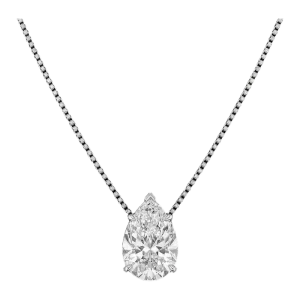
- Pear Solitaire Lab-Grown Diamond Necklace
- Princess Lab-Grown Diamond Pendant Necklace
- Cushion Solitaire Lab-Grown Diamond Necklace
- Oval Lab-Grown Diamond Pendant
- Yellow Gold Round Solitaire Lab-Grown Diamond Necklace
- Princess Lab-Grown Diamond Pendant
- Rose Gold Round Solitaire Lab-Grown Diamond Necklace
- Marquise Lab-Grown Diamond Pendant
- Yellow Gold Pear Solitaire Lab-Grown Diamond Necklace
- Cushion Lab-Grown Diamond Pendant
- Rose Gold Pear Solitaire Lab-Grown Diamond Necklace
- Yellow Gold Round Solitaire Lab-Grown Diamond Pendant
- Heart Solitaire Lab-Grown Diamond Necklace
- Rose Gold Round Solitaire Lab-Grown Diamond Pendant
- Marquise Solitaire Lab-Grown Diamond Necklace
- Yellow Gold Princess Lab-Grown Diamond Pendant
- Princess Solitaire Lab-Grown Diamond Necklace
- Rose Gold Princess Lab-Grown Diamond Pendant
- Yellow Gold Cushion Solitaire Lab-Grown Diamond Necklace
- Rose Gold Marquise Lab-Grown Diamond Pendant
- Rose Gold Cushion Solitaire Lab-Grown Diamond Necklace
- Yellow Gold Marquise Lab-Grown Diamond Pendant
- Bezel Round Lab-Grown Diamond Tennis Necklace
- Cushion Lab-Grown Diamond Pendant Necklace
- Graduated Round Lab-Grown Diamond Tennis Necklace
- Round Halo Lab-Grown Diamond Pendant
- Men’s Lab-Grown Diamond Tennis Chain
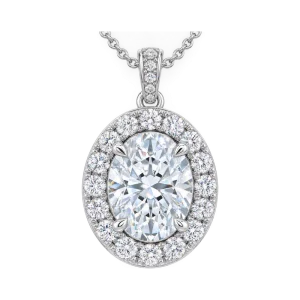
- Oval Halo Lab-Grown Diamond Pendant
- Cushion Halo Lab-Grown Diamond Pendant
- Emerald Halo Lab-Grown Diamond Pendant
- Rose Gold Oval Lab-Grown Diamond Pendant
- Yellow Gold Marquise Lab-Grown Diamond Pendant Necklace
- Rose Gold Marquise Lab-Grown Diamond Pendant Necklace
- Yellow Gold Oval Lab-Grown Diamond Pendant
- Round Cluster Lab-Grown Diamond Pendant
- Platinum Round Solitaire Lab-Grown Diamond Pendant
- Platinum Lab-Grown Diamond Station Necklace
- Platinum Oval Lab-Grown Diamond Pendant Necklace
- Platinum Lab-Grown Diamond Tennis Necklace
- Platinum Pear Lab-Grown Diamond Pendant Necklace
- Tennis Lab-Grown Diamond Necklace
- Platinum Cushion Lab-Grown Diamond Pendant Necklace
- Round Solitaire Lab-Grown Diamond Necklace
- Emerald Lab-Grown Diamond Pendant Necklace
- Oval Solitaire Lab-Grown Diamond Necklace
- Round Solitaire Lab-Grown Diamond Pendant
- Pear Drop Lab-Grown Diamond Pendant
- Emerald Lab-Grown Diamond Pendant
- Heart Lab-Grown Diamond Pendant
- Fancy Champagne Oval Lab-Grown Diamond Pendant
- Fancy Pink Cushion Solitaire Lab-Grown Diamond Necklace
- Fancy Champagne Cushion Lab-Grown Diamond Pendant
- Fancy Pink Pear Solitaire Lab-Grown Diamond Necklace
- Fancy Champagne Pear Lab-Grown Diamond Pendant
- Fancy Yellow Marquise Lab-Grown Diamond Necklace
- Fancy Champagne Pear Drop Lab-Grown Diamond Pendant
- Fancy Black Round Solitaire Lab-Grown Diamond Necklace
- Fancy Champagne Heart Lab-Grown Diamond Pendant
- Fancy Black Cushion Solitaire Lab-Grown Diamond Necklace
- Fancy Blue Pear Drop Lab-Grown Diamond Pendant
- Fancy Black Pear Solitaire Lab-Grown Diamond Necklace
- Fancy Blue Pear Lab-Grown Diamond Pendant
- Fancy Black Marquise Lab-Grown Diamond Necklace
- Fancy Blue Cushion Lab-Grown Diamond Pendant
- Fancy Blue Round Solitaire Lab-Grown Diamond Necklace
- Fancy Blue Oval Lab-Grown Diamond Pendant
- Fancy Blue Cushion Solitaire Lab-Grown Diamond Necklace
- Fancy Blue Heart Lab-Grown Diamond Pendant
- Fancy Blue Pear Solitaire Lab-Grown Diamond Necklace
- Fancy Black Pear Drop Lab-Grown Diamond Pendant
- Fancy Blue Marquise Lab-Grown Diamond Necklace
- Fancy Black Pear Lab-Grown Diamond Pendant
- Fancy Champagne Round Solitaire Lab-Grown Diamond Necklace
- Fancy Black Cushion Lab-Grown Diamond Pendant
- Fancy Champagne Cushion Solitaire Lab-Grown Diamond Necklace
- Fancy Black Oval Lab-Grown Diamond Pendant
- Fancy Champagne Pear Solitaire Lab-Grown Diamond Necklace
- Fancy Black Heart Lab-Grown Diamond Pendant
- Fancy Champagne Marquise Lab-Grown Diamond Necklace
- Fancy Yellow Pear Drop Lab-Grown Diamond Pendant
- Fancy Yellow Round Solitaire Lab-Grown Diamond Necklace
- Fancy Yellow Cushion Lab-Grown Diamond Pendant
- Fancy Pink Round Solitaire Lab-Grown Diamond Necklace
- Fancy Pink Pear Lab-Grown Diamond Pendant
- Fancy Yellow Cushion Solitaire Lab-Grown Diamond Necklace
- Fancy Yellow Pear Lab-Grown Diamond Pendant
- Fancy Yellow Pear Solitaire Lab-Grown Diamond Necklace
- Fancy Pink Heart Lab-Grown Diamond Pendant
- Fancy Pink Marquise Lab-Grown Diamond Necklace
- Fancy Pink Pear Drop Lab-Grown Diamond Pendant
- Fancy Pink Oval Lab-Grown Diamond Pendant
- Fancy Yellow Heart Lab-Grown Diamond Pendant
- Fancy Yellow Oval Lab-Grown Diamond Pendant
- Fancy Pink Cushion Lab-Grown Diamond Pendant
Necklace or Pendant: What Is the Difference?
The two words are often used for the same thing, but in this collection they describe how the stone meets the chain.
| Pendant | Necklace | |
|---|---|---|
| How it is built | The stone’s setting hangs from a bail, a small loop the chain passes through | The setting is joined to the chain on both sides, or stones are set along the chain itself |
| On the neck | The pendant can slide along the chain | The stone stays centered |
| Chain | Can be swapped for another chain later | Comes as one piece |
| In this collection | Solitaire, halo and drop pendants | Solitaire, station and tennis necklaces |
If you are matching an existing chain, a pendant is the simpler choice. If you want the stone to sit in the same place every time you wear it, choose a necklace.
Tennis Necklaces
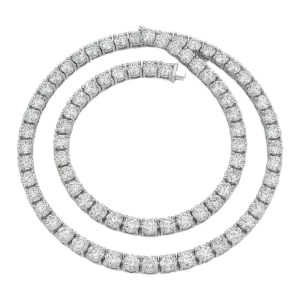
A tennis necklace takes the idea of the tennis bracelet around the neck: one continuous row of matched lab-grown diamonds, each in its own setting. It carries more stones than any other piece in the collection, so the quote starts from three numbers: the length, the stone size and the total carat weight.
- Length: choose where the line should sit; a shorter length lies close to the base of the neck, a longer one drops lower on the collarbone.
- Stone size: even all the way round, or graduated so the stones grow toward the front.
- Clasp: a secure clasp with a safety catch, the same protection GIA recommends for tennis bracelets.
- Settings: prong settings show more of each stone; bezel versions put a thin rim of metal around each stone.
The tennis necklaces in the list (classic, bezel and graduated, plus a men’s tennis chain) are starting points; length, stone size and metal can all change. A matching tennis bracelet can be made from the same parcel of stones so the two pieces match in color.
Chains, Bails and Lengths
None of our pendants is tied to one chain. When you order, tell us:
- Chain length. 16 and 18 inches are common choices for pendants; other lengths are made on request.
- Chain style. A fine chain suits a small solitaire; a larger stone looks better balanced on a slightly heavier chain.
- Bail. A fixed bail keeps the pendant facing forward; a hinged bail lets it sit more flexibly.
- Metal match. The chain normally matches the setting, but a white gold head on a yellow gold chain keeps a colorless stone looking white.
Fancy-Color Pendants and Necklaces
Yellow, pink, blue, champagne and black stones are offered as solitaire pendants, drop pendants and solitaire necklaces. Each colored stone is invoiced with its origin of color. Depending on the stone, yellow and blue may come straight from growth or from treatment, while a pink hue can be the result of post-growth treatment. See the yellow, pink and blue lab-grown diamond pages for the loose stones behind these pieces.
How to Choose a Lab-Grown Diamond Necklace
Lab-Grown Diamond Necklace Questions
Guides:
Are lab-grown diamond necklaces diamonds?
What is the difference between a necklace and a pendant?
What chain length should I choose for a pendant?
What is a tennis necklace?
Can I get a pendant to match my earrings?
Do necklaces come with a report?
Lab-Grown Diamond Necklaces for Retailers and Brands
Solitaire pendants work well in a retail range because the same design can be offered across a ladder of stone sizes. For retail and private label orders we set per SKU:
- Stone size ladder: for example 0.50 / 0.75 / 1.00 ct center stones in one design, each with an agreed color and clarity range.
- Chain and clasp: length, style and clasp fixed on the approved sample.
- Tennis necklaces: stone size, count and length per SKU, with the stones for each piece matched as a set.
- Branding and terms: your logo, tags and boxes; NDA available; samples charged at cost; no fixed minimum order.
Lead times, before international transit: a new sample 10–15 business days, OEM small batches 20–35. The quote confirms the date.
Sources: GIA: Buying a quality diamond · GIA: How the tennis bracelet got its name · FTC Jewelry Guides, 16 CFR 23.18: weight and total weight · FTC Jewelry Guides, 16 CFR 23.12: definition of diamond and lab-grown qualifiers
Thank you
We’ll reply within one business day with price, stone options and delivery time.