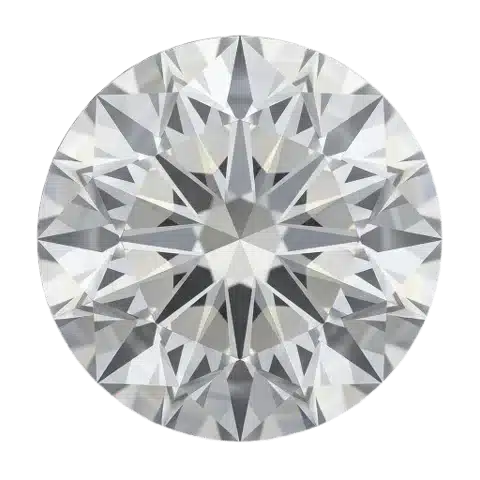
 Loose lab-grown diamonds10 shapes · IGI, GIA or NGTC reports
Lab-Grown Diamond Tennis Bracelets
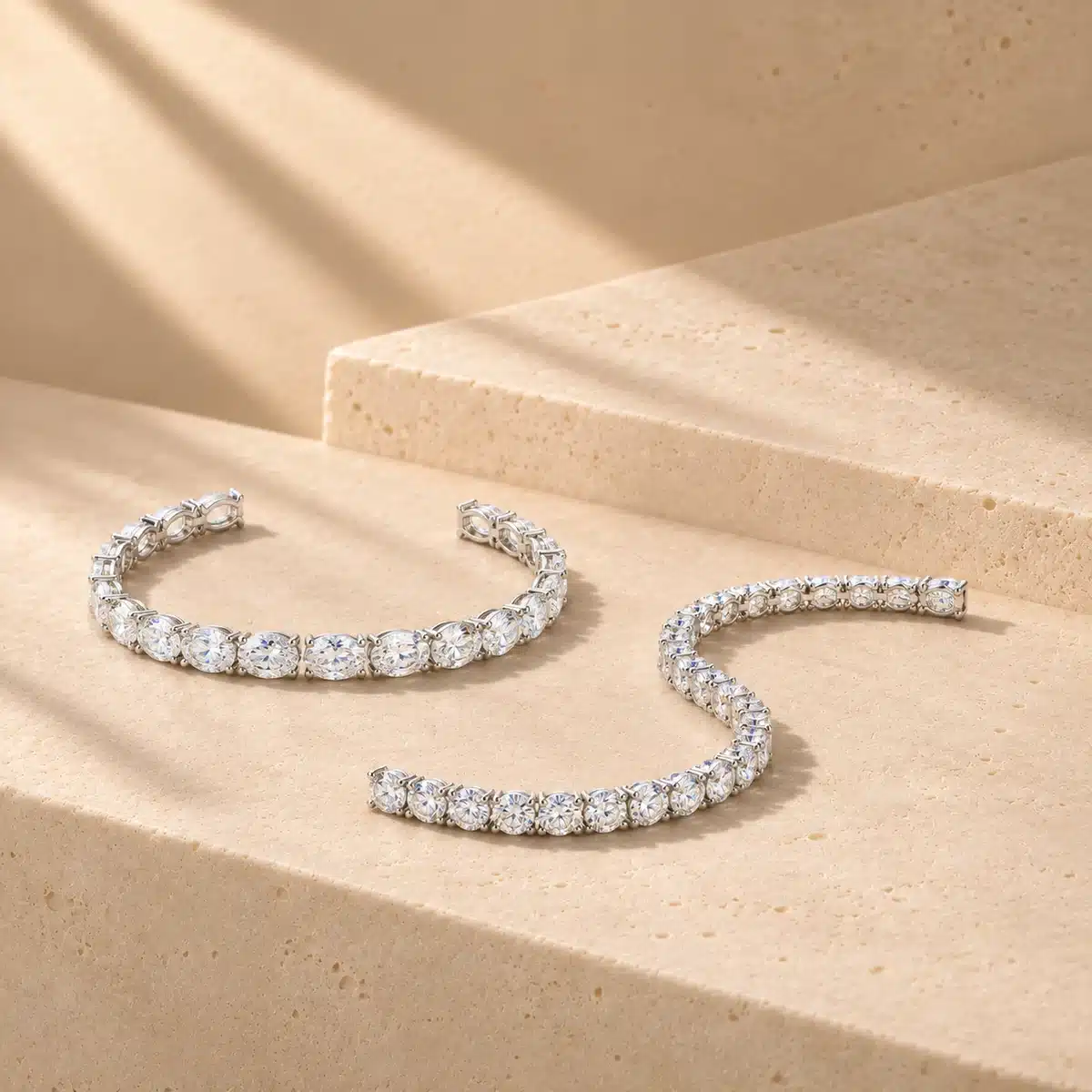
Lab-grown diamond tennis bracelets: a single, flexible row of matched lab-grown diamonds, each in its own setting, made in white, yellow or rose gold or in platinum. The line comes in eleven stone shapes, from classic round brilliants to ovals, emerald cuts, pears, hearts and slim baguettes. Every bracelet is made to your wrist length and carat weight, so we quote each one rather than sell a fixed size. Choose a style below and tell us the length, the total carat weight or stone size, and the metal. IGI, GIA or NGTC reports are available on request.
Get a Quote · Tennis bracelets wholesale · Bracelet buying guide
One Line, Eleven Shapes
Every bracelet here is a single row of matched lab-grown diamonds. The shape sets the look.
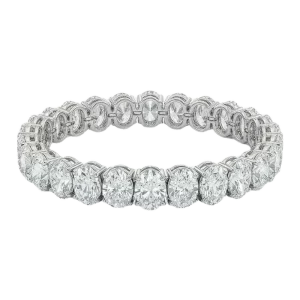
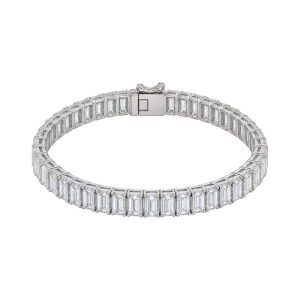
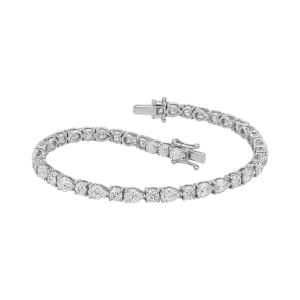
All 46 pieces on this page, by name
- Rose Gold Heart Lab-Grown Diamond Bracelet
- Rose Gold Asscher Lab-Grown Diamond Bracelet
- Rose Gold Marquise Lab-Grown Diamond Bracelet
- Rose Gold Pear Lab-Grown Diamond Bracelet
- Rose Gold Radiant Lab-Grown Diamond Bracelet
- Rose Gold Emerald Lab-Grown Diamond Bracelet
- Rose Gold Oval Lab-Grown Diamond Bracelet
- Yellow Gold Heart Lab-Grown Diamond Bracelet
- Yellow Gold Asscher Lab-Grown Diamond Bracelet
- Yellow Gold Marquise Lab-Grown Diamond Bracelet
- Yellow Gold Pear Lab-Grown Diamond Bracelet
- Yellow Gold Radiant Lab-Grown Diamond Bracelet
- Yellow Gold Emerald Lab-Grown Diamond Bracelet
- Yellow Gold Oval Lab-Grown Diamond Bracelet
- White Gold Radiant Lab-Grown Diamond Bracelet
- White Gold Asscher Lab-Grown Diamond Bracelet
- White Gold Marquise Lab-Grown Diamond Bracelet
- Platinum Heart Lab-Grown Diamond Bracelet
- Platinum Asscher Lab-Grown Diamond Bracelet
- Platinum Marquise Lab-Grown Diamond Bracelet
- Platinum Pear Lab-Grown Diamond Bracelet
- Platinum Radiant Lab-Grown Diamond Bracelet
- Platinum Princess Lab-Grown Diamond Bracelet
- Platinum Cushion Lab-Grown Diamond Bracelet
- Platinum Emerald Lab-Grown Diamond Bracelet
- Platinum Oval Lab-Grown Diamond Bracelet
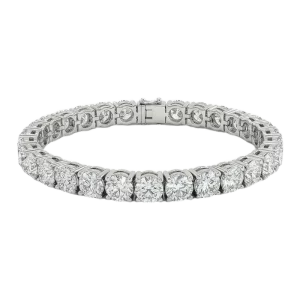
- Round Tennis Lab-Grown Diamond Bracelet
- Pear and Round Lab-Grown Diamond Tennis Bracelet
- Lab-Grown Diamond Bracelet Cushion
- Lab-Grown Diamond Bracelet Princess
- Lab-Grown Diamond Bracelet
- Yellow Gold Round Tennis Lab-Grown Diamond Bracelet
- Rose Gold Round Tennis Lab-Grown Diamond Bracelet
- Cushion Lab-Grown Diamond Bracelet – Yellow Gold
- Cushion Lab-Grown Diamond Bracelet – Rose Gold
- Princess Lab-Grown Diamond Bracelet – Yellow Gold
- Princess Lab-Grown Diamond Bracelet – Rose Gold
- Bezel Round Lab-Grown Diamond Tennis Bracelet
- East-West Oval Lab-Grown Diamond Tennis Bracelet
- Graduated Round Lab-Grown Diamond Tennis Bracelet
- Men’s Lab-Grown Diamond Tennis Bracelet
- Platinum Lab-Grown Diamond Tennis Bracelet
- Platinum Baguette Lab-Grown Diamond Bracelet
- Oval Lab-Grown Diamond Bracelet
- Emerald Lab-Grown Diamond Bracelet
- Heart Lab-Grown Diamond Bracelet
What Makes a Tennis Bracelet
GIA describes the tennis bracelet as a line bracelet set with diamonds. The name dates from the 1987 U.S. Open, when Chris Evert stopped a match because the clasp of her diamond line bracelet had broken and the bracelet had fallen off her wrist. The lesson from that story still shapes how the piece is built today: the clasp matters as much as the stones.
Three things define the style on our bench:
- One row of stones. Every stone sits in its own setting, linked to the next, so the bracelet bends with the wrist.
- Matched stones. All stones in one bracelet are chosen as a set, close in size, color and outline, so the line looks even from end to end.
- A clasp plus a safety catch. GIA’s advice is to add a safety catch on the side of the bracelet in addition to the clasp; we confirm both on the quote.
Shapes in the Line
| Shape | How the line looks | Worth knowing |
|---|---|---|
| Round | Even sparkle from every stone | The classic tennis look and the easiest to match |
| Oval | Soft outline, no corners | Stones can be set end to end or sideways (east-west) |
| Emerald and asscher | Step-cut flashes, a tailored look | Long facets show inclusions more, so plan a higher clarity |
| Radiant and princess | Square or rectangular with brilliant sparkle | Corners need secure settings |
| Pear and marquise | Points give the line direction | Choose whether the points all face one way or alternate |
| Heart | A playful outline | The outline shows clearly once stones are large enough |
| Baguette | A flat, continuous strip | Slim step cuts set side by side |
Bezel, graduated and east-west versions are in the list too, and other shapes can be made in those styles. A graduated bracelet steps the stone size up toward the center, so the middle of the wrist carries the largest stones.
Carat Weight, Stone Size and Length
A tennis bracelet is usually sold by its total carat weight, but the same total can look very different. Ten stones of 0.30 ct and thirty stones of 0.10 ct both add up to 3.00 ct, yet the first bracelet shows larger, more widely spaced stones. When you ask for a quote, send any two of these and we work out the third:
- Length. Measure the wrist and add room to move; standard lengths and custom lengths are both possible.
- Stone size. Per stone, in carats or millimeters.
- Total carat weight. The sum of every stone in the bracelet.
Weights on our quotes are written in decimals. The FTC Jewelry Guides expect a decimal weight to be accurate to its last decimal place, and a fractional weight such as “2 1/2 ct tw” needs a disclosed tolerance next to it, which is worth keeping in mind if you resell in the US.
Metal changes the feel too. Platinum is denser than gold, so the same bracelet in platinum sits heavier on the wrist than in 14K.
How to Choose a Lab-Grown Diamond Tennis Bracelet
Lab-Grown Diamond Tennis Bracelet Questions
Guides:
What is a lab-grown diamond tennis bracelet?
How many carats is a tennis bracelet?
Can I choose the length?
Do you make bezel tennis bracelets?
Do tennis bracelets come with a certificate?
How long does a tennis bracelet take?
Lab-Grown Diamond Tennis Bracelets for Retailers and Brands
Tennis bracelets are a volume line for many jewelers, and they are only as good as the matching across dozens of stones per piece. For retail and private label orders we agree per SKU:
- Stone size and count per length, not only the total carat weight.
- Color and clarity range, checked against a reference bracelet you approve.
- Clasp, safety catch and finish, confirmed on the sample before production.
- Branding: your logo, tags and boxes; NDA available; no fixed minimum order, quantities quoted per project.
For the full wholesale specification sheet, see lab-grown diamond tennis bracelets wholesale.
Sources: GIA: How the tennis bracelet got its name · FTC Jewelry Guides, 16 CFR 23.18: weight and total weight · FTC Jewelry Guides, 16 CFR 23.12: definition of diamond and lab-grown qualifiers
Thank you
We’ll reply within one business day with price, stone options and delivery time.