

For customers who appreciate the geometric elegance of the Vintage Asscher Ring, related options include the Vintage Radiant Ring, which offers a similar vintage-inspired aesthetic with a more brilliant-cut silhouette, and the Hidden Halo Princess Ring, a square-cut alternative with a sharper brilliant-cut look and modern refinement.
Product Overview
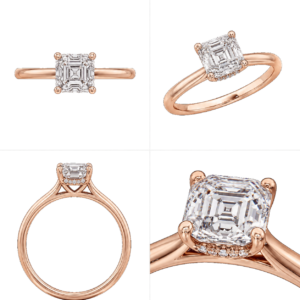
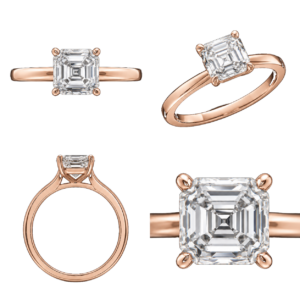
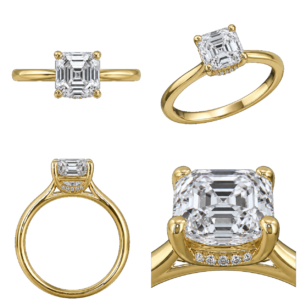
The Vintage Asscher Ring is a lab-grown diamond engagement ring that pairs a step-cut Asscher diamond shape with a vintage-inspired setting in white gold. The Asscher cut’s square outline and concentric facets create a hall-of-mirrors effect with a refined, architectural presence. Combined with the vintage setting style and bright cool tone of white gold, this ring offers a design direction suited to buyers drawn to classic proportions, visible geometry, and understated elegance.
White gold provides a neutral, versatile backdrop that lets the geometric precision of the Asscher shape remain the visual focus. The vintage setting adds decorative character without overwhelming the center stone’s clean lines. This combination may suit buyers seeking an engagement ring that feels timeless rather than trend-driven, especially when the final diamond grading, metal specifications, and documentation are confirmed before ordering.
Product Details
| Attribute | Details |
|---|---|
| Diamond Shape | Asscher |
| Diamond Type | White Diamond |
| Metal Type | White Gold |
| Setting Style | Vintage |
| Product Category | Engagement Rings, Vintage Rings |
What These Details Mean
The Asscher shape is a square step-cut with cropped corners, known for its clean geometry and understated sparkle compared to brilliant cuts. Its broad, open table and windmill-like facet pattern reward close viewing and tend to appeal to buyers who value clarity, symmetry, and structure over fiery dispersion. In a vintage setting, this shape gains additional design context that emphasizes craft, proportion, and a quieter style of diamond presence.
White gold contributes a bright, cool-toned metal backdrop that complements the clear appearance of a white lab-grown diamond. A vintage setting style may include decorative or period-inspired design cues, but the exact construction should be verified through product images or direct inquiry rather than assumed. Together, these attributes create a cohesive look that leans classic and intentional rather than contemporary minimal.
Because this product is presented as a white diamond, the visual direction centers on a bright white appearance, but no specific color grade is provided here. Buyers should confirm the specific 4Cs, including carat, color, clarity, and cut information, if exact parameters matter for their selection. The vintage setting style suggests a design with deliberate detail, though metal purity, ring size, and setting construction should be verified with the seller.
Visual Selection Guidance
Buyers considering the Vintage Asscher Ring often gravitate toward the shape’s restrained elegance and the setting’s historical resonance. The Asscher cut’s square silhouette gives the ring a composed, balanced look on the finger, making it a viable choice for those who prefer a structured profile rather than a highly brilliant outline. White gold reinforces this crisp, clean aesthetic and pairs easily with existing jewelry in platinum or silver tones.
This design direction may suit buyers who want an engagement ring that reads as sophisticated without shouting. The vintage setting can soften the Asscher’s geometric severity, adding warmth through detail work where present. Before finalizing, it is worth confirming how the setting’s decorative elements interact with the stone’s table size, how the Asscher symmetry appears in images or video, and whether the overall proportions match personal wearing preferences.
Style and Wearing Fit
The vintage setting style on this engagement ring adds visual interest through detail rather than relying on broad sparkle claims. It frames the Asscher center with a sense of intention and craft that references earlier design eras without requiring a strict period reproduction. This can create a ring that feels personal and considered, suitable for buyers who want a distinctive diamond ring for daily wear as well as formal occasions.
White gold’s bright, neutral tone keeps the focus on the diamond and the setting’s architectural qualities. Buyers who prefer warm or romantic metal tones may want to inquire whether yellow gold or rose gold alternatives are available. The Asscher shape’s broad facets and open table mean the stone’s visual performance is highly dependent on cut precision, symmetry, and clarity, all of which should be confirmed before purchase.
Certification and Documentation
Because this product’s data does not specify a laboratory report, buyers should confirm whether a grading report or certificate is available and what grading details it includes. NUVU may support internationally recognized lab reports depending on the specific product or project, though this should be verified directly for this ring. Documentation availability, report number, and specific grading information should be reviewed before ordering if they factor into the purchase decision.
Customization and Inquiry Options
Buyers interested in adapting this design may inquire about compatible metal alternatives, diamond specification preferences, ring size needs, or documentation requirements. NUVU may support custom jewelry and project-specific adjustments depending on inquiry details and availability. Final options, production parameters, and timelines should be confirmed directly rather than assumed.
Project Application
This engagement ring design fits buyers and projects that value classic proportions, geometric clarity, and subtle decorative detail. It may also serve as a reference style for private label or wholesale programs seeking vintage-influenced engagement rings with lab-grown diamonds. The Asscher shape and white gold setting direction make documentation consistency, image review, and specification confirmation especially important before use in a custom or wholesale context.
Before Ordering
- Confirm the specific diamond grading details, including carat, color, clarity, and cut information, if exact parameters are important to your selection.
- Confirm whether a laboratory report is available, which grading institution issued it, and whether a report number can be reviewed before ordering.
- Review Asscher-specific visual factors such as table appearance, symmetry, corner shape, and the visibility of inclusions through the step-cut facet pattern.
- Verify metal karat and alloy details for the white gold setting, as these affect appearance, finish, and maintenance.
- Confirm ring size availability and whether sizing adjustments are supported for this design.
- Review setting construction details, including any decorative elements, to ensure they align with your visual expectations and daily-wear needs.
FAQ
How does the Asscher shape differ from an emerald cut?
Both are step cuts, but the Asscher is square with cropped corners and a compact geometric outline. The emerald cut is rectangular. The Asscher’s concentric facets produce a hall-of-mirrors effect that emphasizes clarity, symmetry, and structure, so grading details and close visual review matter.
What should I confirm about the vintage setting style?
Vintage settings can vary widely in decorative detail. Ask whether this ring includes period-inspired elements such as milgrain, filigree, bezel work, or engraving, and how any confirmed details affect maintenance and daily wear. Confirm the setting’s construction and stone security features before ordering.
Does white gold require special care compared to other metals?
White gold is often rhodium-plated to achieve a bright, silvery finish, which may wear over time and require re-plating. Confirm the specific alloy, metal purity, and plating details with the seller to understand long-term maintenance needs for this ring.
For those drawn to the refined geometry and vintage elegance of the Asscher cut, understanding how to pair a diamond’s shape with the right setting is essential. Explore our complete guide to learn how to choose the right stone and setting combination for your engagement ring.
Design Background
The Vintage Asscher Ring is built around the quiet structure of an Asscher-shaped white lab-grown diamond. Its square step-cut geometry gives the ring a more architectural presence than a brilliant-cut style, with visual interest coming from proportion, symmetry, and the open table rather than broad sparkle claims.
White gold supports that clean geometry with a cool, neutral metal tone. It keeps the focus on the white diamond and helps the vintage setting direction feel crisp rather than ornate or heavy. For buyers comparing white-metal engagement rings, this version is most relevant when the goal is a composed, classic profile with visible shape definition.
The vintage setting style adds a more traditional design context to the Asscher center, but exact decorative construction should be confirmed from current imagery or direct inquiry. That matters because step-cut diamonds make clarity, table appearance, and setting balance easier to notice than in many highly brilliant cuts.
This ring is best understood as a design choice for someone who prefers restrained geometry, vintage influence, and a white-metal finish. Before ordering, buyers should confirm the diamond grading details, report availability, metal purity, ring size, and any customization limits so the final ring matches both the visual preference and documentation expectations.
Why This Piece Stands Out
Asscher Step-Cut Structure
The Asscher shape gives this engagement ring a square, architectural presence. Its step-cut geometry appeals to buyers who prefer clean lines, visible proportion, and a quieter diamond look over broad brilliant-cut sparkle.
Vintage Setting Balance
The vintage setting direction adds classic character around the Asscher center without changing the ring’s structured white-diamond identity. Exact decorative construction should be reviewed in current imagery or confirmed before ordering.
White Gold, White Diamond Focus
White gold gives the ring a cool, neutral frame that keeps attention on the Asscher-shaped white lab-grown diamond. Buyers should still confirm metal purity, alloy details, and finish expectations before placing an order.
Clear Buying Checkpoints
Because step cuts make clarity, symmetry, and table appearance easier to notice, this ring is best evaluated with confirmed 4C details, report availability, ring size, and setting information rather than assumptions.
Known Flaws
- Asscher alignment should be checked in QC photos. The square step-cut shape makes table centering, corner balance, and facet symmetry easier to notice than in many brilliant cuts. For most buyers this is a moderate visual consideration, not a concern if the proportions look even in close images.
- Clarity details are not specified on this product page. Step-cut diamonds can make inclusions or internal features more visible through the open table, so confirmed 4C details and close-up imagery matter. This is moderately important for most buyers and more serious for buyers who are very sensitive to visible inclusions.
- White gold purity and finish should be confirmed before ordering. The page identifies the metal as white gold but does not state karat, alloy, or plating details, which can affect color tone, maintenance, and skin sensitivity. For most buyers this is a low-to-moderate issue, but it becomes more important for daily wear or metal-specific preferences.
- Vintage setting details are worth inspecting for comfort and durability. Decorative setting direction can affect how the ring feels against adjacent fingers, how easily it catches on fabric, and how protected the center stone appears. This is usually a moderate daily-wear consideration rather than a dealbreaker when current images and construction notes are reviewed.
- Ring size and resizing options are not provided here. Fit should be confirmed directly because vintage-inspired settings can be less straightforward to adjust depending on construction. This is a practical issue for most buyers and becomes serious if the needed size or resizing path is not confirmed before purchase.
Ways to Consider This Piece
Choosing a Step-Cut Engagement Ring
This lab-grown diamond engagement ring may make sense for a buyer who prefers the square geometry and calmer light return of an Asscher shape over a more brilliant-cut look. Before moving forward, confirm the 4Cs, table appearance, symmetry, and any available grading report details, since step cuts can make clarity and proportion easier to notice.
Vintage-Inspired Proposal Planning
The Vintage Asscher Ring fits a proposal plan built around classic structure, white gold, and a restrained vintage setting direction. Buyers should review current imagery and confirm ring size, metal purity, and setting construction so the design aligns with the wearer’s comfort and daily-use expectations.
Comparing Square Diamond Styles
This piece is useful when comparing an Asscher diamond ring against square or rectangular alternatives such as radiant or princess-style designs. The key decision is whether the buyer wants step-cut depth and visible geometry rather than sharper brilliant-cut sparkle; confirmed diamond specifications and image review should guide that choice.
Custom Design or Specification Inquiry
If this ring is being considered as a starting point for custom jewelry design, the NUVU inquiry should connect the Asscher center, white gold setting, wearer preferences, and documentation needs together. Confirm which grading details, report availability, ring size options, metal specifications, and customization limits apply before treating the design as final.

Reviews
There are no reviews yet.