
Lab-Grown vs Natural Diamonds
Understand the real differences in origin, appearance, price, transparency, sustainability, and buying priorities—without reducing the decision to one simple claim.
Lab-grown and natural diamonds are both real diamonds, but they come from different origins and often reflect different buying priorities. This guide is designed to help you understand what stays the same, what changes, and how those differences matter in a real purchase.
For many shoppers, the most important question is no longer “Which one is real?” but “Which one fits the way I want to buy?”
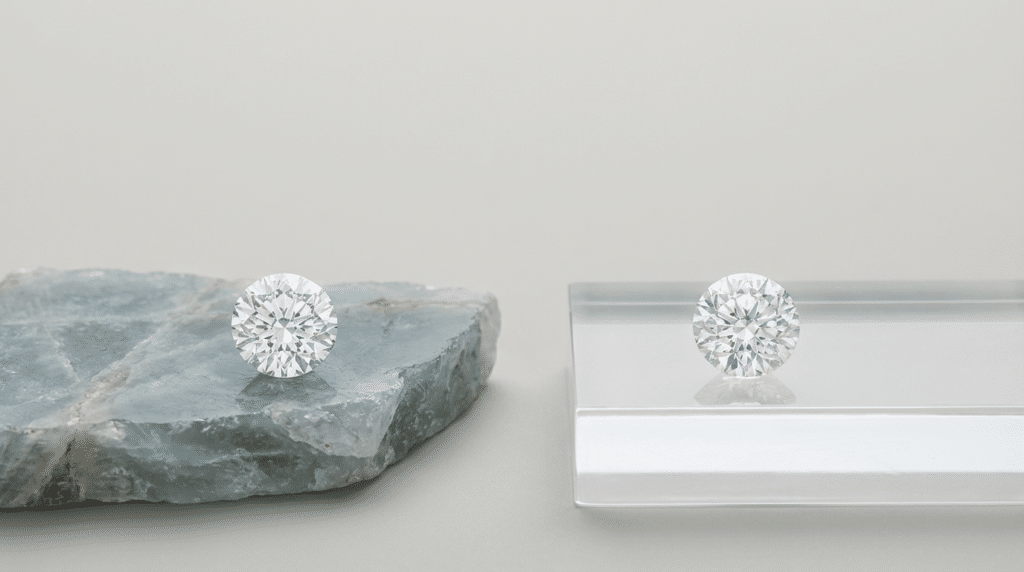
Key Takeaways Before You Compare

Both are real diamonds.
Lab-grown and natural diamonds share the same core chemical and physical properties, so the real buying question is not whether one is “real,” but how each option fits your priorities.
The biggest difference is origin.
One is formed in the earth over geological time, while the other is created in controlled conditions using advanced technology. That origin difference can shape pricing, sourcing transparency, and emotional meaning.

Lab-grown diamonds often change the value equation.
Many buyers choose them for greater flexibility in size, quality, setting design, and budget, especially when visible beauty matters more than traditional rarity.

The right choice depends on priorities, not assumptions.
Some buyers care most about rarity and natural origin. Others care more about transparency, modern sourcing, design flexibility, and visible value in the finished jewelry.
What Stays the Same
Lab-grown and natural diamonds are both real diamonds, but buyers often compare them through more than physical composition alone. Origin, appearance, price flexibility, symbolism, sourcing transparency, and long-term priorities can all influence which option feels more appropriate for a specific purchase.
For many buyers, the better question is no longer “Which one is real?” but “Which option fits how I want to choose, wear, and feel about this diamond over time?”

Both Are Real Diamonds
Neither is “fake.” Both lab-grown and natural diamonds share the same fundamental diamond identity, so the decision should move beyond the simple real-or-not question.

Same Core Composition
Both are made of carbon and share the same crystal structure, which is what defines diamond at its core. This is why origin alone does not determine whether a diamond looks beautiful.

Same Hardness and Durability
Both are suitable for long-term wear, including engagement rings and everyday fine jewelry, when the setting is designed and maintained properly.

Similar Visual Beauty
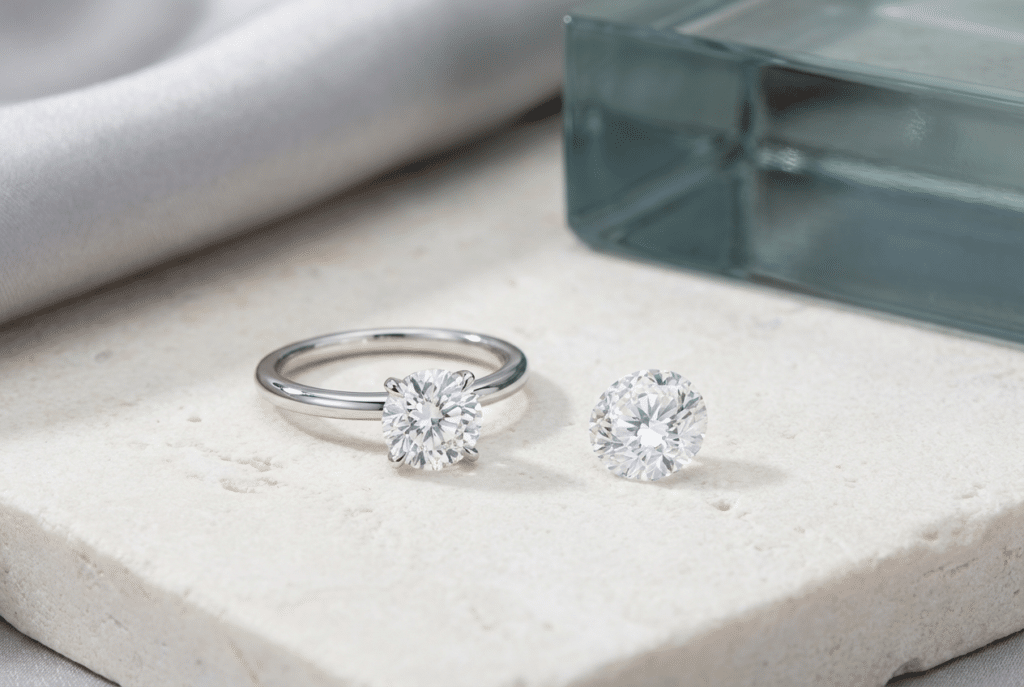
In normal viewing and daily wear, beauty is not defined by origin alone. Brilliance and overall appearance depend more on cut quality, proportions, shape, and setting design than on where the diamond came from.

- Both Are Real Diamonds
- Same Composition
- Same Hardness
- Same Brilliance
- Same Everyday Wearability
- Different Origin
For most shoppers, the more useful question is not whether one is “real” and the other is not. The better question is how origin changes the buying experience, the value equation, and the meaning behind the purchase.
Key Takeaway
Lab-grown and natural diamonds can look and perform the same in everyday wear. The meaningful difference is not whether they are real diamonds, but how they are formed, sourced, priced, and chosen.
Same diamond identity. Different origin story.
What’s Different
The biggest difference between lab-grown and natural diamonds is usually not how they look in everyday wear, but how they enter the market and what they represent in a purchase. Origin influences pricing flexibility, supply structure, sourcing transparency, consumer perception, and the kind of story a buyer may feel emotionally connected to.
Natural Diamonds
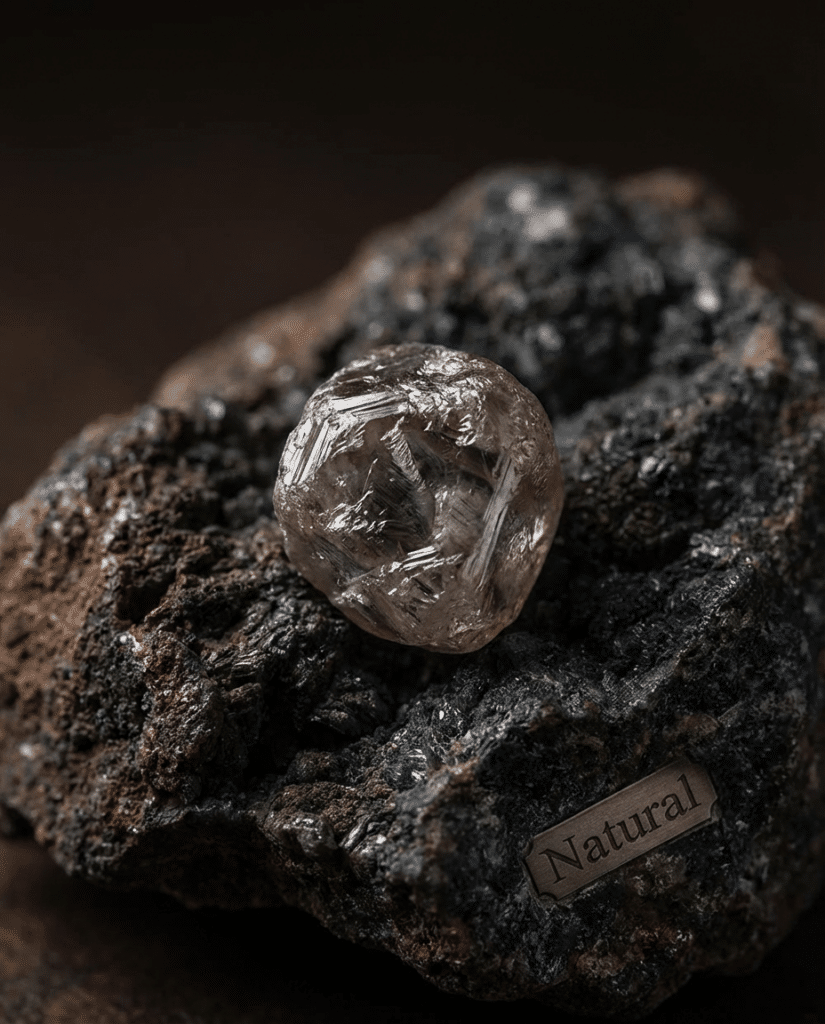
- Natural diamonds form underground over immense periods of geological time.
- Natural diamonds are tied to mining, geological availability, and traditional supply patterns.
- Natural pricing often reflects rarity, origin, supply limits, and long-established market perception.
- Natural diamonds are often associated with rarity, geological history, emotional tradition, and long-term symbolism.
Lab-Grown Diamonds
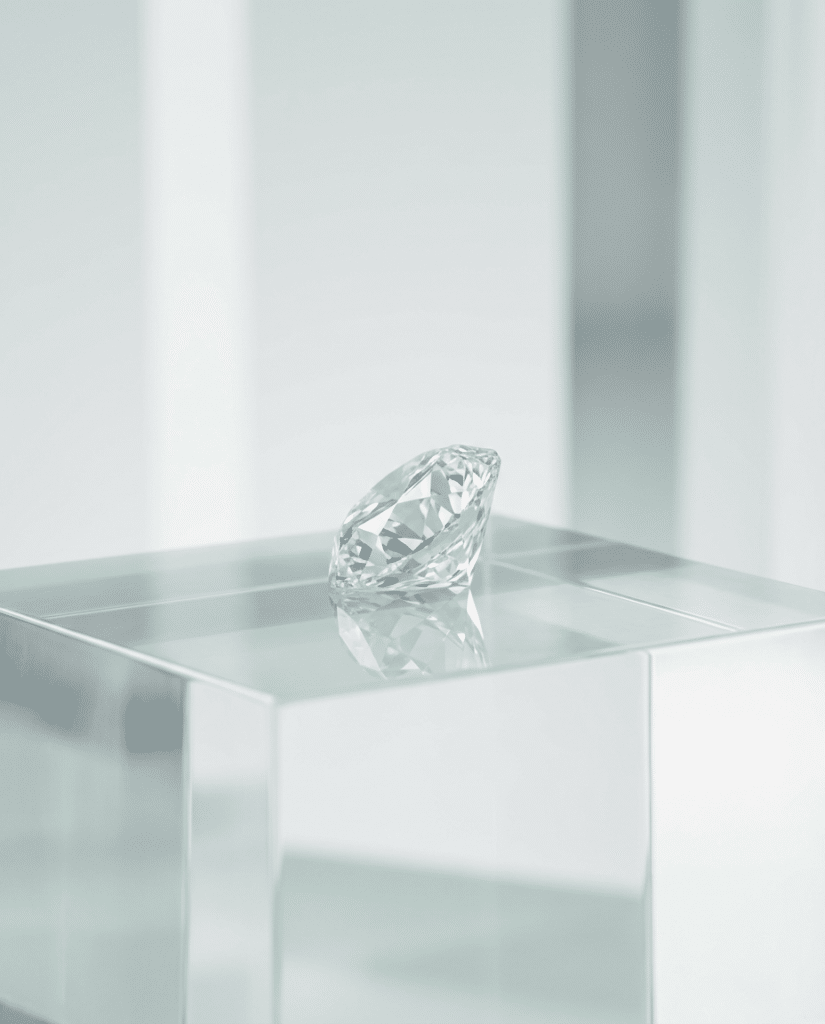
- Lab-grown diamonds are created in controlled laboratory environments.
- Lab-grown diamonds are not mined from the earth, which gives buyers a different sourcing story.
- Lab-grown pricing often reflects production method, quality grade, size, supply, and market demand.
- Often chosen for modern value, design flexibility, clearer origin, and more practical budget control.
The real comparison is not authenticity versus imitation. It is one sourcing model, value structure, emotional logic, and buying priority compared with another.
Price and Value Logic
For many buyers, lab-grown diamonds reshape the value equation by creating more flexibility within a given budget. That flexibility may appear as larger visual size, stronger practical quality, more detailed customization, or simply more freedom to design a ring without compromising the overall balance of the finished piece.
Natural diamonds, by contrast, are often valued not only for visual beauty but also for geological rarity, long-established symbolism, and the emotional meaning many buyers attach to natural origin. That means the decision is rarely just about price—it is also about what kind of story, tradition, or long-term meaning the buyer wants the purchase to carry.
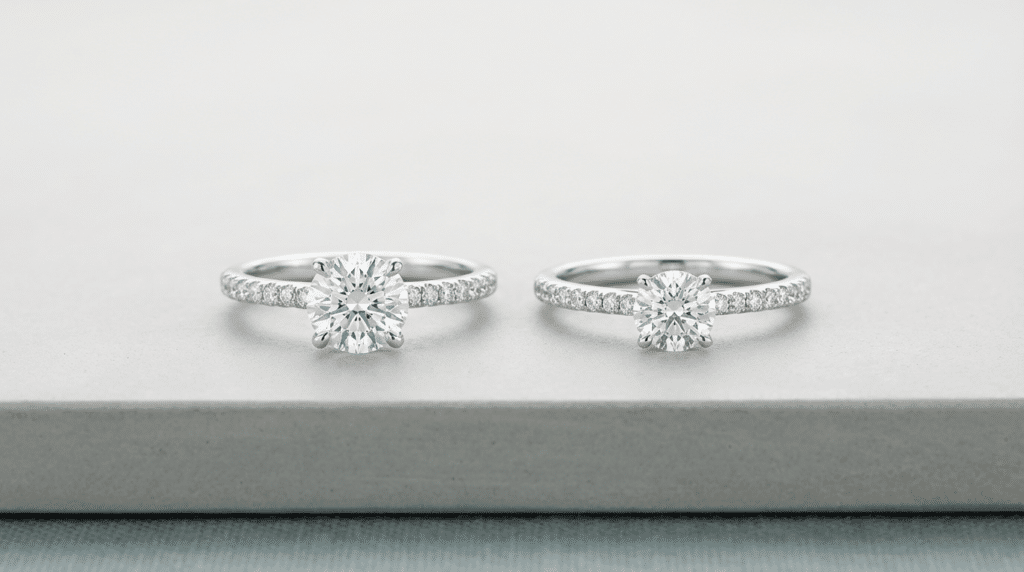
More Budget Flexibility
Lab-grown diamonds often allow buyers to balance size, quality, setting design, and customization more freely within the same overall budget range.
Different Value Priorities
Natural diamonds may appeal more strongly to buyers who place greater emotional importance on rarity, geological origin, long-established symbolism, and traditional diamond narratives.
Value Is Not Only Financial
For some buyers, value means visible beauty and practical size flexibility. For others, it may mean emotional symbolism, purchasing philosophy, sourcing perspective, or long-term satisfaction with the decision itself.
Not every buyer is optimizing for the same outcome. Some prioritize size, some prioritize rarity and origin, and others prioritize the most balanced relationship between beauty, customization, symbolism, and long-term budget comfort.
Sustainability and Transparency
For many modern buyers, sustainability is part of a broader question about how products are sourced, produced, documented, and represented. Lab-grown diamonds often appeal to shoppers who prefer a more controlled and more transparent production context, especially when clarity around sourcing and purchasing decisions matters.
That does not mean every sustainability claim should be treated as absolute or simplified into marketing language. It means many buyers now evaluate sourcing transparency, production context, manufacturing visibility, and purchasing values more carefully than before.
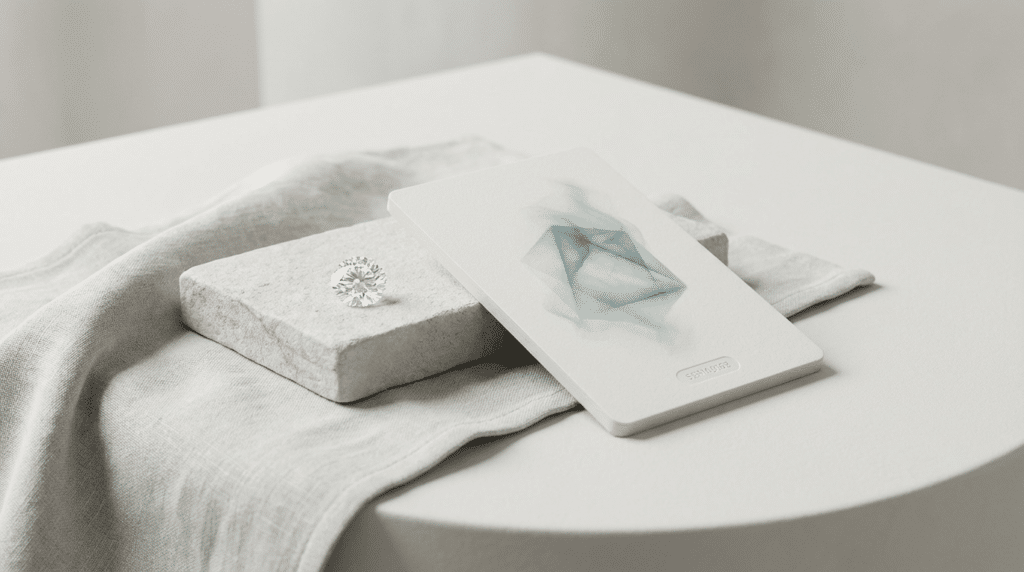

Source Clarity
Many buyers increasingly want to understand where a diamond comes from, how it was produced, and how clearly that sourcing story can actually be explained and documented.
Controlled Production
A controlled production environment often feels more understandable, traceable, and intentional to modern buyers who value sourcing visibility.

Transparent Information
Documentation, grading consistency, and transparent product presentation become more important when buyers want to compare diamonds with greater confidence and less uncertainty.

Modern Buying Values
For many buyers, the decision is not only about beauty, but also about how well a diamond aligns with their broader purchasing values, sourcing preferences, and long-term buying perspective.
At NUVU, we believe modern luxury is not only about appearance. It is also about making a purchase with more clarity, more intention, better sourcing understanding, and greater confidence in what you are actually choosing.
An Emotional and Cultural Choice, Too
For some buyers, natural diamonds carry emotional weight because of geological origin, rarity history, and longstanding cultural symbolism. For others, lab-grown diamonds feel more aligned with a modern view of jewelry buying—one that values transparency, practical flexibility, customization freedom, and a more deliberate balance between beauty, meaning, and budget.
What Natural May Represent
Geological origin, rarity, long-established symbolism, and a sense of connection to something formed naturally over immense periods of time.
What Lab-Grown May Represent
Modern sourcing transparency, design flexibility, larger visual possibilities within budget, and a more deliberate way of balancing beauty, customization, and long-term value priorities.
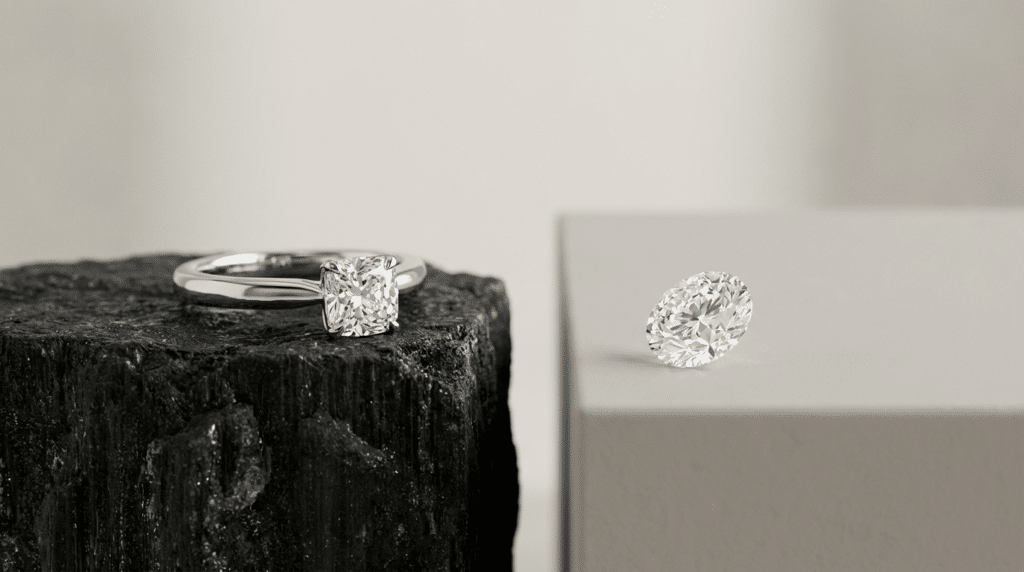
In that sense, the decision is not only about material value or appearance. It is also shaped by personal meaning, emotional preference, and what the purchase represents to the buyer.
Who Lab-Grown Diamonds Often Make the Most Sense For

Buyers Who Want More Size Flexibility
A strong option for buyers who want greater visual presence, stronger specifications, or more design flexibility within a clearly defined budget range.

Buyers Who Value Transparent Sourcing
Well suited to buyers who care about sourcing transparency, controlled production visibility, and a purchasing process that feels easier to understand and compare.

Engagement Ring Buyers Balancing Beauty And Budget
Especially relevant for couples trying to balance visible beauty, ring design priorities, long-term budget comfort, and customization flexibility together.

First-Time Diamond Jewelry Buyers
Helpful for buyers who want a real diamond option that feels easier to understand, compare across different qualities, and plan around with more financial clarity.

People Who Prioritize Visual Appearance
A compelling option for buyers who care more about the final visual result, overall ring design, and everyday wear appearance than about traditional rarity narratives alone.
Lab-grown diamonds often appeal to buyers who want real diamond beauty with more flexibility in how they allocate budget, compare quality, customize design, and think about sourcing transparency. They are especially compelling when visible beauty, thoughtful ring design, and practical purchasing clarity matter more than traditional rarity alone.
Common Questions About Lab-Grown vs Natural Diamonds
Are lab-grown diamonds real diamonds?
Yes. They have the same essential composition and physical properties as natural diamonds.
Do lab-grown diamonds look different from natural diamonds?
In normal consumer viewing, they generally do not appear different simply because of origin.
Why are lab-grown diamonds often more affordable?
Their pricing is shaped by a different supply and production model, which often creates more flexibility in size and quality for the same budget.
Are lab-grown diamonds more sustainable?
Many buyers see them as a more modern and more transparent alternative, but sustainability should be understood thoughtfully rather than through oversimplified claims.
Is natural diamond still the better choice for some buyers?
Yes. Some shoppers strongly value geological origin, rarity, and the emotional narrative associated with natural diamonds.
How do I know which option fits me better?
The best choice depends on what matters most to you: size, budget efficiency, transparency, traditional rarity, or the overall meaning of the purchase.
Choose the Diamond That Fits Your Priorities More Clearly
The best diamond decision is rarely about one factor alone. It usually comes from understanding how beauty, cut quality, size, setting design, sourcing transparency, and budget priorities work together in a real purchase.
Clarity first. Then choose the diamond that fits you best.