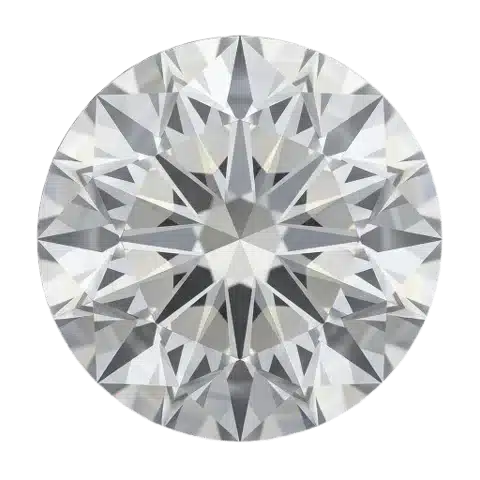
 Loose lab-grown diamonds10 shapes · IGI, GIA or NGTC reports
Lab-Grown Oval Engagement Rings
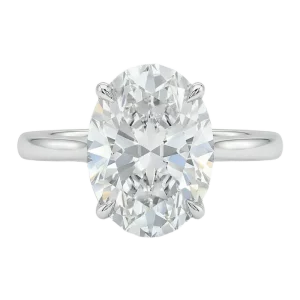
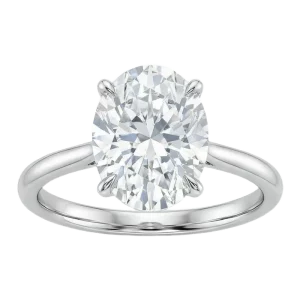
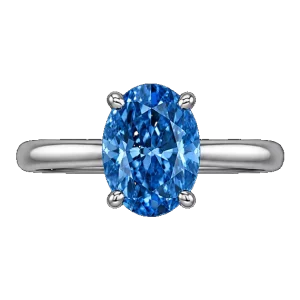
Lab-grown oval engagement rings in every setting we make: solitaire, halo, hidden halo, three-stone and vintage, in white, yellow or rose gold or platinum, plus oval solitaires and halos with yellow, pink, blue, champagne or black centers. The oval you see in each photo is a starting point; the ring is quoted with the stone you pick, in the ratio and size you want. The modern oval brilliant dates from 1957, when cutter Lazare Kaplan developed it. Choose a design below, or start from a loose oval and build the ring around it. IGI, GIA or NGTC reports are available on request for the center stone.
Get a Quote · Loose oval lab-grown diamonds · All engagement rings
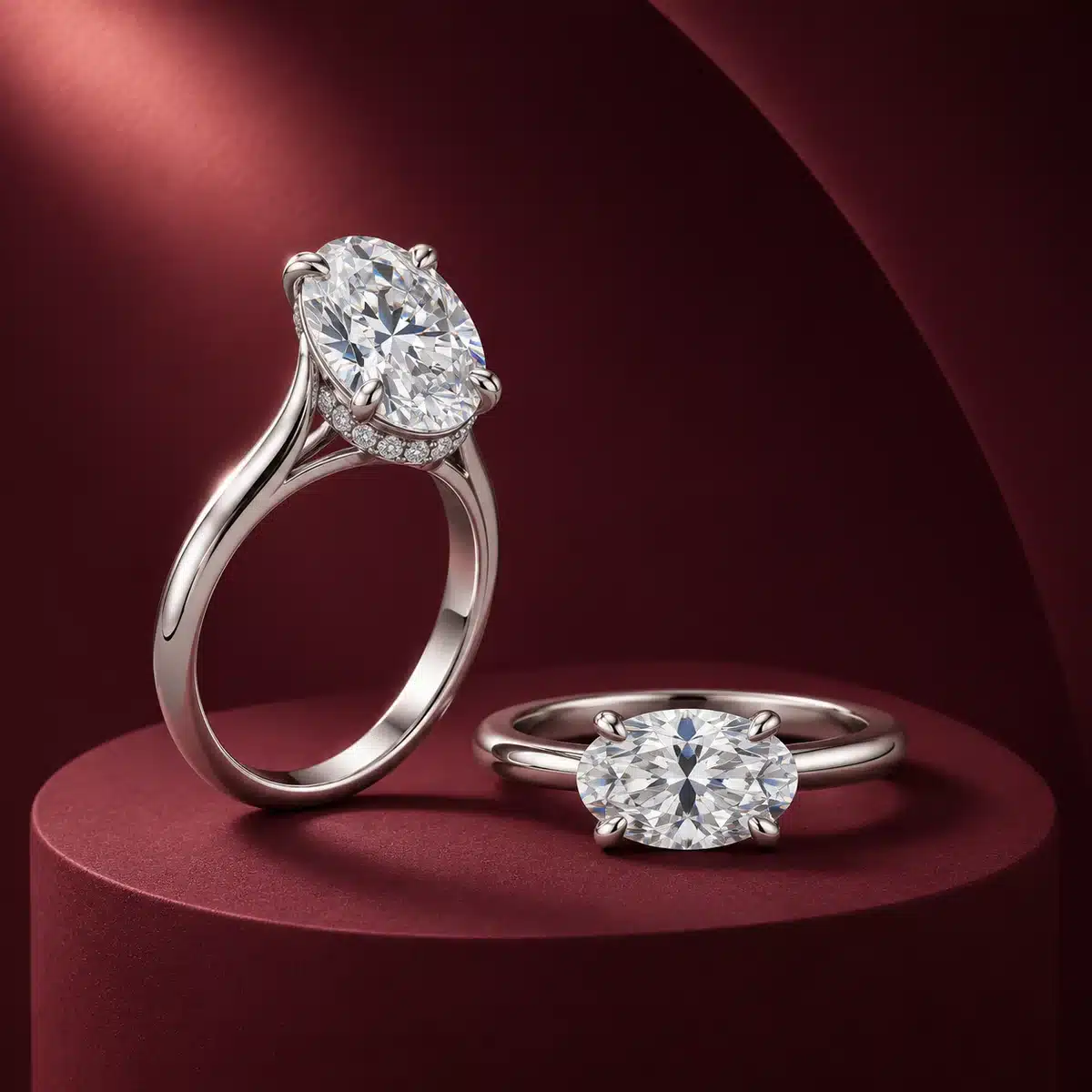
Four Ways to Wear an Oval
Start from the look, then narrow the list by metal, color or setting.
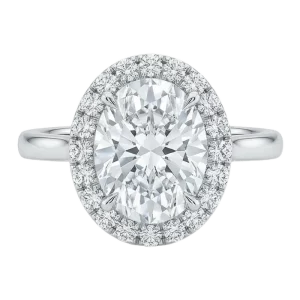
All 31 pieces on this page, by name
- Rose Gold Oval Three-Stone Lab-Grown Diamond Ring
- Rose Gold Oval Halo Lab-Grown Diamond Ring
- Yellow Gold Oval Three-Stone Lab-Grown Diamond Ring
- Yellow Gold Oval Halo Lab-Grown Diamond Ring
- Rose Gold Solitaire Oval Lab-Grown Diamond Ring
- Yellow Gold Hidden Halo Oval Lab-Grown Diamond Ring
- Rose Gold Hidden Halo Oval Lab-Grown Diamond Ring
- Yellow Gold Solitaire Oval Lab-Grown Diamond Ring
- Rose Gold Vintage Oval Lab-Grown Diamond Ring
- Yellow Gold Vintage Oval Lab-Grown Diamond Ring
- Bezel Oval Lab-Grown Diamond Ring
- East-West Oval Bezel Lab-Grown Diamond Ring
- Platinum Oval Solitaire Lab-Grown Diamond Ring
- Platinum Oval Three-Stone Lab-Grown Diamond Ring
- Platinum Oval Vintage Lab-Grown Diamond Ring
- Platinum Oval Hidden Halo Lab-Grown Diamond Ring
- Solitaire Oval Lab-Grown Diamond Ring
- Halo Oval Lab-Grown Diamond Ring
- Hidden Halo Oval Lab-Grown Diamond Ring
- Three-Stone Oval Lab-Grown Diamond Ring
- Vintage Oval Lab-Grown Diamond Ring
- Fancy Champagne Oval Halo Lab-Grown Diamond Ring
- Fancy Champagne Oval Lab-Grown Diamond Ring
- Fancy Blue Oval Halo Lab-Grown Diamond Ring
- Fancy Blue Oval Lab-Grown Diamond Ring
- Fancy Black Oval Halo Lab-Grown Diamond Ring
- Fancy Black Oval Lab-Grown Diamond Ring
- Fancy Yellow Oval Lab-Grown Diamond Ring
- Fancy Pink Oval Halo Lab-Grown Diamond Ring
- Fancy Pink Oval Lab-Grown Diamond Ring
- Fancy Yellow Oval Halo Lab-Grown Diamond Ring
Pick the Oval First: Ratio and Bow-Tie in Brief
Two numbers on the stone shape the whole ring. Our oval diamond guide covers them in depth; for a ring, this is what matters:
| Ratio (length ÷ width) | Face-up look | Rings it suits |
|---|---|---|
| About 1.30 | Fuller, closer to round | Halo and vintage designs that add their own outline |
| About 1.40 | Balanced, the traditional oval | Any setting |
| About 1.50 | Slimmer and longer | Solitaires and east-west settings that show the length |
GIA notes that many buyers choose a ratio between 1.30:1 and 1.50:1, and 1.40 to 1.50 for a traditional look. Some bow-tie, the darker band across the center, appears in ovals; a well-cut stone keeps it small. Photos or video of candidate stones are available on request, so you can judge it before setting.
Ovals in Colored Diamonds
Five of the rings in this list are oval solitaires with fancy-color centers, and another five are oval halos in color. A yellow or champagne oval looks warm in yellow gold; blue and black ovals read crisp in white gold or platinum. Whether a colored oval is as-grown or treated after growth varies by stone, and pink can be produced by post-growth treatment; we name the origin of color on the invoice.
Wedding Bands for an Oval Ring
With a low solitaire head, a straight wedding band can often sit close to the ring; a halo or a high head may need a curved band. If you plan an eternity ring later, GIA’s stacking guide notes it is often worn above the engagement ring. Gold worn against platinum can wear faster, so match the metals or ask about a buffer band. See lab-grown diamond wedding bands.
How to Choose a Lab-Grown Oval Engagement Ring
Oval Engagement Ring Questions
Guides:
Which ratio should I choose for an oval engagement ring?
Do all oval diamonds have a bow-tie?
Does an oval look bigger than a round?
Can I get an east-west oval engagement ring?
Can I choose a loose oval first?
Do you make oval rings for retailers?
Lab-Grown Oval Engagement Rings for Retailers and Brands
A head built for one oval ratio will not hold another neatly. For retail and private label orders we fix per SKU:
- Center stone spec: carat, ratio range and measurement tolerance for the head.
- Semi-mounts: halos, hidden halos and three-stone shoulders pre-set, ready for your ovals.
- Stone supply: matched ovals or calibrated melee from the same supplier as the setting; loose stones in stock are ready in 3–7 business days and matched pairs in 7–15, before setting.
- Branding: logo stamp, tags and boxes; NDA available; no fixed minimum order.
Sources: GIA: Oval cut diamond buying guide · GIA: Ring stacking guide · GIA: Complete guide to engagement ring settings
Thank you
We’ll reply within one business day with price, stone options and delivery time.