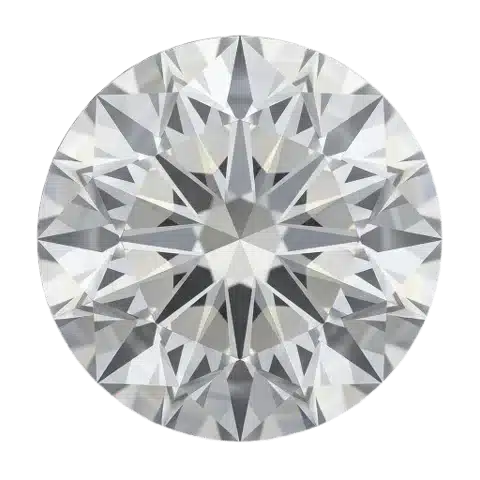
 Loose lab-grown diamonds10 shapes · IGI, GIA or NGTC reports
Lab-Grown Marquise Engagement Rings
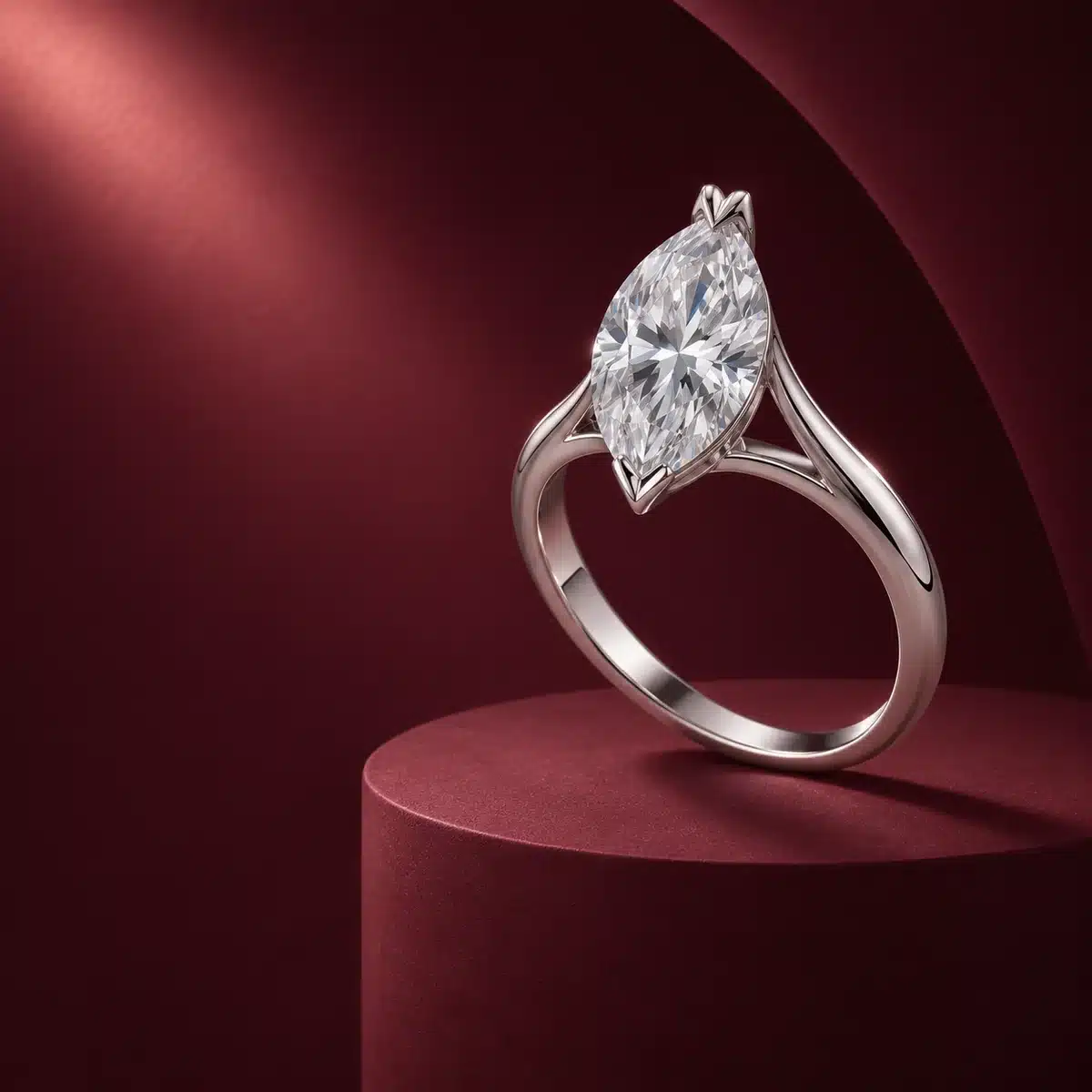
Lab-grown marquise engagement rings set with a long, pointed center stone: solitaire, halo, hidden halo, three-stone and vintage designs in white, yellow or rose gold or in platinum, plus marquise halos in yellow, pink, blue, champagne and black. Every ring here can take a different marquise than the one shown, so the ring is quoted with the exact center stone you choose. A marquise has two points and a curved outline, which is why the setting matters more than for a round. Below you can compare the settings, see what to check on the stone, and send us a size and ratio to price. IGI, GIA or NGTC reports are available on request for the center stone.
Get a Quote · Loose marquise lab-grown diamonds · All engagement rings
Marquise Rings by Setting
Same pointed center, five ways to set it. Pick a setting to filter the rings below.
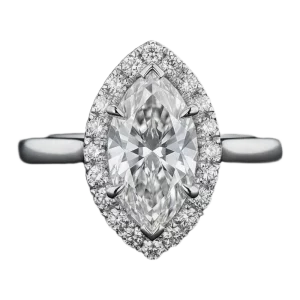
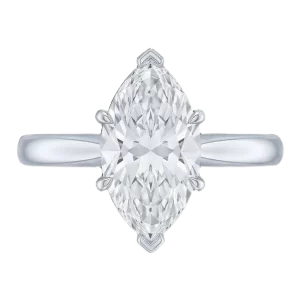
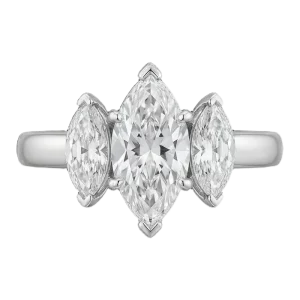
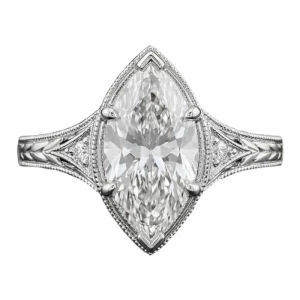
All 23 pieces on this page, by name
- Rose Gold Marquise Vintage Lab-Grown Diamond Ring
- Rose Gold Marquise Three-Stone Lab-Grown Diamond Ring
- Rose Gold Marquise Hidden Halo Lab-Grown Diamond Ring
- Rose Gold Marquise Halo Lab-Grown Diamond Ring
- Rose Gold Marquise Solitaire Lab-Grown Diamond Ring
- Yellow Gold Marquise Vintage Lab-Grown Diamond Ring
- Yellow Gold Marquise Three-Stone Lab-Grown Diamond Ring
- Yellow Gold Marquise Hidden Halo Lab-Grown Diamond Ring
- Yellow Gold Marquise Halo Lab-Grown Diamond Ring
- Yellow Gold Marquise Solitaire Lab-Grown Diamond Ring
- Solitaire Marquise Lab-Grown Diamond Ring
- Halo Marquise Lab-Grown Diamond Ring
- Three-Stone Marquise Lab-Grown Diamond Ring
- Hidden Halo Marquise Lab-Grown Diamond Ring
- Vintage Marquise Lab-Grown Diamond Ring
- Toi et Moi Marquise and Oval Lab-Grown Diamond Ring
- Platinum Marquise Vintage Lab-Grown Diamond Ring
- Platinum Marquise Solitaire Lab-Grown Diamond Ring
- Fancy Champagne Marquise Halo Lab-Grown Diamond Ring
- Fancy Blue Marquise Halo Lab-Grown Diamond Ring
- Fancy Black Marquise Halo Lab-Grown Diamond Ring
- Fancy Pink Marquise Halo Lab-Grown Diamond Ring
- Fancy Yellow Marquise Halo Lab-Grown Diamond Ring
Marquise in Each Setting Style
| Setting | What it does for a marquise | Worth checking |
|---|---|---|
| Solitaire | Shows the full outline with nothing around it | That both points sit inside prongs or a partial bezel |
| Halo | A frame of small diamonds follows the boat shape and adds face-up spread | That the halo traces the points rather than rounding them off |
| Hidden halo | Small diamonds under the center, visible from the side; the top view stays a clean solitaire | Head height next to a wedding band |
| Three-stone | Side stones (often round, pear or tapered baguette) balance the long center | Side stones matched to each other in size and color |
| Vintage | Milgrain and engraved details suit the marquise and its 18th-century French legend | Engraving depth if the band will be resized later |
Every design in the list can move to another metal, and most can be made east-west, with the marquise set sideways across the finger. Ask for it on the quote.
What to Check on a Marquise Center Stone
GIA’s marquise guide gives four things to look at before a stone goes into a ring:
- Length-to-width ratio. Marquise diamonds submitted to GIA most often fall between 1.6:1 and 2.2:1, and a classic marquise is about twice as long as it is wide. Which ratio looks right is personal: lower ratios read broader, higher ratios slimmer.
- Bow-tie. A slight bow-tie, the darker band across the middle, is normal in a marquise and can add contrast. Look for one that is dark, wide or distracting, and compare stones on video.
- Symmetry. The two halves should be balanced in outline and equal in length, with crisp, well-defined points rather than rounded tips.
- Points. Check the tips and girdle for chips and for feathers that reach the surface; GIA’s buying advice is to avoid large chips and surface-reaching feathers.
Tell us the ratio range you like, along with carat, color and clarity, and we suggest candidate stones with their measurements; photos or video are available on request before setting.
Prongs, Points and Everyday Wear
A marquise is usually held by six prongs or by V-shaped prongs that wrap each point. GIA describes V-prongs as especially useful for larger marquise diamonds, and a partial bezel at each end is another option that leaves the sides of the stone open. On the quote we confirm which one your ring uses.
A low setting or a partial bezel suits people who work with their hands. A higher head shows more of the stone from the side but sits further from a wedding band, so think about the pair together.
Fancy-Color Marquise Rings
The list includes marquise halo rings with yellow, pink, blue, champagne and black centers. The halo frames each colored center in white diamonds. The invoice records how each center got its color; yellow and blue can be as-grown or treated, and pink can be produced by treatment after growth. See the yellow, pink and blue lab-grown diamond pages for loose stones.
How to Choose a Lab-Grown Marquise Engagement Ring
Marquise Engagement Ring Questions
Guides:
Are marquise engagement rings practical for daily wear?
What length-to-width ratio should I choose for a marquise?
Do marquise diamonds look bigger?
What wedding band goes with a marquise engagement ring?
Can I use my own marquise diamond or choose one first?
Can retailers order marquise rings in volume?
Lab-Grown Marquise Engagement Rings for Retailers and Brands
Marquise settings are less forgiving than rounds: a head made for a 2:1 stone will not hold a 1.7:1 stone neatly. For retail and private label orders we agree per SKU:
- Center stone range: carat, ratio range and measurement tolerance the head is built for.
- Semi-mounts: settings with side stones or halo already set, ready for your centers.
- Matching pairs for three-stone designs: side stones matched as a pair, 7–15 business days for matched pairs.
- Branding: logo stamp, tags and boxes; NDA available; no fixed minimum order.
Sources: GIA: Marquise diamond buying guide · GIA: Buying a quality diamond · GIA: Complete guide to engagement ring settings
Thank you
We’ll reply within one business day with price, stone options and delivery time.