
Lab-Grown Diamond Certifications and Quality Control
Separate the Report, the Physical Stone and the Finished Piece
Lab-grown diamond quality control works best when three review layers are kept separate: third-party grading information for the referenced stone, physical review of the actual diamond, and inspection of the finished jewelry after setting and finishing. A report does not describe every visual or manufacturing detail, and a polished ring cannot be evaluated only from the report number.
NUVU coordinates the applicable review against the confirmed order direction. The exact checks and materials depend on whether the order is a certified center stone, non-certified production stones, matched or calibrated supply, an existing jewelry design, a custom piece, or a private-label collection.
Certification and Quality Review in Practice
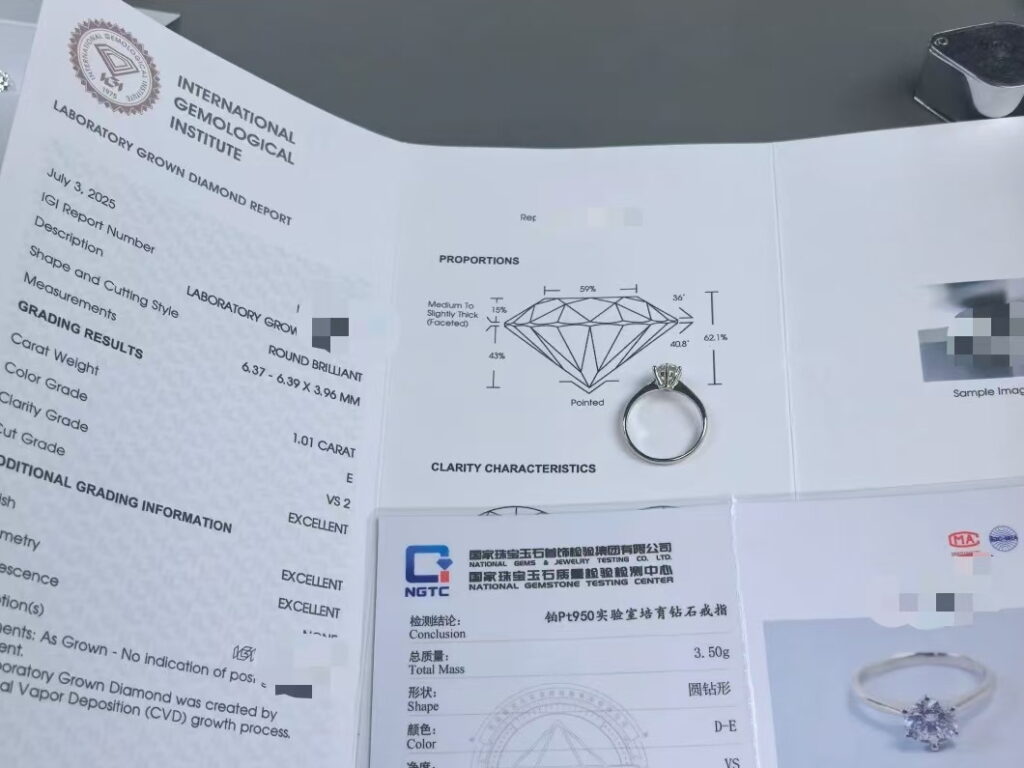
Where grading documentation applies, confirm the laboratory, report availability, report number, shape, carat weight, color, clarity, measurements, and other relevant fields for the actual stone. Laser-inscription matching can be checked where applicable. NUVU is not an independent grading laboratory, and report availability must not be assumed for every stone.
The report image on this page is a document example in a jewelry context. Buyers should rely on the report assigned to their selected stone and verify it through the issuing laboratory when online lookup is available.
Physical Stone Inspection Beyond the Report
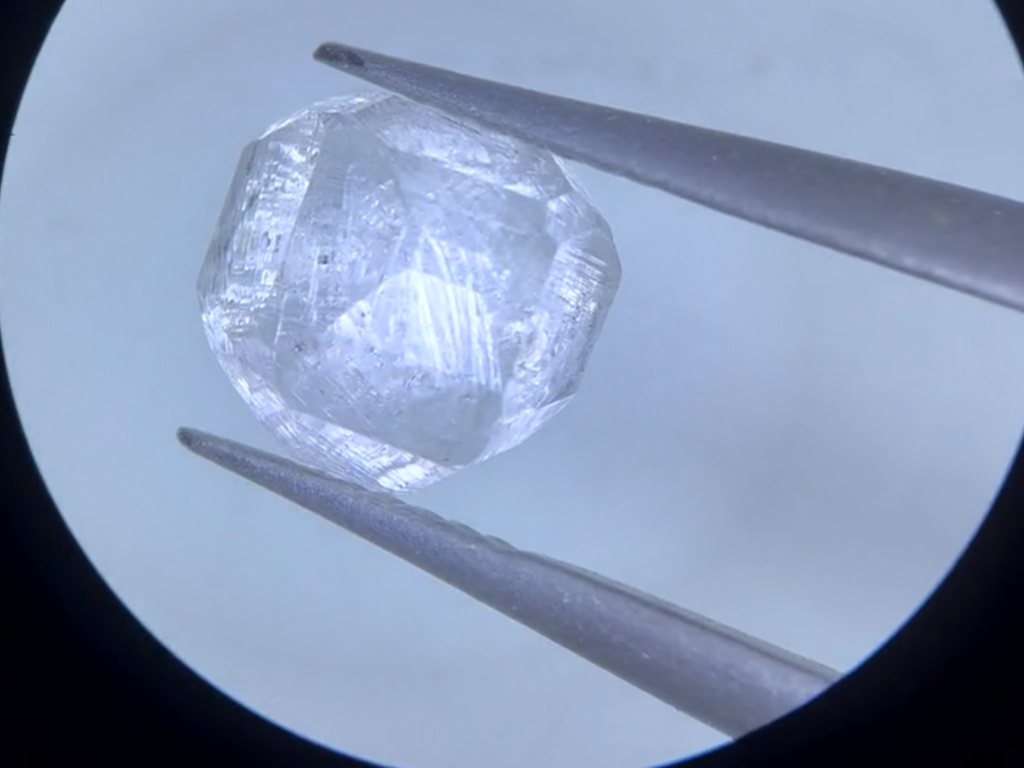
Physical stone review considers the diamond that will be supplied or set. Depending on the project, review can include visible condition, shape, measurements, general appearance, proportion, matching or calibration, suitability for the intended design, and alignment with the approved specification.
For non-certified production stones, the written order specification becomes especially important. State the size distribution, quantity, color and clarity direction, matching tolerance, intended use, and agreed review basis.
Why the Three Review Layers Matter

Supports Clear Comparison
Grading information helps customers compare stones using a more consistent framework instead of relying only on visual impression or seller description.

Reduces Uncertainty
A documented quality profile makes it easier to understand what is being offered and lowers the chance of confusion during selection.
Helps Verify Expectations
Quality review gives more shape to the buying process by checking whether the finished piece aligns with the intended design and presentation.


Supports Final Quality Review
When information is clear and the final piece is reviewed carefully, customers can move forward with greater confidence.
Quality Review After Setting
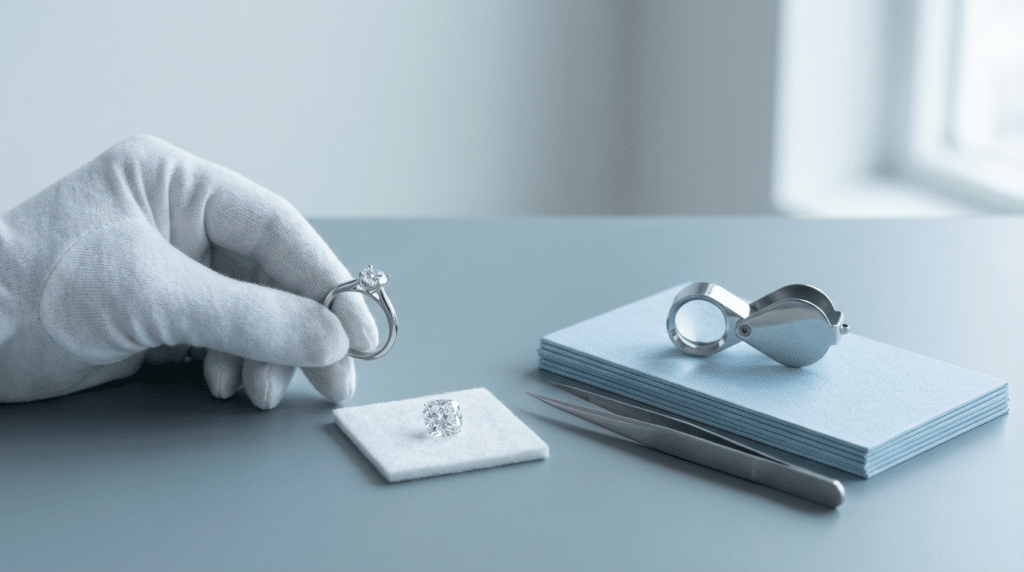
After setting, the review shifts from diamond grading to jewelry condition. Applicable checks can include stone position, prongs, setting security and condition, dimensions, symmetry, surface finish, metal mark or documented metal specification, engraving, ring size, cleanliness, logo, packaging, and collection consistency.
Not every check applies to every item. The quotation or order documentation should define the product specification, inspection scope, approval materials, and exception-handling process for the project.
Prong & Setting Detail
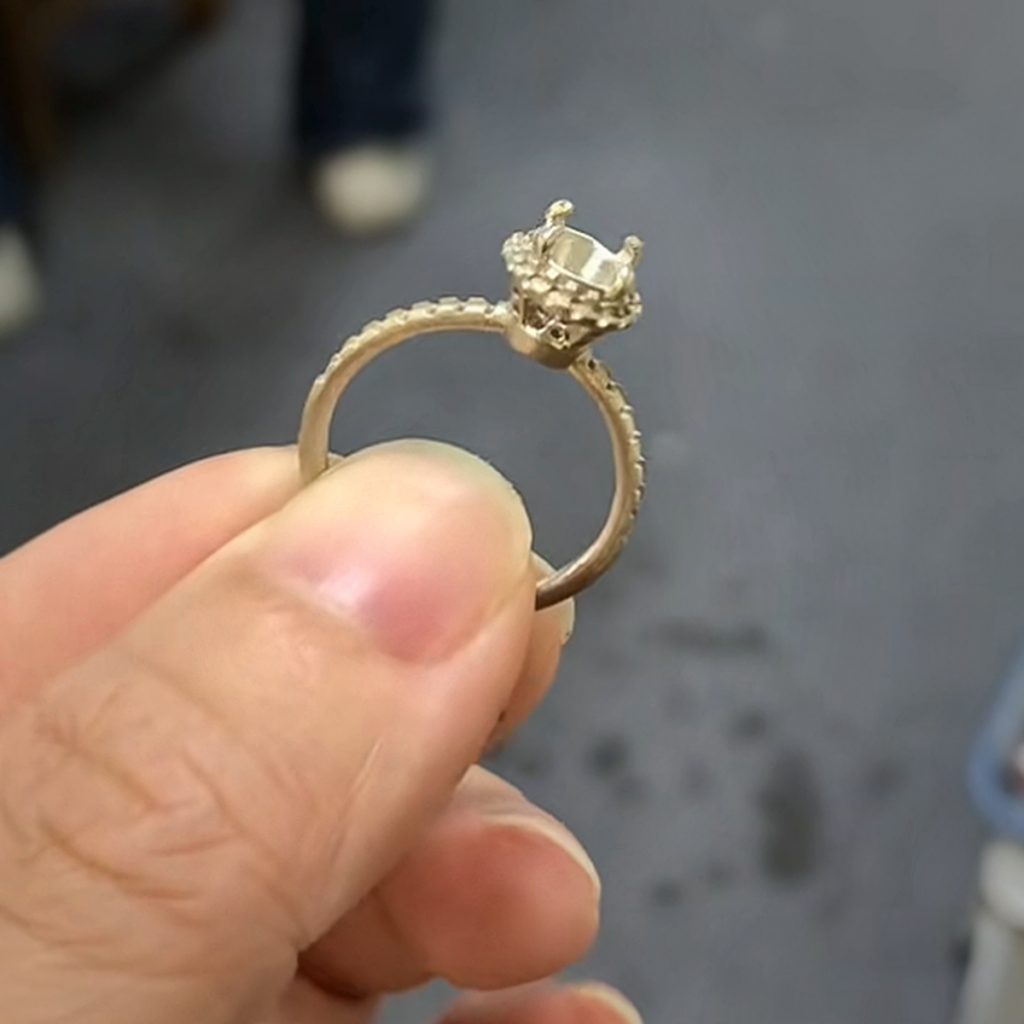
Prongs and setting details are reviewed for visible condition, position, balance, and alignment with the approved design. A photograph can support confirmation, but it does not replace the written product specification or an agreed inspection scope.
Final Review Before Delivery
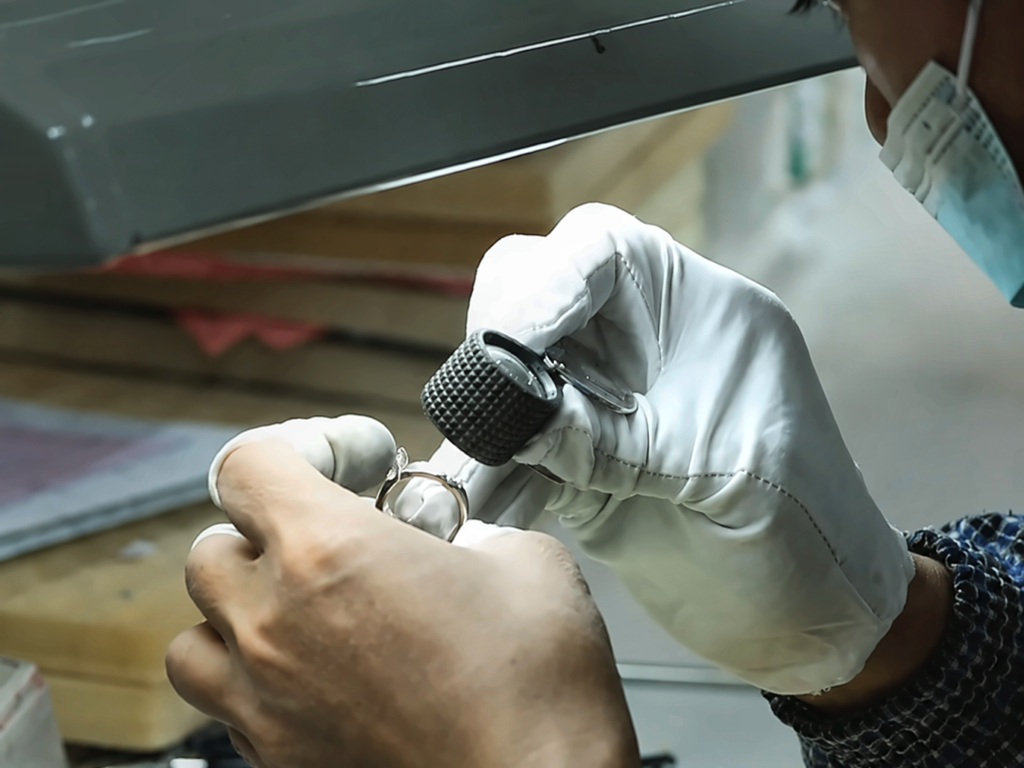
Before delivery, the finished piece is reviewed against the approved order direction for applicable stone, setting, finish, dimensions, size, engraving, branding, cleanliness, packaging, and presentation details. Project-specific photographs, videos, or check records can be discussed and should be agreed in writing.
Report Review and Finished-Jewelry QC Are Different
A grading report and finished-jewelry QC answer different questions. The report describes grading information for the referenced diamond. Physical stone review checks the selected diamond itself. Finished-jewelry inspection checks what happened after that stone became part of a ring, earring, pendant, necklace, bracelet, or custom piece.
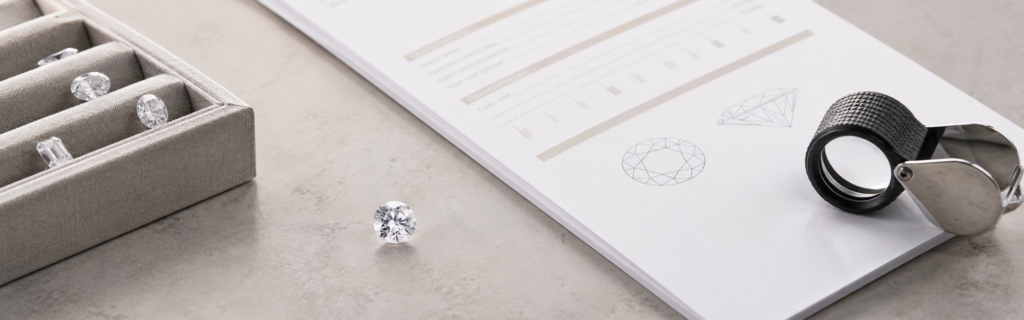
Diamond Documentation
Certified stones may be useful for center stones, retail sale, or other documented applications. NUVU educational content discusses recognized laboratories including IGI, GIA, and GCAL, but the applicable laboratory and report details depend on the individual stone and sourcing requirement.
Before approval, match the report number, shape, carat, color, clarity, measurements, and laser inscription where applicable. Use the issuing laboratory's lookup service when available and ask about any inconsistency before purchase.
This helps customers compare stones with more consistency during the selection process.
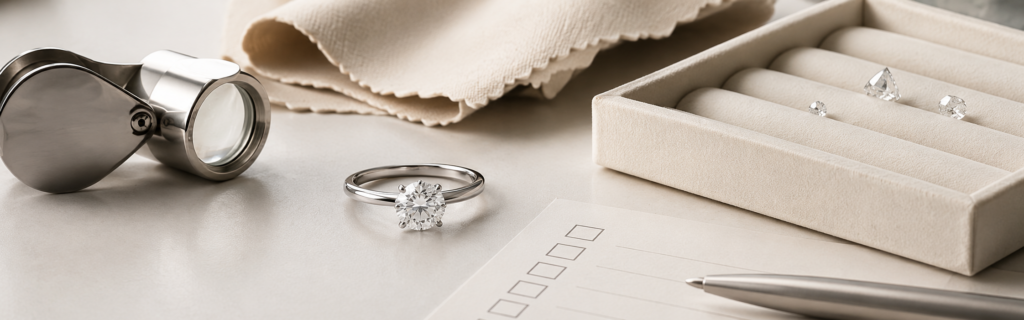
Finished Jewelry Review
Finished-jewelry review focuses on the completed item rather than repeating a diamond grade. It can include stone position, prongs, setting condition, dimensions, symmetry, polish, visible surface condition, engraving, size, cleanliness, logo, packaging, and readiness for delivery.
This is especially important when a diamond becomes part of a completed ring or custom design.
Finished-Jewelry Checks Before Delivery
The useful control point is a written specification. Confirm the stone and report requirement, metal and karat or platinum basis, setting, dimensions, ring size or chain length, finish, engraving, branding, packaging, quantity, inspection materials, and issue-handling terms before production or shipment.

Stone-to-Order Match
Confirming that the selected stone aligns with the intended order details and presentation.

Setting Condition
Reviewing the stone setting visually to help ensure it appears secure, balanced, and properly positioned.

Surface Finish
Checking the overall finish for clean presentation, including polish consistency and visible surface condition.

Design Consistency
Reviewing whether the final piece reflects the expected style, shape language, and overall design direction.

Visual Presentation
Looking at the piece under normal viewing conditions to confirm a clean and ready-to-present appearance.

Final Review Readiness
Making sure the item is ready for customer confirmation, delivery, or final handoff.
How to Read the Applicable Grading Report
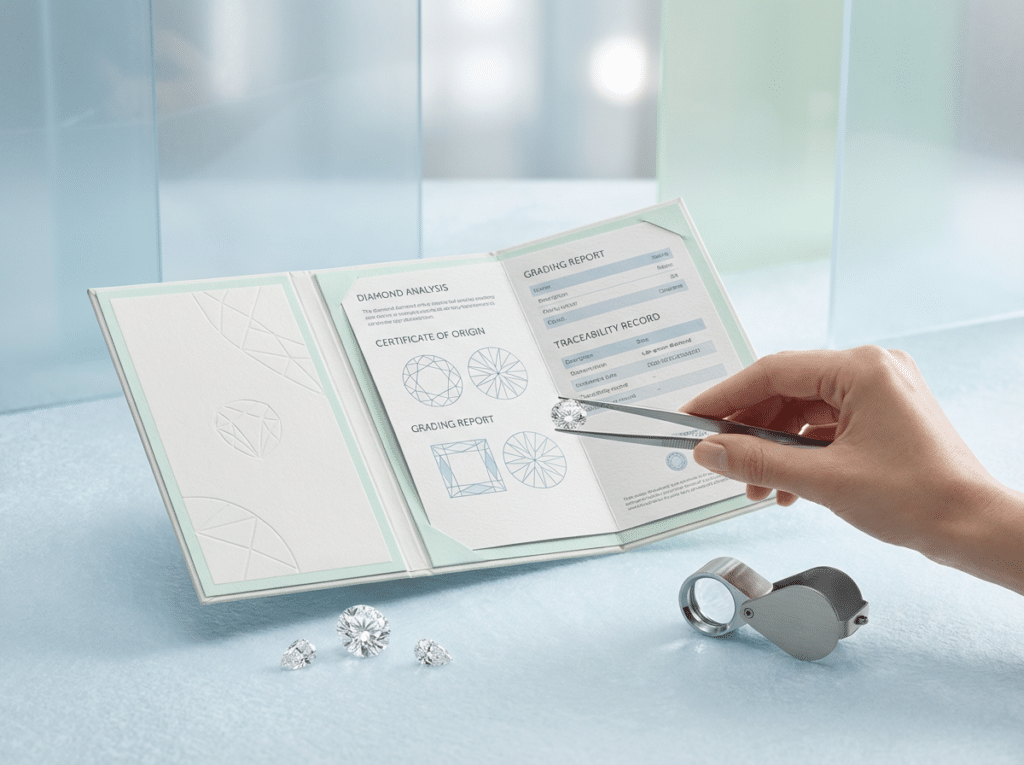
A grading report can help organize diamond information into a format that is easier to read and compare. While each report may vary, customers often pay close attention to several core fields during selection.
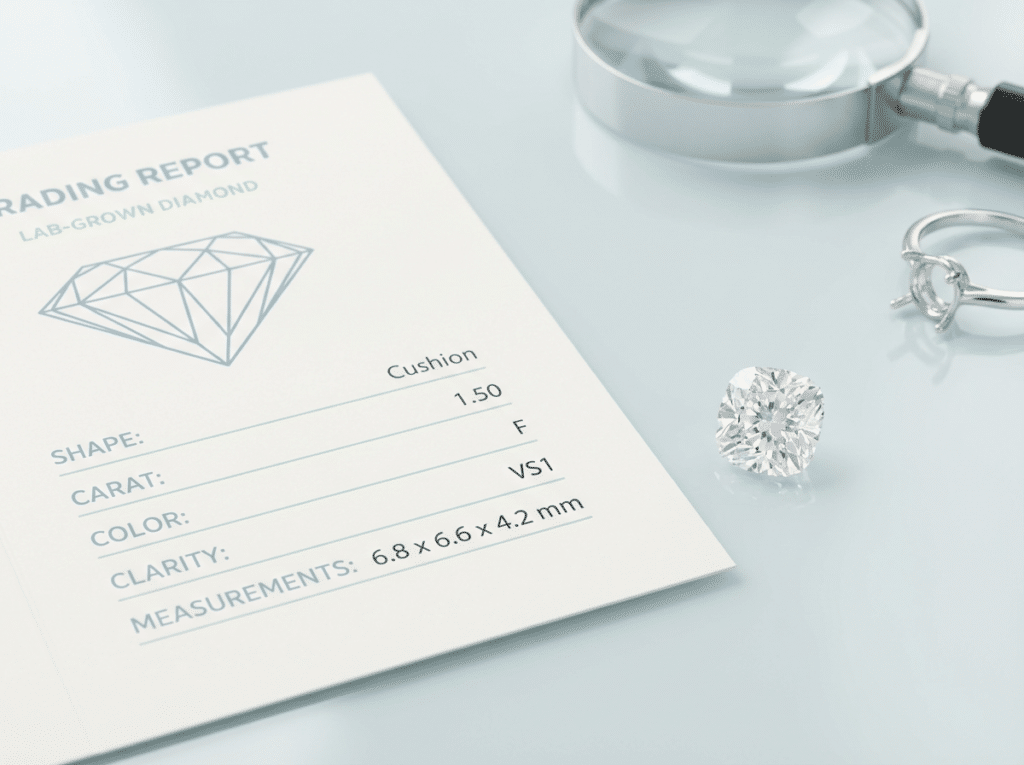
1. Shape
The diamond shape influences overall appearance and visual style.
2. Carat Weight
Carat describes weight, but visual presence is also affected by proportions and measurements.
3. Color
Color grading helps describe how colorless or tinted a diamond appears.
4. Clarity
Clarity refers to internal and external characteristics observed during grading.
5. Measurements
Measurements help explain physical spread and face-up appearance beyond carat alone.
6. Finish-Related Details
Depending on the report format, customers may also review cut-related or finishing-related information to better understand overall presentation.
Project-Specific Quality Confirmation
NUVU's role is to connect documentation review, physical stone review, production coordination, and finished-product confirmation where applicable. NUVU does not claim that every inspection or production operation is performed by one legal entity or one workshop.
If an item appears inconsistent with the confirmed specification, provide the order reference and clear photographs or video. The issue can then be reviewed against the written commercial terms to determine an appropriate repair, rework, replacement, or other agreed action.
Clear information. Thoughtful review. More confident choices.
Choose with More Clarity
For an actual project, review the certification guide, see the production responsibility map, compare wholesale loose diamond requirements, or request report and QC details.

Certification and Quality Control FAQ
Does a grading report replace physical diamond review?
No. A report organizes grading information for the referenced stone, while physical review considers the actual stone’s condition, appearance, measurements, suitability, and match with the order direction. Both may matter for a documented center-stone purchase.
Which grading laboratory can be supplied?
Report availability and laboratory depend on the individual stone and sourcing requirement. NUVU educational content discusses IGI, GIA, and GCAL, but the applicable laboratory, report number, stone details, and laser inscription must be confirmed for the actual order.
How are non-certified production stones handled?
Non-certified stones may suit smaller, calibrated, accent, or manufacturing-focused requirements. The order should still state shape, size or measurements, color and clarity direction, quantity, matching or tolerance needs, intended use, and the agreed review basis.
What is checked after a diamond is set?
Applicable finished-jewelry checks can include stone position, prongs, setting condition, dimensions, visual balance, surface finish, engraving, ring size, cleanliness, logo, packaging, and alignment with the approved order direction.
Are QC photos included with every order?
No universal photo or video package is promised. Project-specific inspection photographs, videos, stone images, or product-confirmation materials can be agreed when the quotation or order documentation defines them.
What happens if the delivered item does not match the specification?
The buyer should provide the order reference and clear supporting evidence. The item can then be reviewed against the approved specification and written commercial terms to determine the appropriate repair, rework, replacement, or other agreed action.
Read the lab-grown diamond certification guide, see the production process overview, review the custom jewelry process, or request project-specific report and QC details.