- Shop
Diamonds & Jewelry
Loose Lab Diamonds Yellow Lab Diamonds Pink Lab Diamonds Blue Lab Diamonds Engagement Rings Fine Jewelry Shop All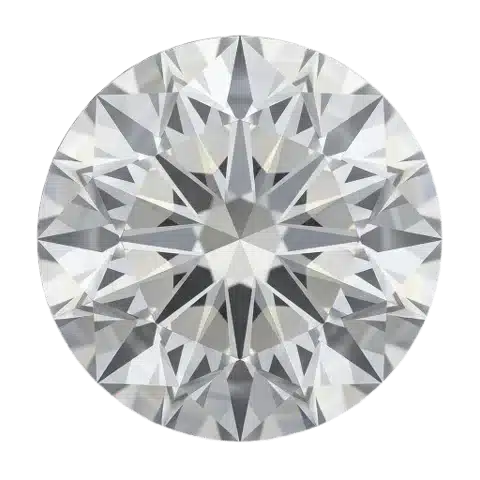 Loose lab-grown diamonds10 shapes · IGI, GIA or NGTC reports
- Wholesale
- Custom Design
- Education
- About
Loose Lab-Grown Diamonds Buying Guide: How to Buy Loose Lab Diamonds with More Clarity and Less Guesswork
- Before you compare stones: fix these
- Who benefits from buying loose
- What drives the price
- Online verification checklist
- Reading video like a buyer
- What reports confirm and what they miss
- Buying loose stones wholesale
- Sample specifications by budget priority
- How labs grade lab-grown diamonds
- Shipping, insurance and customs
- After you receive the stone
- Common mistakes when buying loose
- Loose diamond questions
- Send your stone limits
In 2021 GIA tested a 3.07 ct stone whose girdle carried the number of a GIA report for a natural G IF diamond. The stone was CVD-grown and treated after growth, and it had been cut to almost the same measurements as the natural stone. The inscription matched an existing report; the stone did not. Only laboratory testing caught it.
That case sums up how to buy loose: check the stone against its report, not the paperwork against itself. Buying loose gives you control over the exact stone and how the budget is spent. Fix the shape, size range and setting first, then set limits for cut, color and clarity. Compare measurements and video, not only grades, and look the report up on the laboratory’s own site before paying.
Before you compare stones: fix these
Who benefits from buying loose
- People designing a custom ring who want to choose the stone first.
- Jewelers and retailers buying for specific customers or settings.
- Brands buying stones for production.
- Anyone who wants to put more budget into the stone than the setting.
If you want a finished ring quickly and the design is fixed, a ready-made piece can be simpler. See loose stone vs finished jewelry.
What drives the price
Carat thresholds, shape, cut, color, clarity, report and treatment. Identical grades can still be priced differently because of proportions and appearance. Remember the total project cost: stone, setting, labor and shipping. See the price guide.
Online verification checklist
Reading video like a buyer
Look for brightness across the stone, dark areas or bow-tie, visible inclusions, and tint. Compare at least three candidates under the same lighting.
What reports confirm and what they miss
Reports confirm identity, measurements and grades. They do not show appearance side by side, how the stone will look in your setting, or the seller’s reliability. See how to read a report.
Buying loose stones wholesale
For trade buyers, add quantity, matching and lot documentation to the checklist, and see the wholesale loose stone guide.
Sample specifications by budget priority
Swipe the table to see more →
| Priority | Shape | Cut | Color | Clarity | Report |
|---|---|---|---|---|---|
| Biggest look | Oval or pear | Good proportions, mild bow-tie | H–I in yellow or rose gold | SI1 eye-clean | IGI |
| Balanced value | Round | Excellent | G–H | VS2 | IGI or GIA |
| Top quality | Round or emerald | Excellent | D–F | VVS–VS1 | GIA or IGI |
| As-grown requirement | Any | As above | As above | As above | Report type that states treatment, plus written confirmation |
These are starting points to adjust after seeing stones on video.
How labs grade lab-grown diamonds
IGI gives full color and clarity grades and a cut grade for rounds. GIA lab-grown reports since October 1, 2025 place stones in Premium (D color, VVS or better, Excellent polish and symmetry, Excellent cut for rounds) or Standard (E–J, VS or better, Very Good polish and symmetry, Good symmetry allowed for fancy shapes, Very Good cut for rounds). GIA inscribes “Laboratory-Grown” and the report number on the girdle. NGTC, China’s national testing center, also reports lab-grown diamonds.
Shipping, insurance and customs
- Ask whether shipping is insured for the full value and who bears the risk in transit.
- For international orders, check import duties and taxes in your country.
- The invoice should describe the stone as laboratory-grown and list the report number.
- Inspect the stone and check the inscription soon after delivery.
After you receive the stone
- Compare the inscription, where present, with the report.
- Check measurements with a caliper if you have one.
- Look at the stone in daylight and normal room light.
- Keep the report, invoice and video together for insurance and setting.
Common mistakes when buying loose
- Choosing from grades alone without video.
- Buying a deep stone that faces up small.
- Paying extra for D–F or VVS that will not be visible in the setting.
- Choosing a stone that does not fit the planned setting’s measurements.
Loose diamond questions
Is it safe to buy loose lab-grown diamonds online?
Yes, if you verify the report on the lab’s site, see video of the exact stone and have written terms.
Should I buy the stone or the setting first?
For custom rings, usually the stone, or both together so they fit.
What report should a loose lab-grown diamond have?
IGI is the most common; GIA and NGTC are also used.
What does GIA’s Premium or Standard mean for a loose lab-grown diamond?
Since October 2025, GIA places lab-grown stones in one of two categories instead of giving full color and clarity grades. Premium is the top category; Standard covers E–J color and VS or better.
Send your stone limits
Send your shape, size range in millimeters, quality limits, report preference and the setting you plan, and we will reply with options. NUVU can arrange IGI, GIA or NGTC reports, and on request can send the report number and a video of each option and provide proof of no post-growth treatment. Send your requirements or WhatsApp / WeChat +86 191 1840 3930.
Sources

12+ years in lab-grown diamond grading, identification and quality assurance for both HPHT and CVD stones.
About NUVU. NUVU is the international brand of New Perspective Superhard Materials Co., Ltd. in Zhecheng, Henan, China. We grow HPHT lab-grown diamonds in-house and cut, polish and match stones in our own workshop.
Related Guides
Loose Lab-Grown Diamonds | Certified Stones
Loose lab-grown diamonds in 10 shapes with IGI, GIA or NGTC reports.
Read more →4CsLab-Grown Diamond 4Cs: Choose Without Overpaying
The 4Cs for lab-grown diamonds: why cut comes first, which color and clarity ranges give best value, carat…
Read more →NUVUWholesale Loose Lab-Grown Diamonds in Bulk
Bulk loose lab-grown diamonds: center stones, matched pairs, calibrated melee and parcels.
Read more →