- Shop
Diamonds & Jewelry
Loose Lab Diamonds Yellow Lab Diamonds Pink Lab Diamonds Blue Lab Diamonds Engagement Rings Fine Jewelry Shop All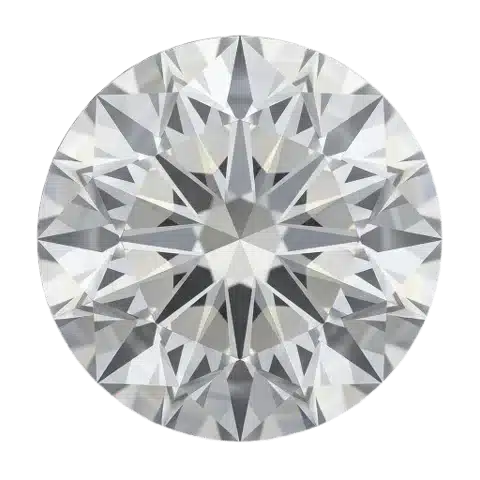 Loose lab-grown diamonds10 shapes · IGI, GIA or NGTC reports
- Wholesale
- Custom Design
- Education
- About
Round vs Oval vs Emerald vs Cushion Lab-Grown Diamonds: Which Engagement Ring Look Fits You Best?
Take four 1.50 ct lab-grown diamonds, one of each shape. A well-cut round measures about 7.3 mm across. A typical oval of the same weight is roughly 9 × 6.5 mm, an emerald cut roughly 8 × 6 mm, and a square cushion about 6.4 mm, less if it is cut deep. On the hand, the oval looks the largest and the cushion the smallest, though all four weigh the same. Size is only one difference; how each shape handles light is the bigger one.
Round gives the most sparkle and is the most forgiving, but costs the most per carat. Oval looks largest for its weight and lengthens the finger, with a bow-tie to check. Emerald has a calm, glassy look but shows inclusions and color more, so it needs higher grades. Cushion is soft and vintage, with a wide range of cutting styles. Choose the look you love, then choose the individual stone with that shape’s weak points in mind.
The four shapes compared
- Light
- The most brilliance and sparkle
- Face-up size per carat
- Standard
- Shows inclusions
- Least
- Clarity to aim for
- VS2–SI1 eye-clean
- Main check
- Cut grade
- Price per carat
- The highest
- Wear
- No corners
- Settings
- Any
- Light
- Brilliant, slightly softer
- Face-up size per carat
- Larger
- Shows inclusions
- Little
- Clarity to aim for
- VS2–SI1 eye-clean
- Main check
- Bow-tie, ratio
- Price per carat
- Lower
- Wear
- No corners
- Settings
- Solitaire, halo, east-west
- Light
- Broad flashes; a “hall of mirrors”
- Face-up size per carat
- Similar to round
- Shows inclusions
- Most
- Clarity to aim for
- VS1 or better
- Main check
- Clarity, step symmetry
- Price per carat
- Lower
- Wear
- Cut corners, still worth protecting
- Settings
- Claw prongs, bezel, three-stone
- Light
- Brilliant or “crushed ice”
- Face-up size per carat
- Often smaller
- Shows inclusions
- Little
- Clarity to aim for
- VS2–SI1 eye-clean
- Main check
- Depth, outline, facet pattern
- Price per carat
- Lower
- Wear
- Rounded corners
- Settings
- Halo, solitaire
Round: the brilliance benchmark
Round brilliants are cut for the most light return, and they are the easiest shape to compare because GIA and IGI give rounds an overall cut grade. They suit any setting and hide inclusions best. The trade-off is the price per carat and a classic rather than distinctive look.
Oval: spread and length
An oval spreads its weight over a longer outline, so it looks larger and makes the finger look slimmer. A length-to-width ratio of about 1.35 to 1.50 is popular; a higher ratio looks slimmer. Most ovals show some bow-tie, a dark band across the middle; choose one where it is mild, and judge it on video, because the report does not record it.
Emerald: clarity and structure
Emerald cuts have long, parallel step facets and a large open table. They show clarity and color more than brilliant cuts, so many buyers choose VS1 or better and a color one grade higher than they would for a round. GIA’s buying advice also notes that emerald cuts need higher clarity. The cut corners make them sturdier than square-cornered shapes, but claw prongs or a bezel are still the safer choice.
Cushion: soft and varied
Cushions range from square to elongated and from large chunky facets to a “crushed ice” look. Check the depth: a deep cushion faces up smaller than its weight suggests. Cushions suit halos and vintage designs.
Starting specifications by shape
Swipe the table to see more →
| Shape | Popular ratio | Clarity | Color in white metal | What to check on video |
|---|---|---|---|---|
| Round | 1.00 | VS2–SI1 eye-clean | G–H | Brightness; the cut grade is on the report |
| Oval | 1.35–1.50 | VS2–SI1 eye-clean | G–H | Bow-tie |
| Emerald | 1.30–1.50 | VS1 or better | F–G | Step symmetry; a “window” in the center |
| Cushion | 1.00–1.10 square; 1.15+ elongated | VS2–SI1 eye-clean | F–H | Depth and facet pattern |
These are common starting points, not rules. In yellow or rose gold, one or two color grades lower usually look the same.
Shape and the hand
Elongated shapes (oval, emerald, elongated cushion) make fingers look longer and slimmer. Rounds and square cushions look balanced and classic. A larger hand carries a bigger outline well; a smaller hand often suits a slimmer ratio. Compare the length and width on the report rather than the carat weight.
Why lab-grown widens the choice
Lab-grown diamonds are produced in all four shapes and in a wide range of ratios, so you can choose by look rather than by whatever happens to be available. Because high clarity costs less in lab-grown than in mined stones, an emerald cut, the shape that demands the most clarity, becomes easier to buy well.
Other shapes
Pear, marquise, radiant, princess and Asscher each have their own look and checks. See the shape price comparison and ring settings explained.
Shape questions
Which diamond shape looks biggest?
Oval, together with other elongated shapes such as marquise and pear.
Which shape sparkles the most?
The round brilliant.
Is cushion or oval better?
Oval looks larger and longer; cushion is softer and more vintage.
What ratio is best for an oval?
About 1.35 to 1.50 is popular. Choose by the look you prefer.
Compare the shapes you are considering
Tell us which shapes you are deciding between, with your size range and budget, and we will suggest stones in each so you can compare their measurements and reports. Send your requirements or message us on WhatsApp / WeChat at +86 19118403930.
Sources

11+ years supporting global clients with lab-grown diamond product consultation and market analysis.
About NUVU. NUVU is the international brand of New Perspective Superhard Materials Co., Ltd. in Zhecheng, Henan, China. We grow HPHT lab-grown diamonds in-house and cut, polish and match stones in our own workshop.
Related Guides
How to choose an engagement ring
How to choose a lab-grown diamond engagement ring: are they a good choice, choosing the center stone, shape, setting…
Read more →Engagement ringsRing settings explained
Engagement ring settings explained for lab-grown diamonds: solitaire, halo, hidden halo, three-stone, bezel, pavé…
Read more →ShopEngagement rings
Lab-grown diamond engagement rings in solitaire, halo, hidden halo, three-stone and vintage styles.
Read more →