 Get a Quote
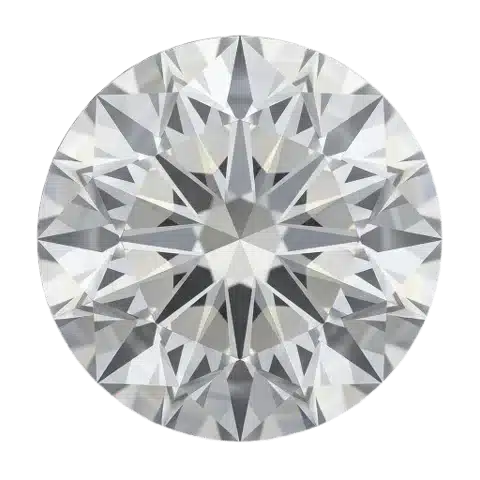 Loose lab-grown diamonds10 shapes · IGI, GIA or NGTC reports
How to Choose a Lab-Grown Diamond Engagement Ring: Stone and Setting Together
- The main decisions at a glance
- Are lab-grown diamonds good for engagement rings?
- Start with the shape
- Choose the center stone
- Match the setting to daily life
- Choose the metal
- Budget for the finished ring
- A buying plan in eight steps
- Getting the ring size right
- What the documents should say
- Care
- The engagement ring and the wedding band
- Engagement ring questions
- Find your ring, ready-made or custom
A 1.00 ct round brilliant is about 6.4 mm across. A 2.00 ct round is about 8.1 mm. With lab-grown diamonds, the second is within reach of many budgets that would only stretch to the first in a mined stone, and that changes the question buyers face. It is no longer “can I afford one carat?” but “how large should the stone be on this hand, which setting will hold it through daily wear, and which metal makes it look its best?”
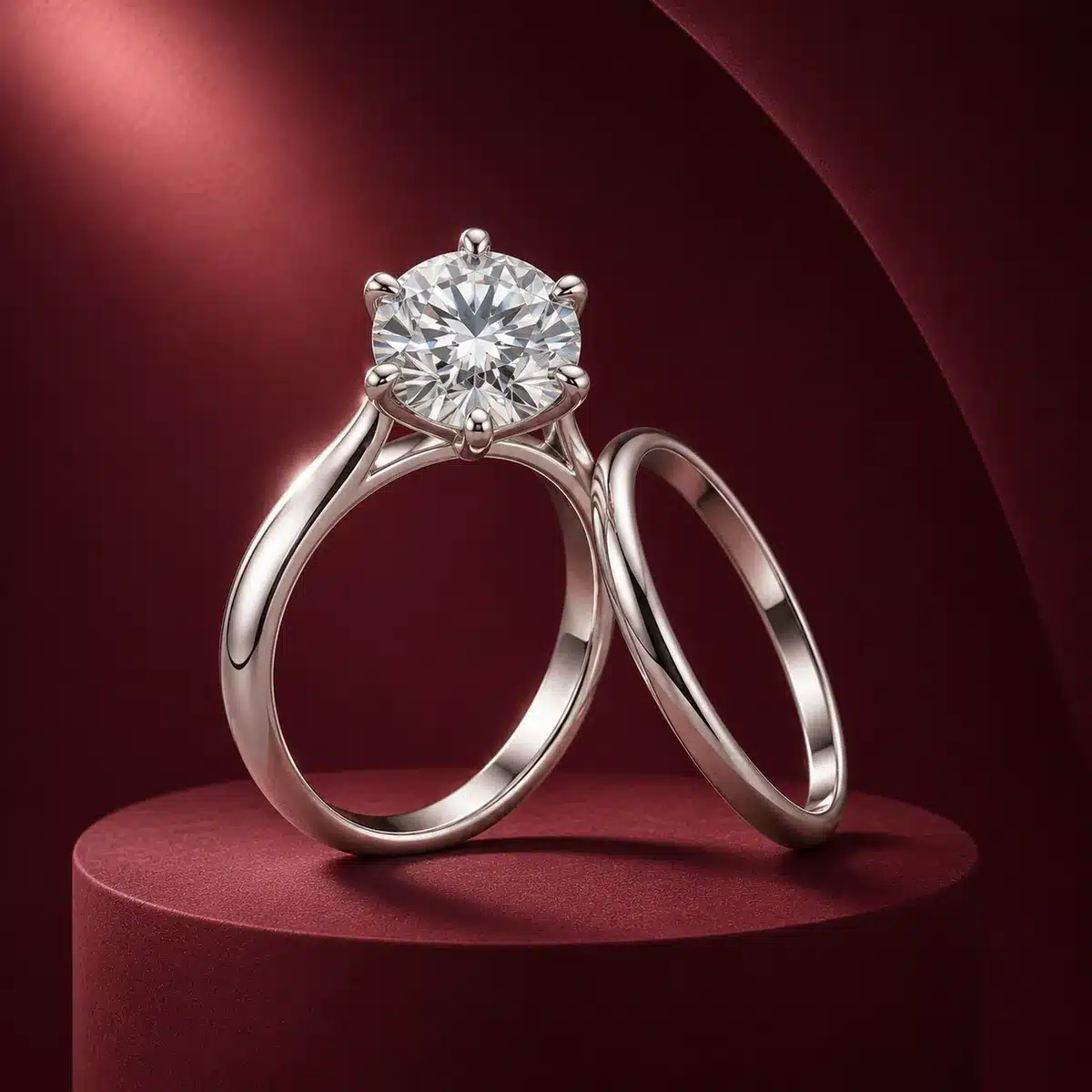
Lab-grown diamonds are a sound choice for an engagement ring. They are diamond, with the same hardness and durability as mined stones, and they cost much less for the same size and grades. Choose the ring as one object: a shape you love, a well-cut center stone with a report you have looked up, a setting matched to how the ring will be worn, and a metal chosen for wear and for how it makes the stone look.
The main decisions at a glance
Are lab-grown diamonds good for engagement rings?
Yes. A lab-grown diamond is diamond: 10 on the Mohs hardness scale, with the same optical and physical properties as a mined diamond, so it suits daily wear for decades. In the US, the FTC Jewelry Guides define a diamond by what it is, not where it came from, and require a lab-grown diamond to be described with a qualifier such as “laboratory-grown” or “laboratory-created”.
The differences that count are origin, price and resale. Many couples choose lab-grown to get a larger or better-cut stone, or to put more of the budget into the setting. Three hesitations come up often:
- “Will people think it is fake?” It is diamond, not a simulant. Telling a lab-grown from a mined diamond takes laboratory instruments.
- Resale. Lab-grown resale value is limited. Buy it to wear.
- Meaning. Some people want a mined stone. That is a personal choice, and both are honest choices when described correctly.
See lab-grown vs natural for engagement rings.
Start with the shape
Swipe the table to see more →
| Shape | Look | Watch for |
|---|---|---|
| Round | Classic, the most sparkle | About the same per carat as fancy shapes in lab-grown |
| Oval | Elongated, looks larger for its weight | The bow-tie, judged on video |
| Emerald | Long step-cut facets, calm and elegant | Shows inclusions and color more |
| Cushion | Soft corners, vintage feel | Wide variation in faceting and depth |
| Pear, marquise | Distinctive, lengthens the finger | The points need protection |
| Radiant | Brilliant sparkle in a rectangle | Depth; some are cut deep |
Elongated shapes look larger on the hand than a round of the same weight. See round vs oval vs emerald vs cushion.
Choose the center stone
Look up the report first. Enter the number on the laboratory’s own website and check the measurements, grades and comments. IGI and NGTC give full color and clarity grades. GIA has given lab-grown diamonds a Premium or Standard assessment instead of letter grades since October 1, 2025. See how to read a report.
Then cut. Cut decides how bright the stone is and how large it faces up. On rounds, the cut grade is the best single guide. On fancy shapes, look at the length-to-width ratio, depth and the bow-tie on video.
Then color and clarity, in the setting you will use. GIA notes that stones of H or better look colorless in platinum or white gold, and that J–K can look acceptable in yellow or rose gold. Most SI stones are eye-clean, but each needs checking, and step cuts need higher clarity. Judge on video in normal light.
Know whether it was treated after growth. GIA has reported that about 80% of the CVD lab-grown diamonds it received since 2020 had been HPHT-treated after growth to improve color. That is legitimate when disclosed. If you want an as-grown stone, the report has to say so; on IGI reports the comment reads “As Grown – No indication of post-growth treatment”.
See the 4Cs guide.
Match the setting to daily life
Four prongs show the most diamond; six prongs add security; a bezel protects the edge best; a low head snags less. A person who works with their hands is better served by a lower, sturdier design. Pointed shapes need V-prongs on the points. Check how the engagement ring will sit next to a wedding band before you choose the height. See ring settings explained.
Choose the metal
14K gold is harder and costs less; 18K gold has a richer color; platinum is dense, naturally white and heavier. White gold is usually rhodium-plated and needs replating over time. A white head on a yellow or rose band keeps a near-colorless stone looking white. See best metal for engagement rings.
Budget for the finished ring
Count the stone, setting, metal, side stones and any custom work together. With lab-grown, the stone takes a smaller share of the total than with a mined stone, so the setting and metal matter more to the final price. Protect cut quality and the setting’s strength first. See the engagement ring budget guide.
A buying plan in eight steps
- 1. Set the total budgetInclude stone, setting, metal, side stones and sizingWhat to keep: The budget range
- 2. Choose the lookSolitaire, halo, hidden halo, three-stone, bezelWhat to keep: Two or three references with notes
- 3. Choose the shapeCompare shapes on video at similar weightsWhat to keep: Shape and ratio range
- 4. Choose the stoneCut first, then color and clarity for the metalWhat to keep: The report number, looked up
- 5. Choose metal and settingKarat or platinum; head height; prongsWhat to keep: The setting specification
- 6. Get the size rightMeasure more than once (see below)What to keep: The ring size
- 7. ApproveThe stone on video; the CAD if customWhat to keep: The approval
- 8. Inspect on deliveryReport match, prongs, finish, sizeWhat to keep: Acceptance, or the issues with photos
For a custom ring, see custom vs ready-made.
Getting the ring size right
Fingers change size with temperature and time of day. Measure more than once, at the end of the day, with a proper ring sizer rather than string or paper. A wide band fits tighter than a narrow one, so size the design you are buying. Check whether it can be resized later: full-eternity bands and some pavé and tension designs are hard or impossible to resize.
What the documents should say
The report, invoice and any appraisal should all describe the center stone as laboratory-grown, with the report number. If the ring has small side stones, the invoice should say whether they are lab-grown or natural too. Keep the report and invoice together for insurance.
Care
- Clean with warm water, mild soap and a soft brush.
- Have the prongs checked about once a year, more often if the ring is worn for manual work.
- Take the ring off for heavy work, the gym and harsh chemicals.
- Replate white gold when it starts to look yellowish.
The engagement ring and the wedding band
Decide early whether the wedding band should sit flush. A tall head or some halos leave a gap, which a contoured band can close. Look at a CAD view or photo of both rings together before approving.
Engagement ring questions
Are lab-grown diamonds good for engagement rings?
Yes. They are diamond, just as durable, and cost much less for the same size and grades.
Should I choose carat or cut first?
Cut first. A well-cut smaller stone often looks as large as a poorly cut bigger one, and brighter.
What specification suits most engagement rings?
An Excellent or Ideal cut, G–H color (lower in yellow gold), eye-clean clarity, and a report you have looked up.
Can every engagement ring be resized?
No. Most solitaires can, but full-eternity bands and some pavé designs are hard or impossible to resize.
Find your ring, ready-made or custom
Browse NUVU’s lab-grown diamond engagement rings, or send the shape, size range, metal and ring size you have in mind for a custom design. NUVU can arrange IGI, GIA or NGTC reports for center stones. Send your requirements, or message us on WhatsApp / WeChat at +86 19118403930.
Sources
More guides on this topic

11+ years supporting global clients with lab-grown diamond product consultation and market analysis.
About NUVU. NUVU is the international brand of New Perspective Superhard Materials Co., Ltd. in Zhecheng, Henan, China. We grow HPHT lab-grown diamonds in-house and cut, polish and match stones in our own workshop.
Related Guides
Engagement ring checklist
Choose a lab-grown diamond engagement ring in five decisions: shape, setting, budget, metal and certificate.
Read more →CustomDesign your ring
Design your own lab-grown diamond ring: choose the shape, setting, metal and size, send a reference photo, and…
Read more →Education4Cs guide
The 4Cs for lab-grown diamonds in one page: which cut, color, clarity and carat to choose for your shape and metal…
Read more →