 Get a Quote
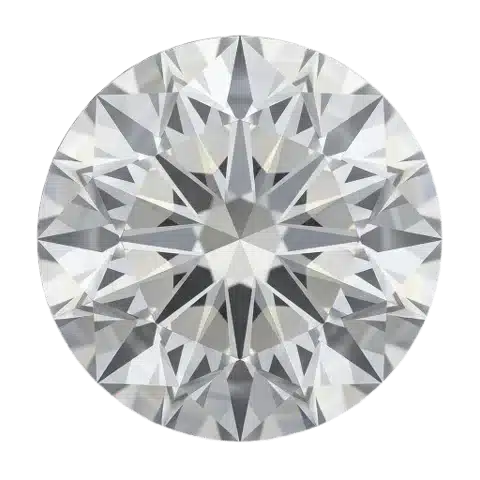 Loose lab-grown diamonds10 shapes · IGI, GIA or NGTC reports
Lab-Grown vs Natural Diamonds for Engagement Rings: Which One Makes More Sense?
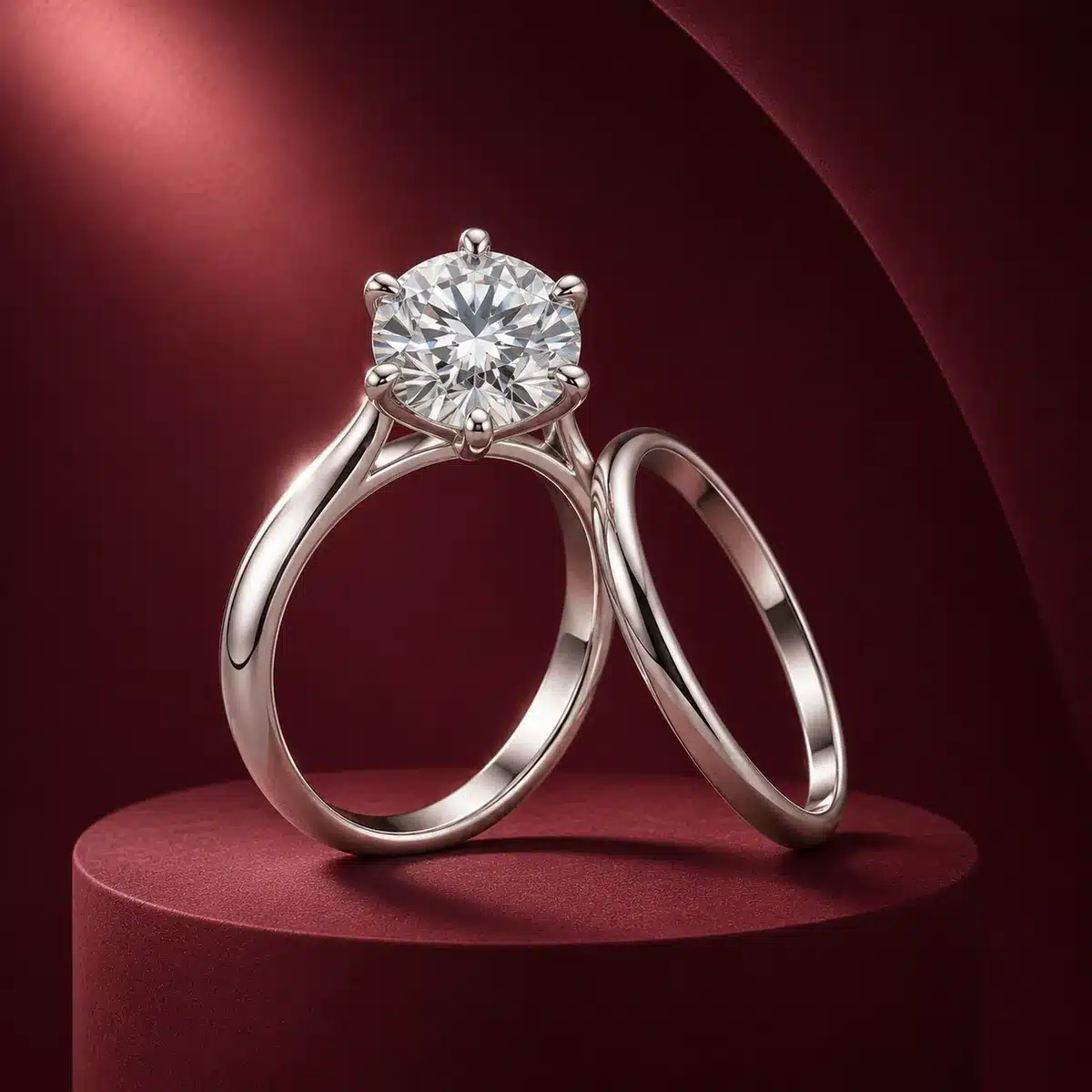
- Side by side
- When lab-grown makes more sense
- When natural makes more sense
- Budget and stone size
- Durability and daily wear
- Symbolism and meaning
- Environmental and ethical claims
- Quality points that apply to both
- Disclosure: how to read origin language
- Price over time
- How to decide
- Lab-grown or natural: common questions
- Compare lab-grown options for your ring
Put a lab-grown and a mined diamond of the same shape and grades side by side on a table, and nobody at the table can tell which is which. A laboratory can, with instruments. The difference that shows up in daily life is on the receipt: for the same size and grades, the lab-grown stone costs much less, and it resells for much less too.
Both are diamonds with the same hardness, brilliance and durability, so both make excellent engagement rings. Lab-grown makes more sense if you want a larger or higher-quality stone for your budget, or more room for the setting. Natural makes more sense if mined origin, rarity or resale value are important to you. Neither is “better” in daily wear. The choice is about budget, meaning and expectations.
Side by side
When lab-grown makes more sense
- You want a larger center stone or a higher color and clarity for the same budget.
- You want to put more into the setting: platinum, a hidden halo, three-stone or custom design.
- You will wear it, not resell it.
- You prefer a clearly documented production origin.
When natural makes more sense
- Mined origin and geological rarity are important to you or your family.
- You expect some resale or long-term value, while knowing resale is usually well below the purchase price.
- You prefer a traditional story for the ring.
Budget and stone size
For the same spend, lab-grown often lets you move up significantly in carat, or keep the size and choose a better cut, color and clarity. A natural stone that is smaller can still feel right if origin matters more than size. Whichever you choose, count the setting in the budget. See the engagement ring budget guide.
Durability and daily wear
Both rate 10 on the Mohs scale and have the same toughness. Both can chip if struck hard at a point or edge, so a protective setting is just as useful on either. Care is the same.
Symbolism and meaning
A diamond’s meaning comes from the promise, not from where the carbon formed. Some couples value the billion-year story of a mined stone. Others value lab-grown for its price, clear production origin, or because they want a larger stone. Talk it through together; both are honest choices when disclosed clearly.
Environmental and ethical claims
Be careful with broad claims on either side. Lab-grown production uses significant energy, and its footprint depends on the energy source and process. Mined diamonds vary by mine and supply chain. The FTC Green Guides (16 CFR Part 260) warn that broad, unqualified claims such as “eco-friendly” are difficult to substantiate, and in the EU, Directive 2024/825 has banned generic environmental claims of that kind since September 27, 2026 unless they are backed by recognized excellent environmental performance. Look for specific, verifiable statements rather than labels. See sustainability claims.
Quality points that apply to both
- Cut first. It decides brightness and face-up size.
- Color and clarity in context. Step cuts show more; yellow gold hides warmth.
- Shape. Same considerations for both origins.
- Reports. For lab-grown: look the report up, and check the comments for growth method (HPHT or CVD) and post-growth treatment. GIA has reported that about 80% of the CVD stones it received since 2020 had been HPHT-treated after growth; on IGI reports an untreated stone carries the comment “As Grown – No indication of post-growth treatment”. Since October 2025 GIA describes lab-grown stones as Premium or Standard instead of D–Z color and clarity grades; IGI still gives full 4Cs grades.
Disclosure: how to read origin language
Under the FTC Jewelry Guides (16 CFR Part 23), a lab-grown diamond must be identified with a clear qualifier such as “laboratory-grown,” “laboratory-created” or “[manufacturer name]-created.” Terms like “synthetic” are also used. Be wary of vague terms like “cultured” without a clear qualifier, or listings that say only “diamond” without stating origin. Reports and invoices should state the origin clearly.
Price over time
Lab-grown diamond prices have fallen considerably as production expanded. Edahn Golan’s wholesale data, reported by JCK in July 2026, showed lab-grown wholesale prices down 26% across 2025 and 13% year on year in the second quarter of 2026, with some signs of stabilizing. That is good for buying, but it is also why lab-grown resale value is limited. Natural diamond prices move too, and resale is usually well below the retail price. Buy either to wear.
How to decide
- Set a total budget for the finished ring.
- Decide what comes first for you: size and quality, origin, or resale.
- Compare a lab-grown and a natural option with the same shape and similar cut.
- Look at both in video, in the setting you want.
- Choose the one you would be happiest to wear every day.
Lab-grown or natural: common questions
Is a lab-grown diamond a diamond?
Yes: chemically, physically and optically the same material. Under the FTC Jewelry Guides it must be sold with a qualifier such as “laboratory-grown”, and not described as natural.
Can anyone tell a lab-grown diamond from a natural one?
Not by eye. A laboratory with specialized equipment can.
Do lab-grown diamonds hold their value?
Resale value is limited. Buy one to wear.
Is a lab-grown engagement ring less meaningful?
Meaning comes from the commitment. Many couples choose lab-grown deliberately.
Compare lab-grown options for your ring
Send the shape, size range and budget you are comparing against, and we will suggest lab-grown stones to put side by side with it. NUVU can arrange IGI, GIA or NGTC reports, and every stone is described as laboratory-grown on the invoice. Send your requirements or message us on WhatsApp / WeChat at +86 19118403930.
Sources
- FTC Jewelry Guides (16 CFR Part 23)
- FTC Green Guides (16 CFR Part 260)
- Baker McKenzie: EU green claims rules apply from 27 September 2026
- GIA: Updated laboratory-grown diamond services (Aug 2025)
- GIA Gems & Gemology: Laboratory-grown diamonds, an update on identification (2024)
- JCK: Lab-grown diamond prices show signs of stabilizing (July 2026)

11+ years supporting global clients with lab-grown diamond product consultation and market analysis.
About NUVU. NUVU is the international brand of New Perspective Superhard Materials Co., Ltd. in Zhecheng, Henan, China. We grow HPHT lab-grown diamonds in-house and cut, polish and match stones in our own workshop.
Related Guides
Lab vs natural comparison
Lab-grown vs natural diamonds compared on six points: what they are, how they look, price, resale, how to tell them…
Read more →Engagement ringsHow to choose an engagement ring
How to choose a lab-grown diamond engagement ring: are they a good choice, choosing the center stone, shape, setting…
Read more →ShopEngagement rings
Lab-grown diamond engagement rings in solitaire, halo, hidden halo, three-stone and vintage styles.
Read more →