 Loose lab-grown diamonds10 shapes · IGI, GIA or NGTC reports
Engagement Ring Checklist: 5 Decisions for a Lab-Grown Diamond Ring
Five decisions make an engagement ring. Make them in this order and the rest falls into place. Each step links to a detailed guide.
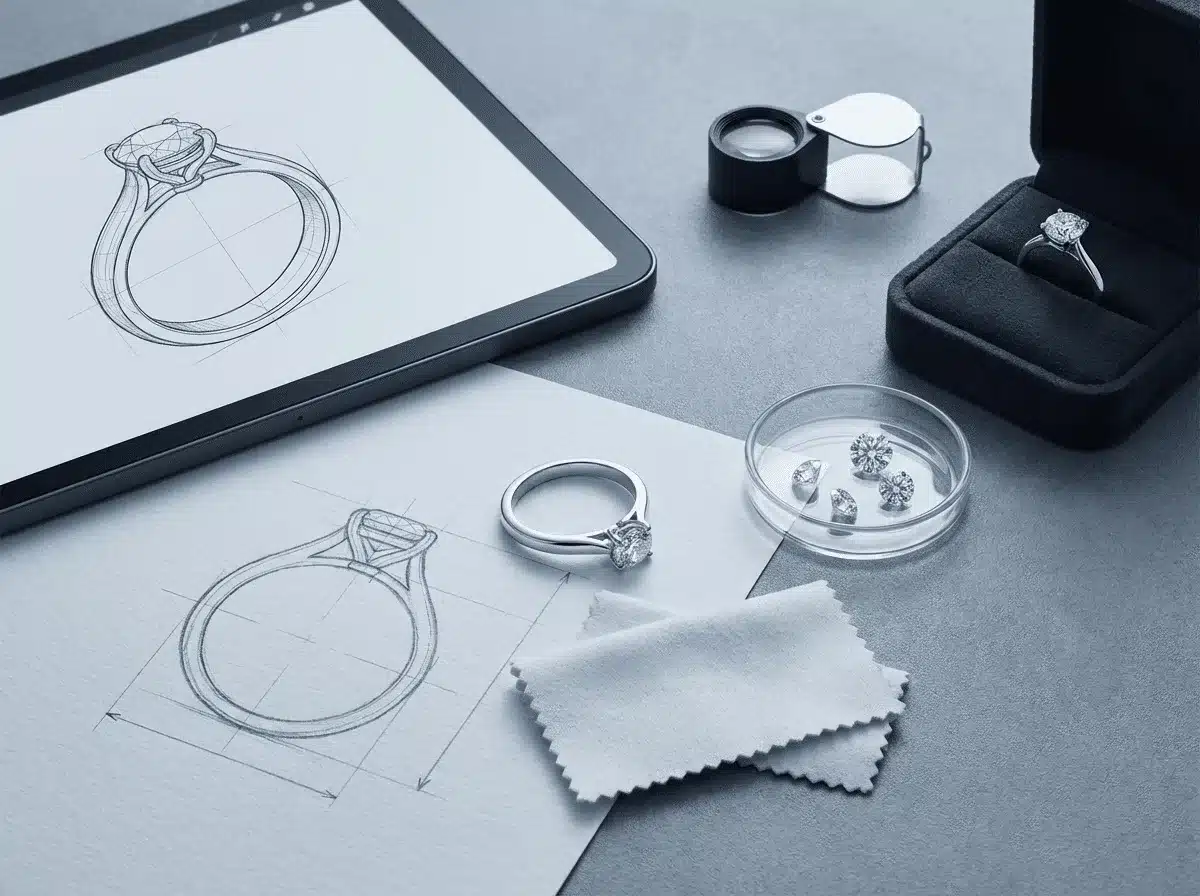
The Five Decisions
1. Pick the Shape
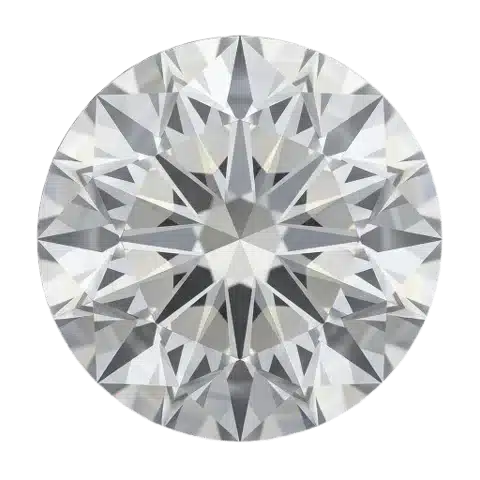
Round gives the most sparkle and suits every setting. Oval, pear and marquise look bigger for the carat and lengthen the finger. Emerald and Asscher give a clean, step-cut look but need higher clarity.
Round vs oval vs emerald vs cushion →All shapes →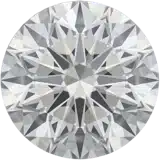 Round
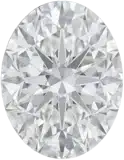 Oval
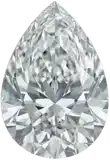 Pear
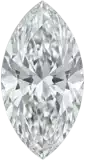 Marquise
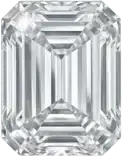 Emerald
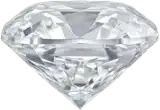 Asscher
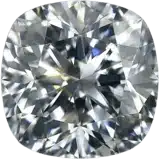 Cushion
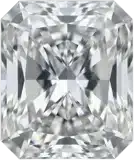 Radiant
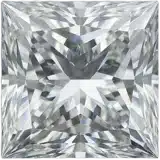 Princess
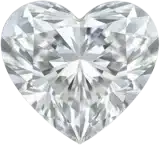 Heart
2. Choose the Setting
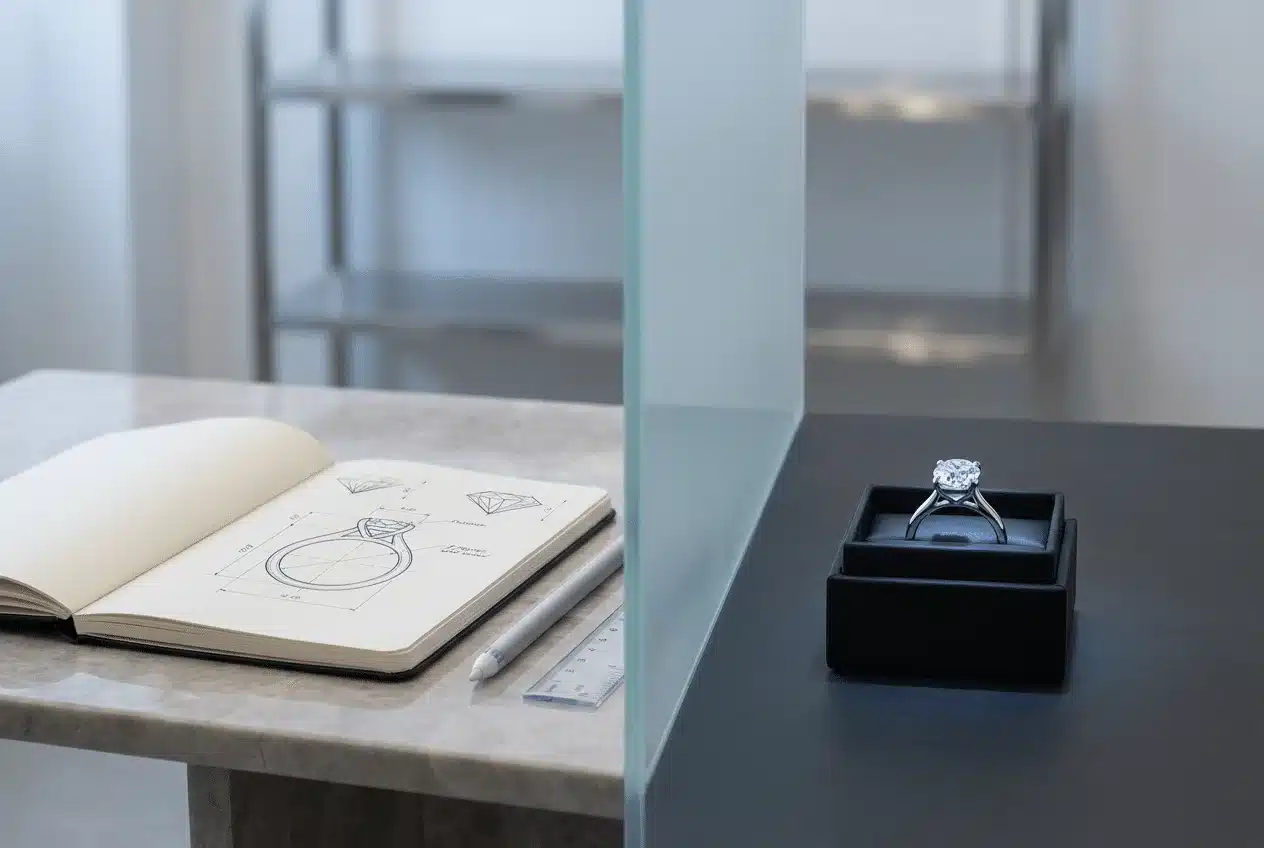
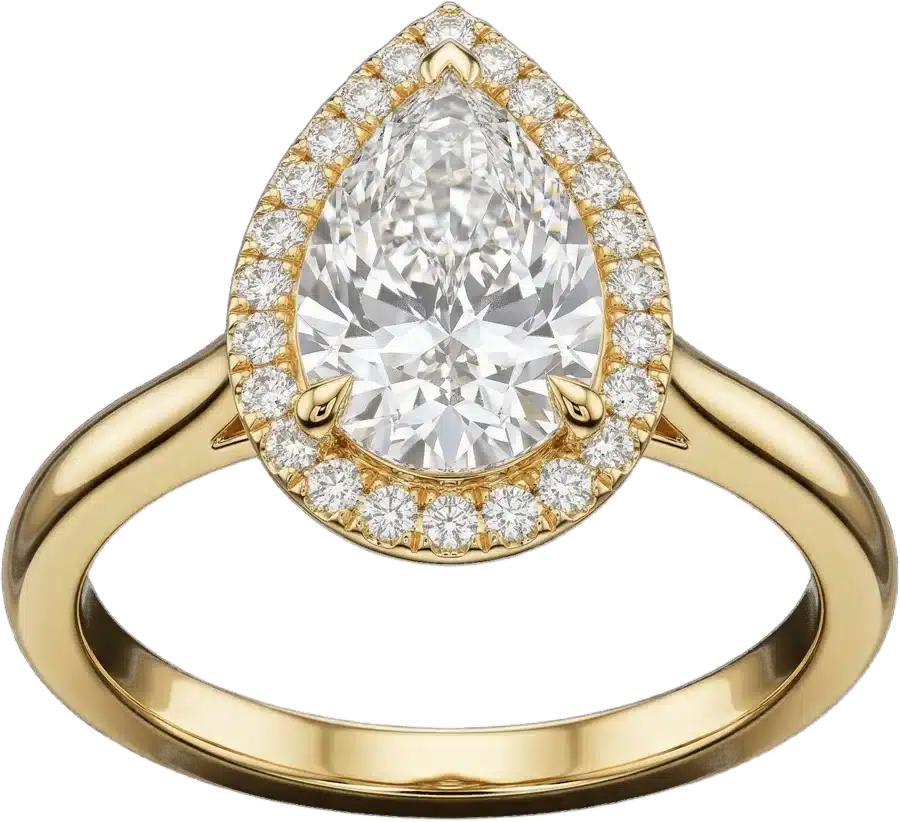
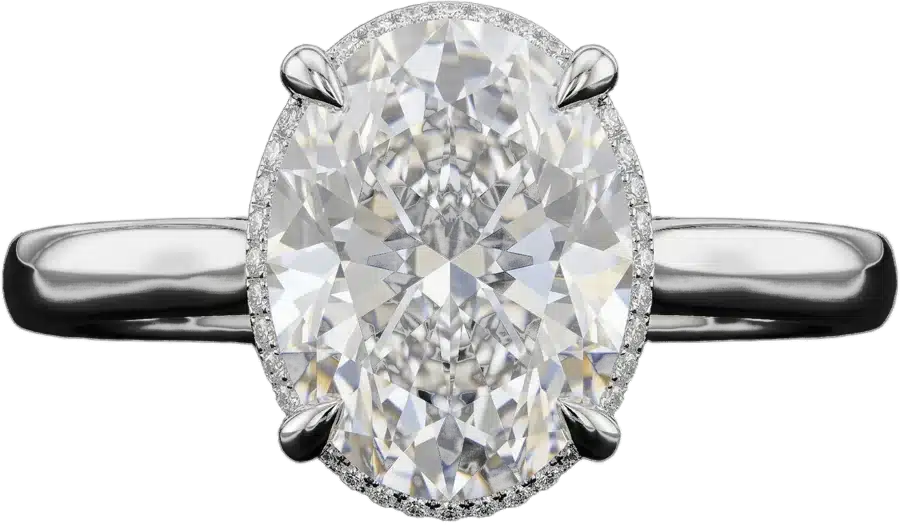
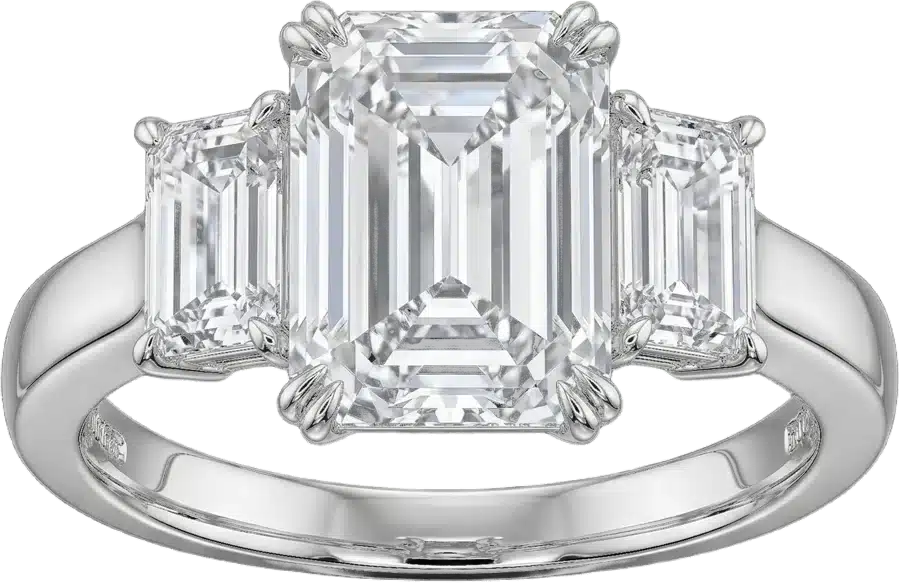
A solitaire keeps attention on the center stone. A halo makes it look larger. A hidden halo adds sparkle from the side only. Three-stone adds width and meaning.
Ring settings explained →Hidden halo rings →Three-stone rings →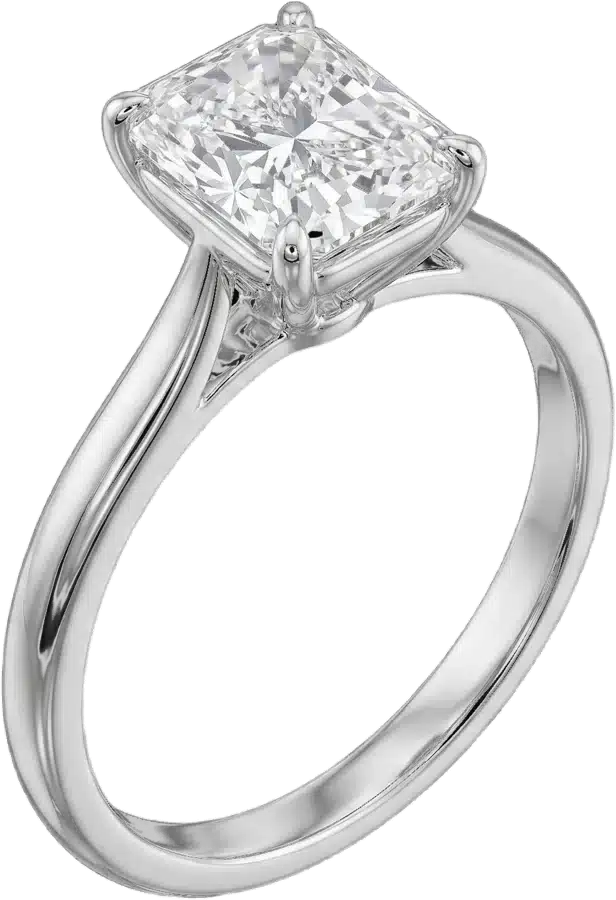
3. Set the Budget Split
Decide how much goes to the center stone and how much to the setting. With lab-grown diamonds, an excellent cut usually costs little extra, so put it first, then choose size.
Engagement ring budget guide →- CutExcellent costs little extra with lab-grownFirst
- SizeCarat and spread for your budgetThen
- SettingMetal, design and side stonesThen
- Color and clarityOnly as high as looks clean in your metal and shapeJust enough
4. Choose the Metal
Platinum and white gold keep a white look; yellow and rose gold warm the stone and let you choose a lower color grade. Platinum is heavier and wears differently from gold.
Best metal for engagement rings →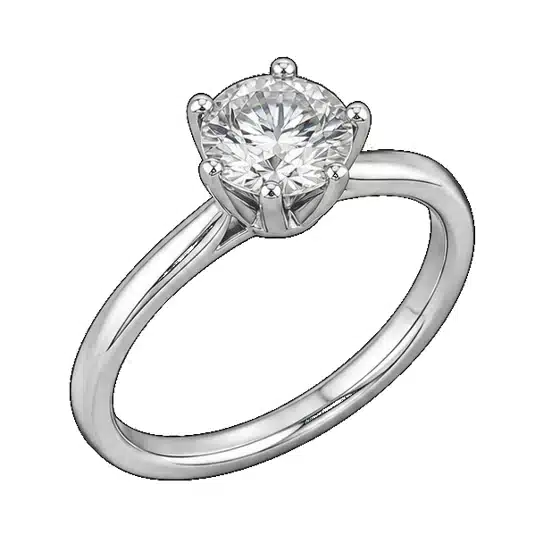
White gold keeps a white look around the diamond.
5. Check the Certificate
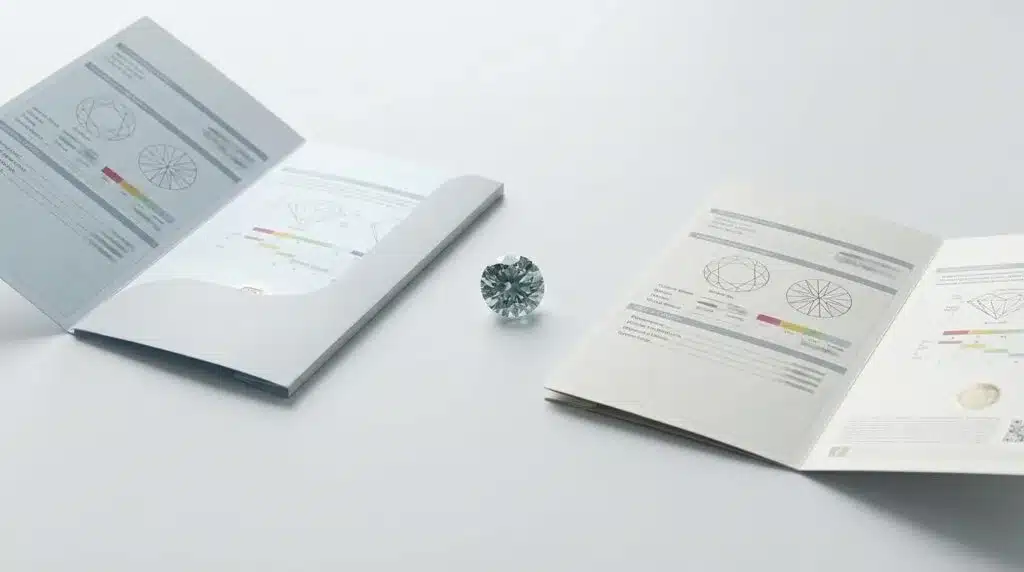
Ask for an IGI, GIA or NGTC report on the center stone, look the number up online and match it to the stone’s measurements.
How lab diamond certification works →The Complete Guide
For the full walkthrough of choosing the stone and setting together, read How to Choose a Lab-Grown Diamond Engagement Ring: Stone and Setting Together.
Also useful