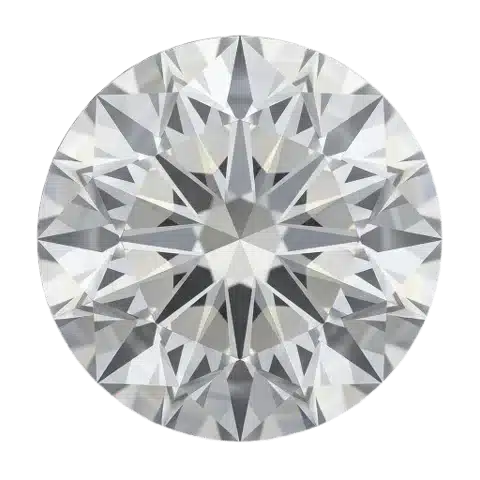
 Loose lab-grown diamonds10 shapes · IGI, GIA or NGTC reports
Why NUVU Chooses Lab-Grown Diamonds
Lab-grown diamonds are diamonds, grown instead of mined. We chose them because buyers get the same stone with a traceable origin and more of the budget left for cut, size and design. Here is what that choice improves, what it still costs in energy, and what we can document.
Our Position
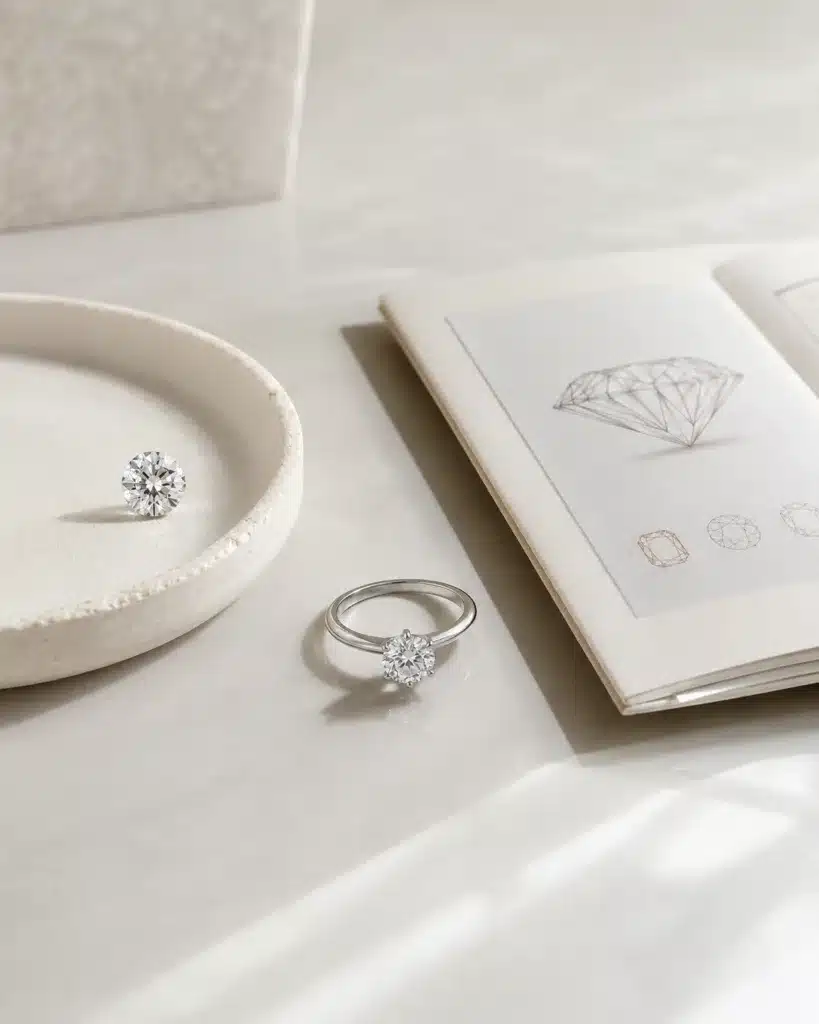
Lab-grown diamonds have the same hardness, density and refractive index as mined diamonds. Under the US FTC Jewelry Guides they are diamonds, and they must be described as laboratory-grown. What changes is the supply chain behind the stone: a known production site and a short chain from growth to polished stone, instead of a mine.
That is the honest case for lab-grown. It is not “impact-free”, and we do not sell it that way.
What Lab-Grown Diamonds Change, and What They Still Use
What lab-grown diamonds change
No mining
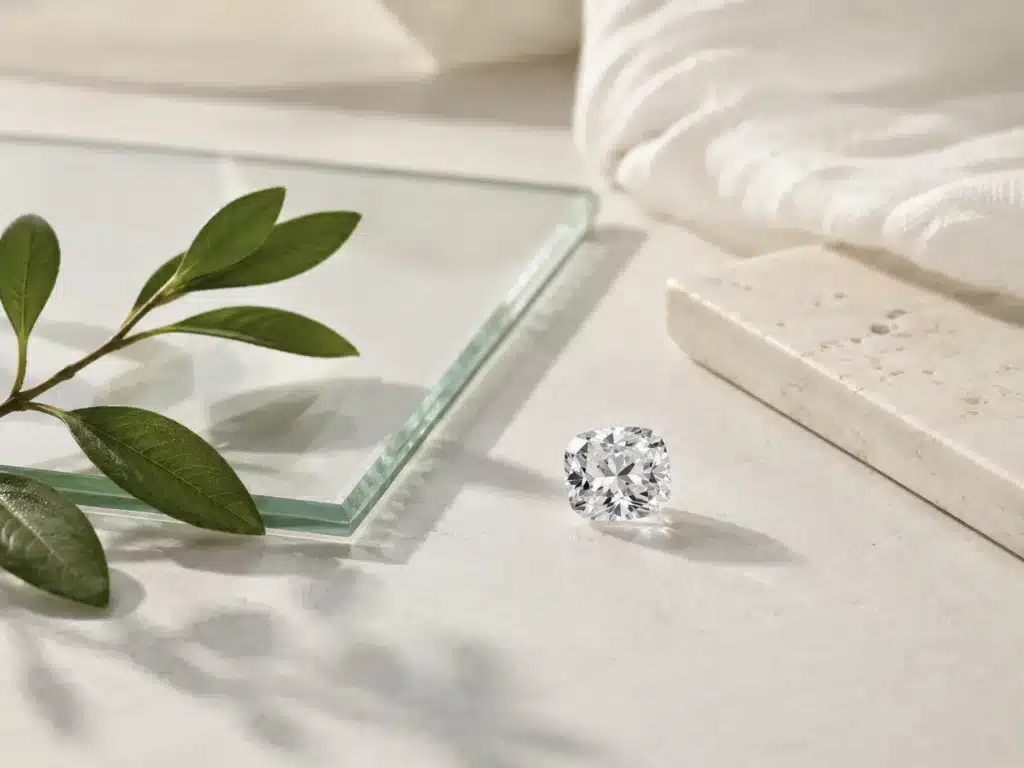
Lab-grown diamonds do not require open-pit, underground or marine mining. There is no mine site, no ore to move and no mining community involved.
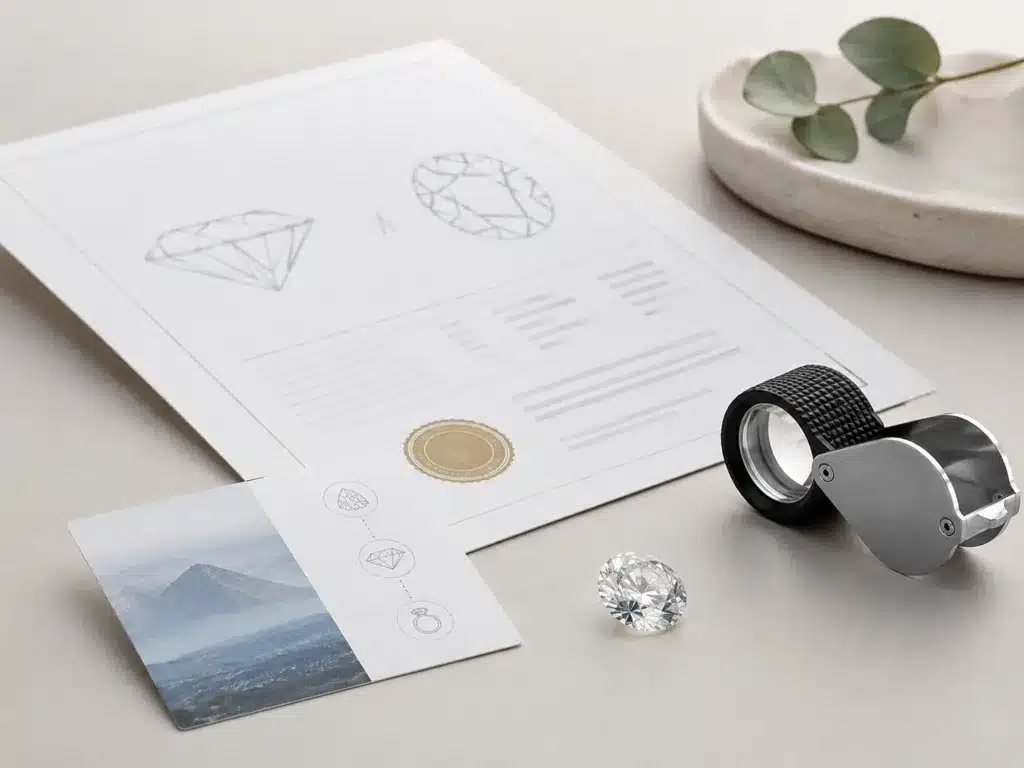
Known origin
Every NUVU stone comes from a known growth facility. HPHT stones are grown in Zhecheng, Henan; CVD stones come from qualified growers. Grading reports state that the stone is laboratory-grown.
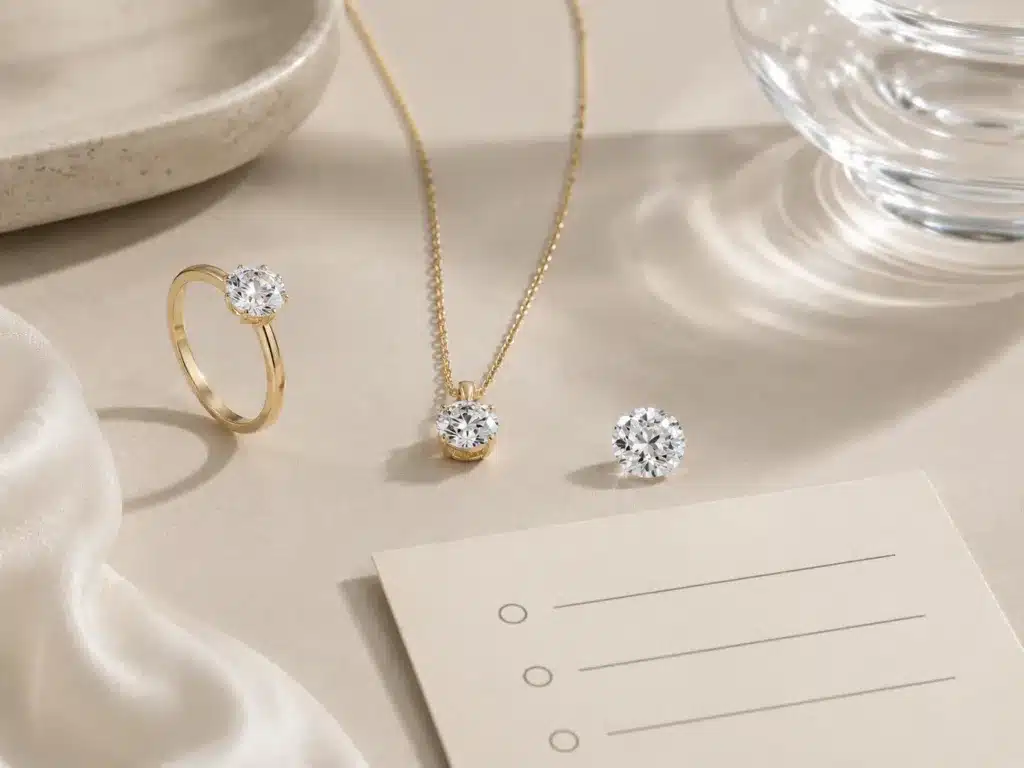
Same diamond quality
Same crystal, same hardness, same sparkle when cut well. A grading lab grades a lab-grown diamond on the same color and clarity scales used for mined stones (GIA now uses its own Premium and Standard assessment for colorless lab-grown stones).
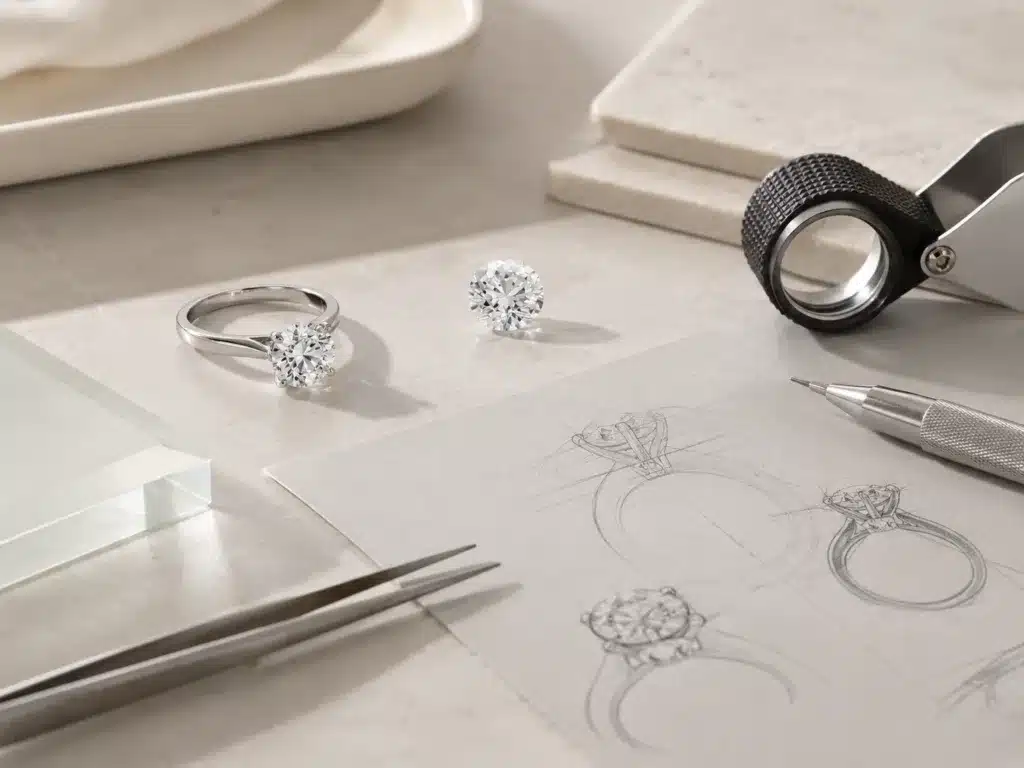
Budget for what shows
Lab-grown diamonds usually cost far less than mined stones of the same size and grade, so buyers can put more into cut quality, size or a custom setting.
What they still use
Growing a diamond takes a lot of electricity, high-pressure presses or vacuum reactors, and cutting, polishing and shipping like any diamond. The carbon footprint of a lab-grown diamond depends mainly on where that electricity comes from.
China’s electricity mix, first half of 2025. Source: Ember, 2025
- Which facility
- Which year
- Which energy source
- What was measured
Be wary of any seller, including us, who uses those words without that detail. Our guide to greenwashing in lab-grown diamond marketing covers the common claims.
What You Can Ask Us For
| You want | What we provide | |
|---|---|---|
| Proof the stone is lab-grown | IGI, GIA or NGTC report stating laboratory-grown | |
| Proof the stone is untreated | Proof of no post-growth treatment, on request | |
| Growth method | HPHT or CVD, noted for the stones in your order | |
| Origin of the stone | Growth facility region (Zhecheng for our HPHT stones) | |
| Recycled metal or energy claims | Ask; we only confirm claims we can document for your order |
How We Approach Sourcing and Review
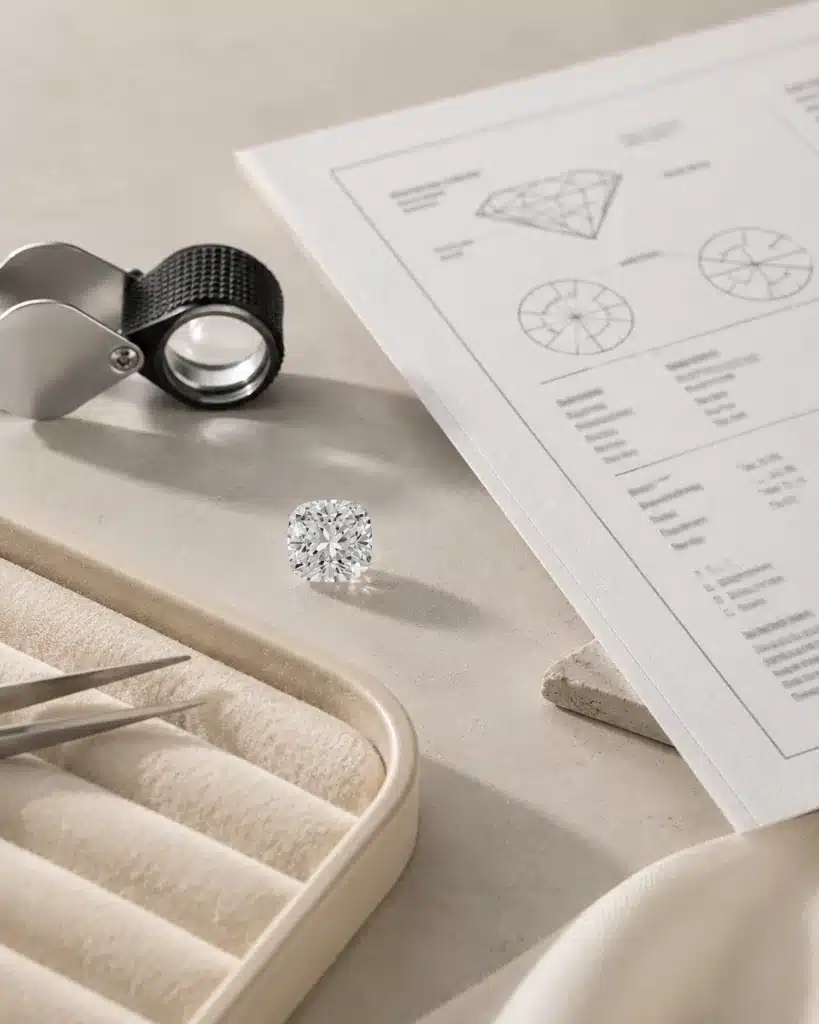
Certification and grading
Certified stones come with a report you can look up on the lab’s website.
HOW CERTIFICATION WORKS →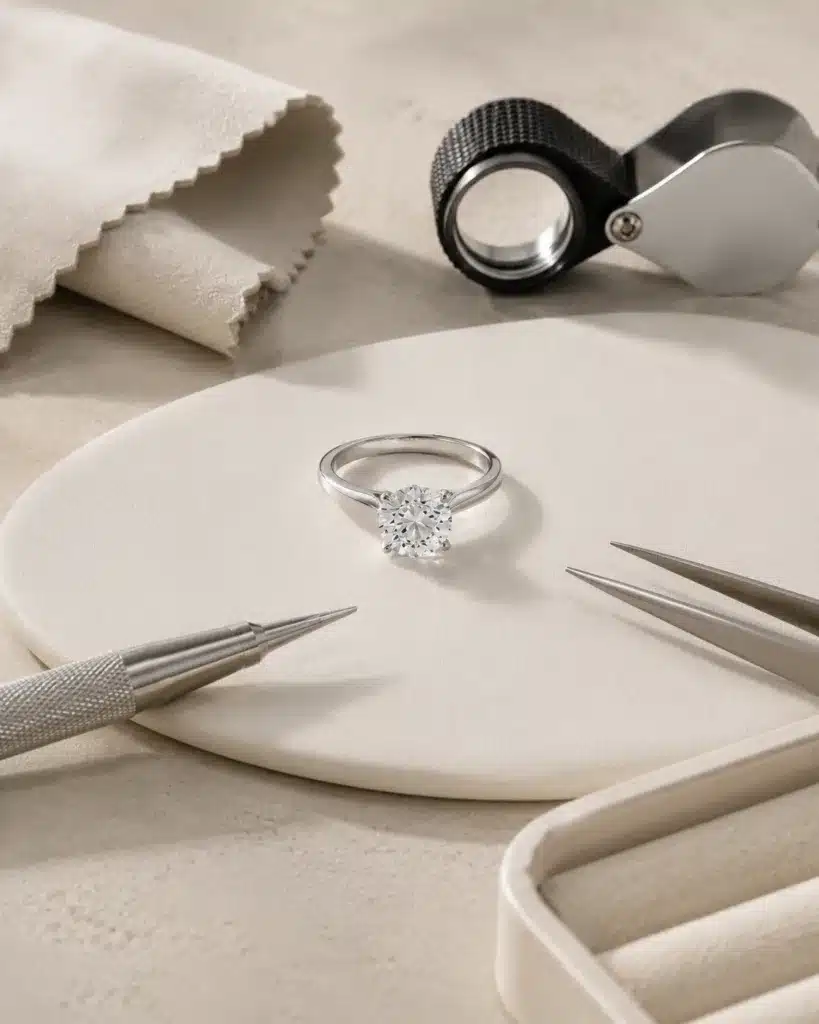
Quality control
Stones are checked against your order, and finished pieces are inspected before they ship.
CERTIFICATIONS & QC →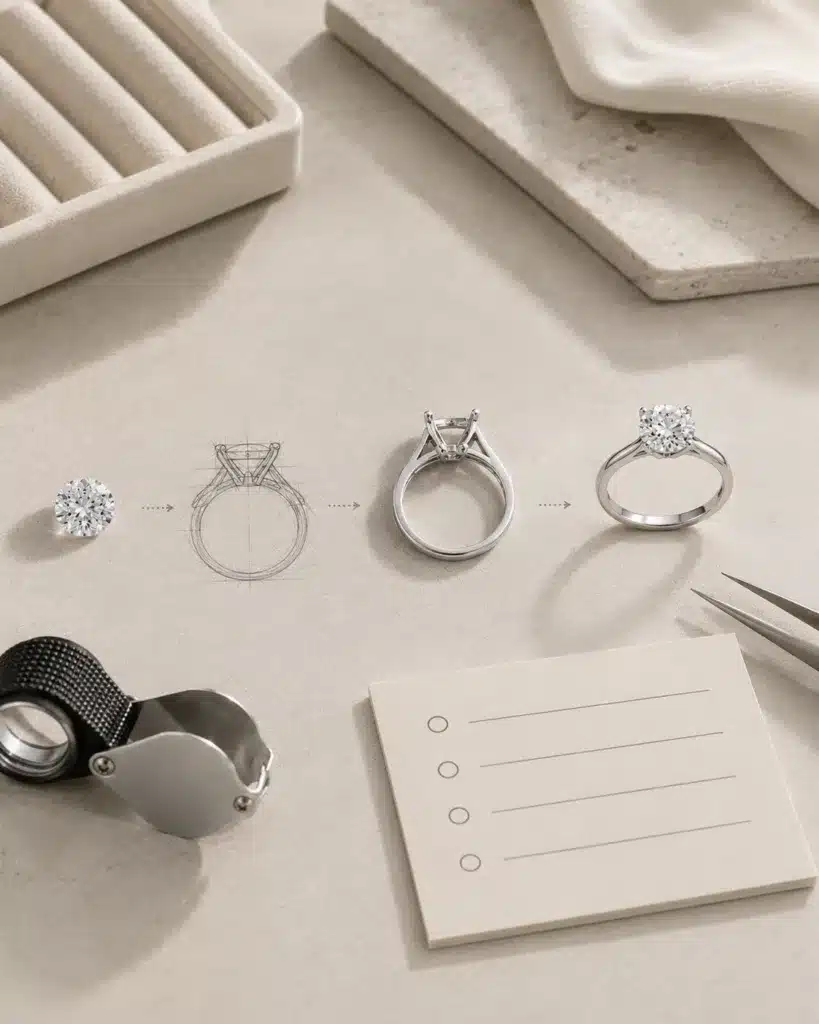
Process you can see
From growth to setting, the steps are shown on our factory tour.
FACTORY TOUR →Sustainability Questions
Are lab-grown diamonds better for the environment than mined diamonds?
Are lab-grown diamonds ethical?
Is your jewelry made with recycled gold?
How do I check a sustainability claim?
Learn More
Choose the Stone, Keep the Proof
Browse certified lab-grown diamonds, or start a custom piece with the documents your market needs.
Sources: FTC Jewelry Guides, 16 CFR Part 23 · FTC warning letters on diamond ad disclosures, 2019 · Ember Global Electricity Mid-Year Insights 2025