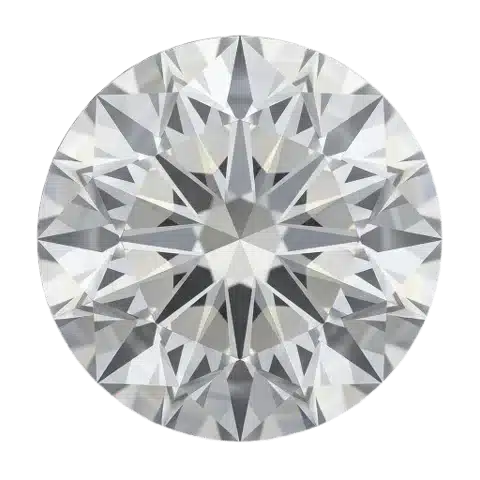
 Loose lab-grown diamonds10 shapes · IGI, GIA or NGTC reports
Lab-Grown vs Natural Diamonds
Same material, different origin, very different price. Here is how lab-grown and natural diamonds compare on the six points buyers ask about most.
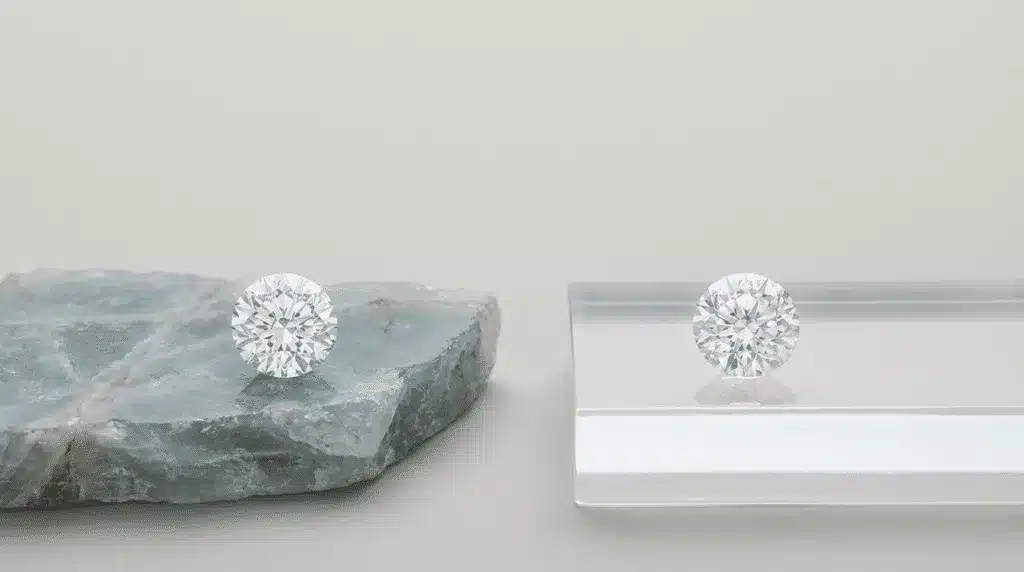
Same Diamond, Different Origin
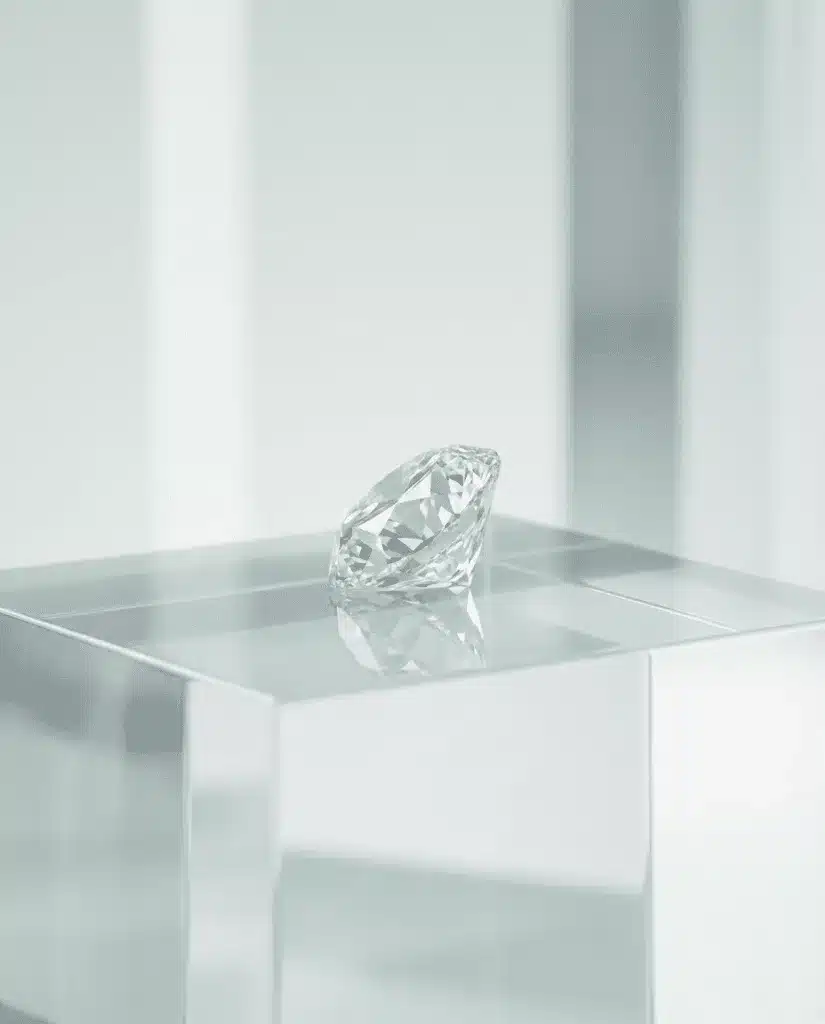
The only real difference is where the crystal grew. Everything you can measure on the stone itself is the same.
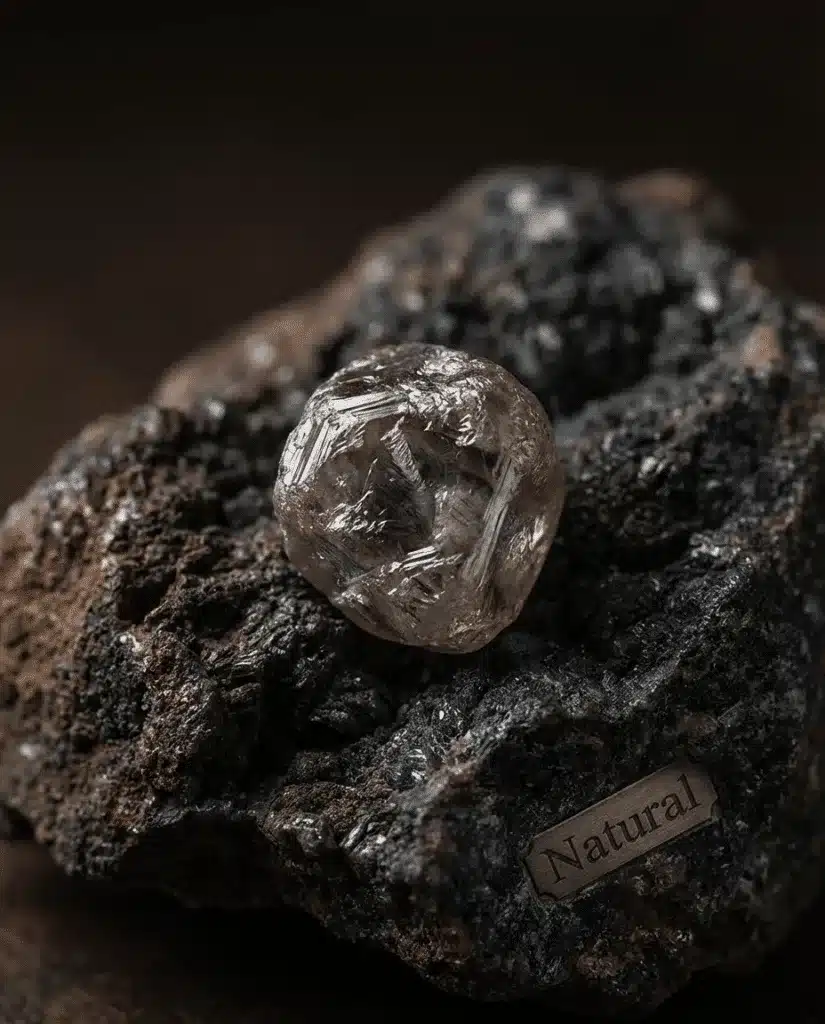
Formed in the earth
Over billions of years, deep underground, then mined.
What stays the same
Measured on the stone, both are diamond.
- MaterialCrystallized carbon
- Hardness10 Mohs
- Density≈ 3.52
- Refractive index2.42
- GradingSame 4Cs
Grown on a diamond seed
In weeks, by HPHT or CVD, in a known facility.
Side-by-Side Comparison
Seven points, natural vs lab-grown.
| Natural diamond | Lab-grown diamond | Read more | |
|---|---|---|---|
| What it is | Crystallized carbon formed in the earth over billions of years | Crystallized carbon grown on a diamond seed by HPHT or CVD in weeks | Full guide → |
| Hardness, density, refractive index | 10 Mohs · about 3.52 · 2.42 | 10 Mohs · about 3.52 · 2.42 | Real diamonds? → |
| Appearance | Graded on the same 4Cs; looks the same as lab-grown of the same grades | Graded on the same 4Cs; looks the same as natural of the same grades | Look different? → |
| Price | Much higher for the same size and grade | Usually a fraction of natural, and has fallen sharply in recent years | Price comparison → |
| Resale | Established resale market, usually well below retail | Very limited resale market | Resale value → |
| How to tell them apart | Lab testing; report says natural | Lab testing; report says laboratory-grown, often with a girdle inscription | Certification → |
| Environmental side | Requires mining | No mining; uses a lot of electricity | Sustainability → |
Are Lab-Grown Diamonds Real Diamonds?
Yes. A lab-grown diamond is carbon in the same cubic crystal structure as a mined diamond, with the same hardness, density and refractive index. The US FTC Jewelry Guides treat both as diamonds; the lab-grown one must carry a qualifier such as “laboratory-grown” or “lab-created” next to the word diamond.
Read more: Are lab-grown diamonds real? · Lab-grown vs moissanite vs CZ
Do They Look Different?
Not to the eye. A lab-grown and a natural diamond with the same cut, color and clarity look the same in normal wear. Differences show up only under lab instruments: growth patterns, trace elements and fluorescence or phosphorescence behavior.
Basic screening devices sold to jewelers often give a “pass / refer” result and need a lab for confirmation.
Read more: Do lab-grown diamonds look different?
Lab-Grown vs Natural Diamond Price
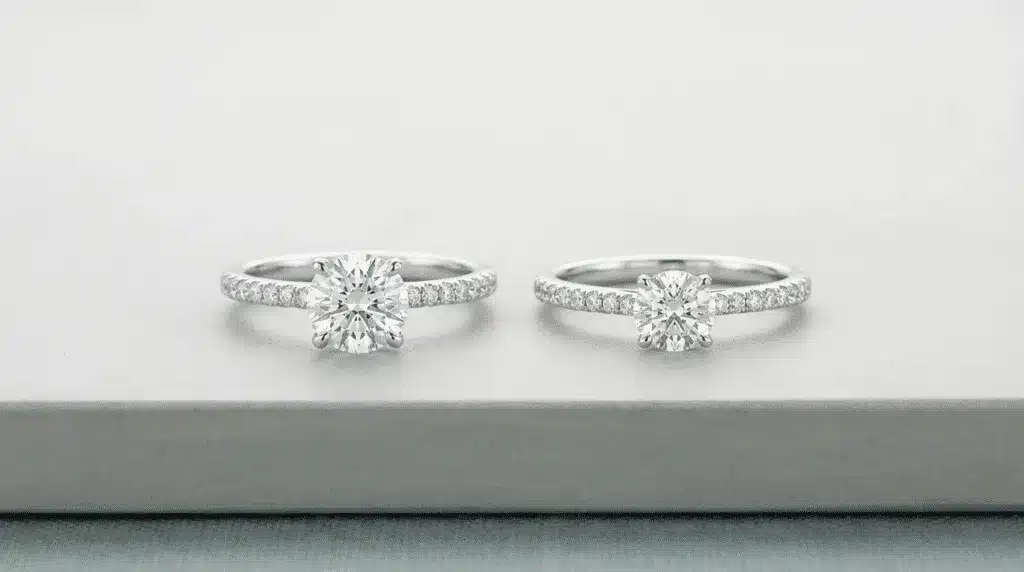
Lab-grown diamonds cost far less than natural diamonds of the same size and grade, and the gap has widened as production has scaled up, much of it in China.
Source: JCK, July 2026
- Same budget, more stone. Many buyers choose a larger or better-cut lab-grown diamond for the price of a smaller natural one.
- Prices keep moving. Compare current quotes rather than old price lists.
- Report and cut still drive price within lab-grown. Two 1 ct stones can differ widely in price.
Read more: Price comparison · Price guide
Resale Value
Natural diamonds have an established resale and trade-in market, though resale prices are usually well below what the buyer paid. Lab-grown diamonds have very little resale market: in a 2019 JCK survey, several large trade-in programs and secondary diamond buyers did not accept lab-grown stones.
Buy lab-grown for the piece itself, not as an investment.
Read more: Lab-grown vs natural resale value · Do lab-grown diamonds hold value?
Environmental Impact
Lab-grown diamonds avoid mining entirely. Growing them uses a lot of electricity, so their carbon footprint depends on the power source of the facility.
Neither option is impact-free; specific claims such as “carbon-neutral” need facility-level evidence.
Read more: Are lab-grown diamonds more sustainable? · Why NUVU chooses lab-grown
Which One Should You Choose?
Tick what matters to you.
Choose lab-grown if
you want…
Choose natural if
you want…
Both are diamonds. The decision comes down to what you value: size and quality for the money, or rarity and origin.
Tick what matters
Pick one or more points on the left and we show which option fits them.
Explore Lab DiamondsRead the Full Guides
Lab-Grown vs Natural Questions
Can a jeweler tell a lab-grown diamond from a natural one?
Why are lab-grown diamonds cheaper?
Do lab-grown diamonds last as long as natural ones?
Do lab-grown diamonds hold their value?
Find Your Lab-Grown Diamond
Browse certified loose stones, or start a custom ring and we match the diamond to your setting and budget.
Sources: FTC Jewelry Guides, 16 CFR 23 · GIA G&G 2024 lab-grown update · JCK: lab-grown prices show signs of stabilizing (2026) · JCK: resale of lab-grown diamonds (2019)